 Zoneding Mining

Site Search
Search products, equipment and solution articles
整站搜索产品中心新闻中心
点击开始搜索
热门搜索
UltraForm-MXFlexiPoly-RNanoForm Z300EcoFab P200
Search products, equipment and solution articles
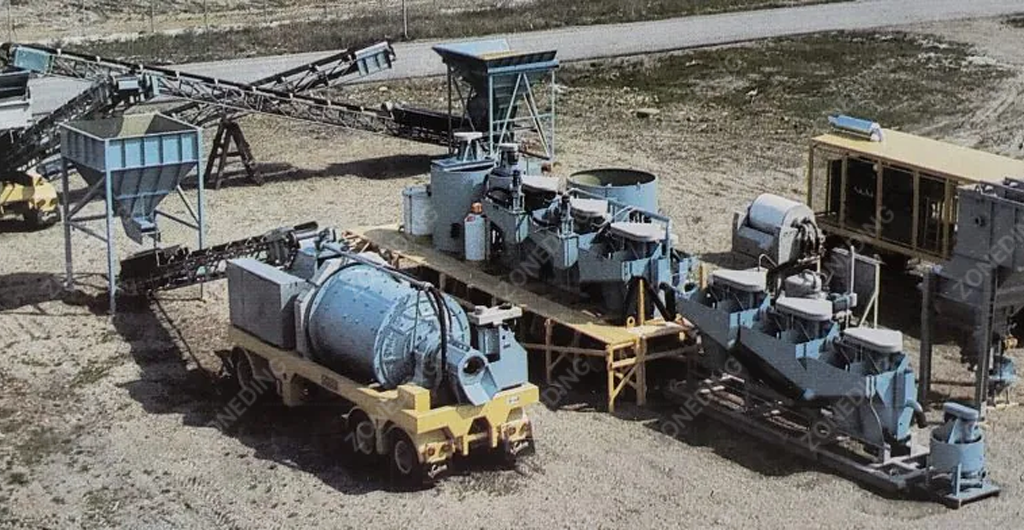
A gold modular processing plant is a pre-engineered mining system built in separate, portable sections. Instead of building a massive concrete factory on a mine site, these plants arrive as completed blocks. These blocks include the crushing, grinding, and separating equipment already mounted on steel frames or inside containers. You simply transport the modules to the site, connect them with pipes and belts, and start production. This method drastically reduces installation time and construction costs. ZONEDING specializes in these modular systems for miners who need a fast return on investment.
Last Updated: April 2026 | Estimated Reading Time: 25 Minutes
A gold modular processing plant is a “plug-and-play” mining facility composed of pre-fabricated machine modules. In a traditional plant, workers spend months pouring concrete and welding steel on-site. In a modular plant, ZONEDING builds every section in a controlled factory environment. Each module—such as the crushing station or the grinding unit—is tested before it leaves the factory. The machines are mounted on heavy-duty steel skids. This means the plant can be moved easily if the gold vein shifts to a different location.
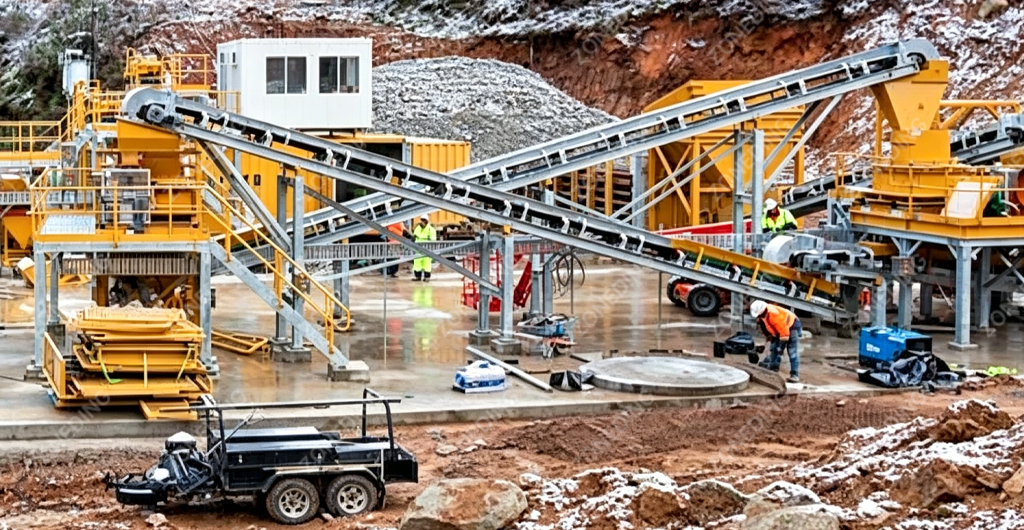
These plants are ideal for small to medium-scale gold mines. They provide the same professional efficiency as a large fixed plant but without the massive construction overhead. Modular designs allow for “scalable growth.” A miner can start with a basic 50 TPH (tons per hour) module. As the mine grows, the miner simply adds more modules to increase the daily output. ZONEDING uses high-strength carbon steel for the frames to ensure the plant survives the vibration of heavy machinery and the harsh conditions of remote mine sites.
The difference in setup and cost is significant. The following table compares the two approaches.
| Feature Check | Traditional Fixed Plant | Gold Modular Plant (ZONEDING) | Practical Benefit |
|---|---|---|---|
| Construction Time | 6-12 Months | 1-2 Months | You start producing gold faster |
| Site Preparation | Massive Concrete Work | Simple Level Ground/Pads | You save on construction labor |
| Mobility | Permanent / Fixed | Transportable / Relocatable | You move the plant as the ore moves |
| Testing | Tested after install | Pre-tested at factory | You avoid installation errors |
A gold modular plant works by moving raw ore through a sequence of specialized modules that crush, grind, and separate the gold. The process is a linear flow. Each module focuses on one specific task. The material moves from the coarsest state to the finest powder, and finally to a concentrated gold product. ZONEDING integrates these modules into a single synchronized circuit to ensure there are no bottlenecks.
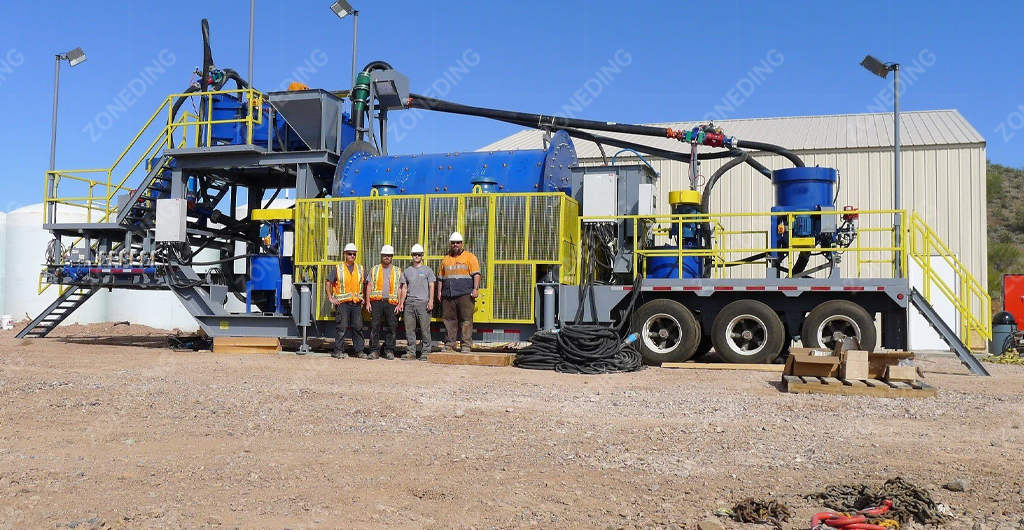
The process generally follows these four main stages:
Every modular plant includes a specific “kit” of machinery based on the ore type.
| Module Name | Key Hardware | Main Function | Value to You |
|---|---|---|---|
| Breaking Module | Jaw Crusher → Vibrating Screen | Size Reduction | Prepares ore for the mill |
| Grinding Module | Ball Mill → Hydrocyclone | Liberation | Frees the gold from the rock |
| Recovery Module | Centrifugal Concentrator → Table | Separation | Collects the heavy gold |
| Waste Module | Thickener → Filter Press | Dewatering | Recycles water, manages tailings |
The efficiency of a gold modular plant depends on the quality of the individual machines inside the modules. ZONEDING uses industrial-grade components designed for 24/7 operation. The most critical hardware includes the crushing and grinding units. Without a precise grind, the gold remains trapped in the rock and cannot be recovered.
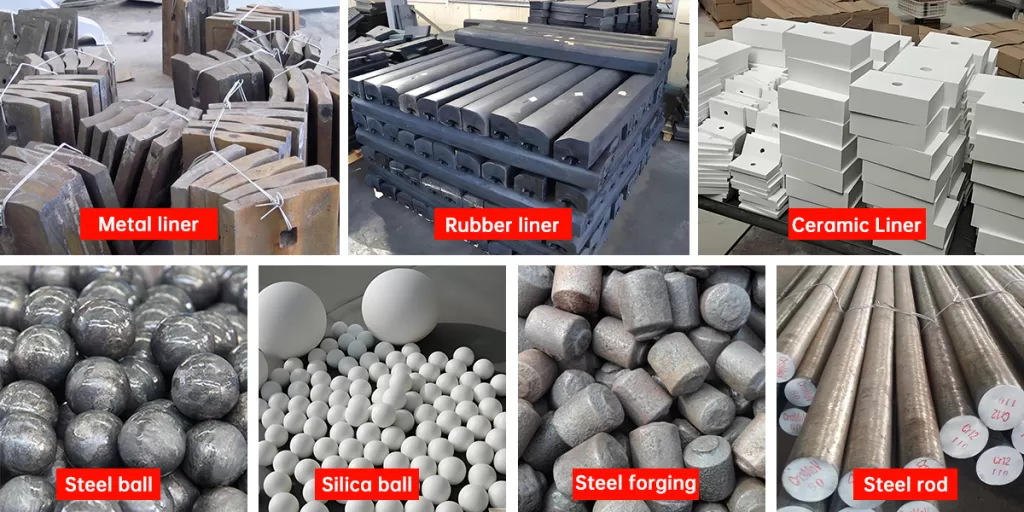
The crushing module typically uses a heavy-duty jaw crusher. This machine handles the toughest quartz and granite. Next, the grinding module employs a ball mill. This is the heart of the plant. For gold recovery, the plant uses a centrifugal concentrator. These machines spin at high speeds to force the heavy gold particles against the walls of the bowl. Finally, a shaking table is used for the “finishing” touch. The table separates the remaining fine gold from the black sands. ZONEDING ensures all these components are linked by standardized conveyor belts and piping, making the plant easy to maintain.
| Component | Maintenance Task | Frequency | Goal |
|---|---|---|---|
| Jaw Plates | Check for wear/cracks | Weekly | Maintain crushing gap |
| Ball Mill Liners | Measure thickness | Monthly | Prevent shell damage |
| Concentrator Bowls | Clean out sediment | Daily | Maximize gold capture |
| Conveyor Belts | Check tension/alignment | Weekly | Prevent material spills |
The choice between a modular and a fixed plant depends on the lifespan of the mine and the available budget. If you are operating a massive, century-long mine with a billion-ton reserve, a fixed concrete plant offers the lowest long-term cost per ton. However, for most modern mining projects, the modular approach is superior.
Modular plants offer “financial flexibility.” You can start with a small investment. Once the project proves its gold grade, you can reinvest profits into adding more modules. Fixed plants require the entire investment upfront. If the ore grade drops, you are left with a massive, useless concrete structure. a ZONEDING modular plant is an asset that can be sold or moved. If the mine closes, you can disassemble the modules, put them on trucks, and move them to a new site. This converts your plant from a “sunk cost” into a “movable asset.”
Matching a modular plant to your project requires accurate ore data. You must not buy a “standard” plant. Every gold deposit is different. Some gold is “free-milling” (easy to recover with gravity). Some gold is “refractory” (trapped in sulfide minerals and needs chemicals).
Consider these five factors before buying:
ZONEDING provides a comprehensive design service. We ask for a sample of your ore. Our engineers test the hardness and gold liberation. We then design a custom modular layout that matches your exact geology.
Modular mining is becoming smarter and greener in 2026. The focus is shifting toward “Zero-Waste” and “Low-Energy” processing.
ZONEDING is implementing “Smart-Logic” controllers in all new modular plants. These controllers automatically adjust the feed speed of the crusher based on the load of the ball mill. This prevents overflows and reduces energy waste by 15%.
A gold modular processing plant is the most efficient choice for junior miners and medium-scale operations. It replaces months of construction with weeks of assembly. These plants are scalable, movable, and pre-tested. To succeed, you must match the modules to your ore hardness and gold particle size. Avoid “generic” plants; choose a customized circuit that includes crushing, grinding, and high-efficiency gravity separation.
Your next step is a “Project Audit.” Determine your desired daily tonnage and collect 20kg of ore samples. Send these samples to ZONEDING. We will perform a liberation test and provide a modular plant layout and a cost estimate for your specific project.
Last Updated: April 2026
Confused between an HSI and VSI impact crusher? This guide breaks down the key differences in application, feed material, product shape (cubicity), and cost.
View details
Learn steps involved in making asphalt concrete, from selecting raw materials to the precise mixing process. Your comprehensive guide to asphalt production.
View details
Explore detailed insights into limonite's extraction, beneficiation, and treatment methods.Learn its roles as an iron ore & pigment source in modern industries.
View details
Everything you need to know about beryl. Learn the properties, discover how it's processed from raw stone to finished gem, and explore all its uses.
View details