 Zoneding Mining

Site Search
Search products, equipment and solution articles
整站搜索产品中心新闻中心
点击开始搜索
热门搜索
UltraForm-MXFlexiPoly-RNanoForm Z300EcoFab P200
Search products, equipment and solution articles
Construction waste management poses a significant challenge for modern demolition and infrastructure projects. Every year, massive volumes of concrete, bricks, and asphalt occupy limited landfill space. This traditional disposal method incurs high trucking costs and expensive landfill fees. However, the adoption of a Mobile Crusher for Construction Waste Recycling transforms these liabilities into valuable assets.
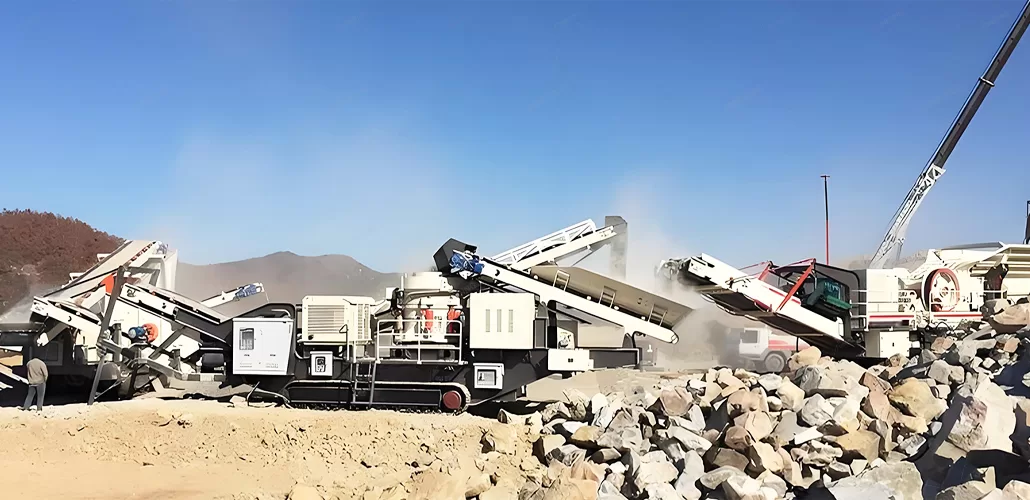
On-site recycling eliminates the need for waste transportation and provides immediate access to recycled aggregates. ZONEDING portable units are engineered for rapid deployment and ease of operation. This guide explores the most effective mobile solutions for 2025. It details how to select equipment that reduces operational expenses and increases project profitability. By processing debris directly at the source, contractors can achieve a more sustainable and cost-efficient business model.
Last Updated: March 2026 | Estimated Reading Time: 21 Minutes
Space and accessibility are the primary constraints in urban demolition environments. Permanent crushing facilities are often located far from city centers, leading to high fuel consumption for transport. A Mobile Crusher for Construction Waste Recycling solves this by fitting a complete production line onto a compact, mobile chassis. This allows the equipment to operate directly within confined job sites.
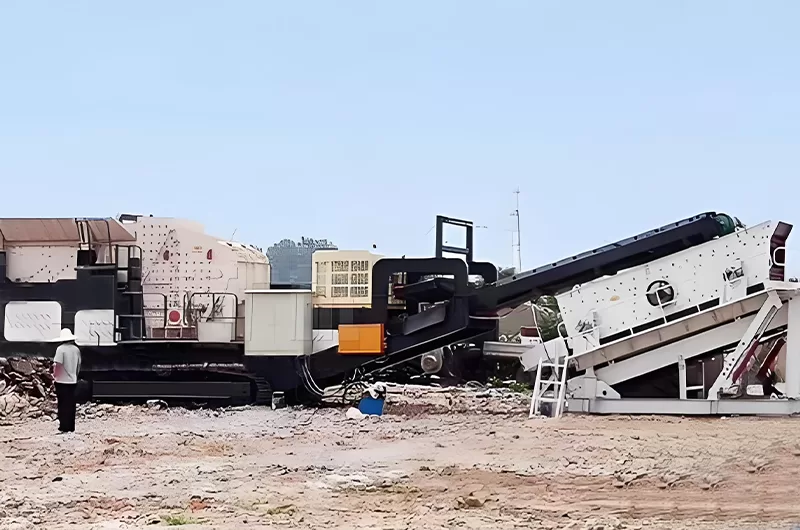
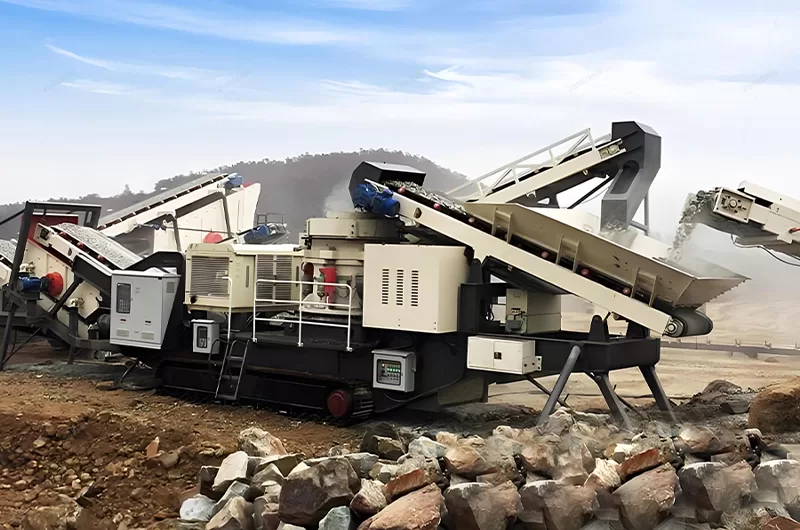
For cost-effective construction waste recycling, the ability to move the machine to the material is critical. Traditional fixed plants require permanent foundations and lengthy permit processes. In contrast, ZONEDING mobile units can begin production within 30 to 60 minutes of arrival. Since no concrete base is required, the site remains flexible. This agility allows contractors to secure smaller, high-margin projects that were previously logistically impossible.
Transporting rubble accounts for approximately 30% of total demolition costs. By recycling concrete on-site, those costs are effectively removed. The resulting crushed material serves as a high-quality sub-base for new roads or building foundations. This creates a circular economy where waste is reused immediately. ZONEDING technology helps operators reach a “zero-waste” goal while maximizing the value of every ton of debris.
| Fixed Recycling Plant | ZONEDING Mobile Crusher | Impact on Project |
|---|---|---|
| Setup Timeline | Months of construction | Under 1 hour |
| Waste Logistics | Mass trucking required | No trucking needed |
| Environmental Impact | High dust and transport noise | Targeted dust suppression |
| Site Requirements | Massive industrial footprint | Compact and integrated |
The presence of rebar (reinforcing steel) often complicates the recycling of structural concrete. Standard crushers can suffer damage if steel is not handled correctly. ZONEDING Mobile Crushing Plants are equipped with high-strength magnetic separators. These magnets automatically pull steel from the discharge belt. This ensures the final aggregate is clean and allows the operator to sell the scrap metal as a secondary revenue stream.
Choosing the correct chassis is a fundamental decision in equipment procurement. The two primary options are crawler tracks and wheeled trailers. The selection depends on the frequency of relocation and the terrain of the project sites.
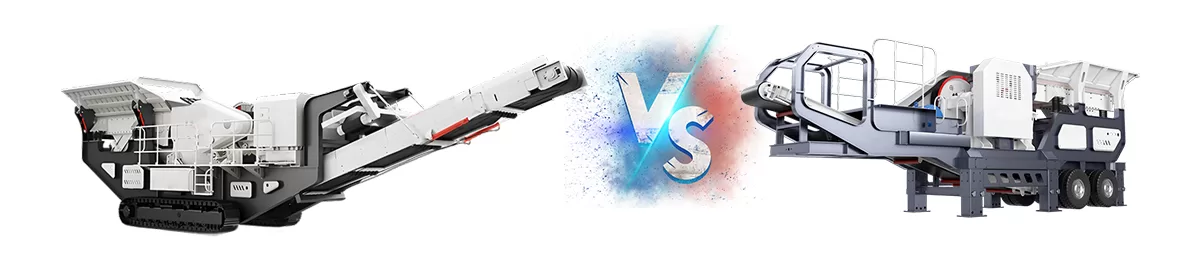
The Track Mobile Crusher is designed for maximum site maneuverability. Controlled by wireless remote, these units can “walk” alongside the material pile. This is essential for large-scale demolition where the rock pile moves daily. ZONEDING tracked units are capable of climbing 20-degree slopes. They operate efficiently on soft or uneven ground where wheeled vehicles might get stuck.
The Wheeled Mobile Crusher is built for regional mobility. This platform is essentially a heavy-duty trailer that can be towed by a standard truck at highway speeds. It is the ideal choice for contractors managing multiple projects across a city or region. While it requires hydraulic legs for stability during operation, it is the fastest option for moving between different cities.
Waste material is often more abrasive and unpredictable than natural virgin stone. Using the wrong crushing technology can lead to frequent maintenance and low product quality. Impact and jaw crushers are the most common choices for recycling.
| Waste Type | Recommended Crusher | Key Benefit |
|---|---|---|
| Reinforced Concrete | Impact Crusher | High rebar liberation rate. |
| Large Foundations | Jaw Crusher | Handles oversized feed sizes. |
| Asphalt Pavement | Impact Crusher | Maintains bitumen quality. |
| Mixed Brick/Debris | Impact Crusher | Produces uniform grain shape. |
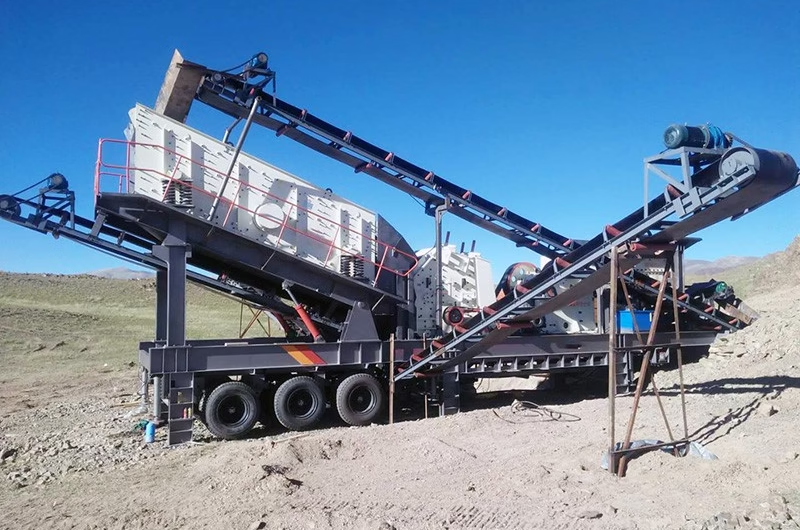
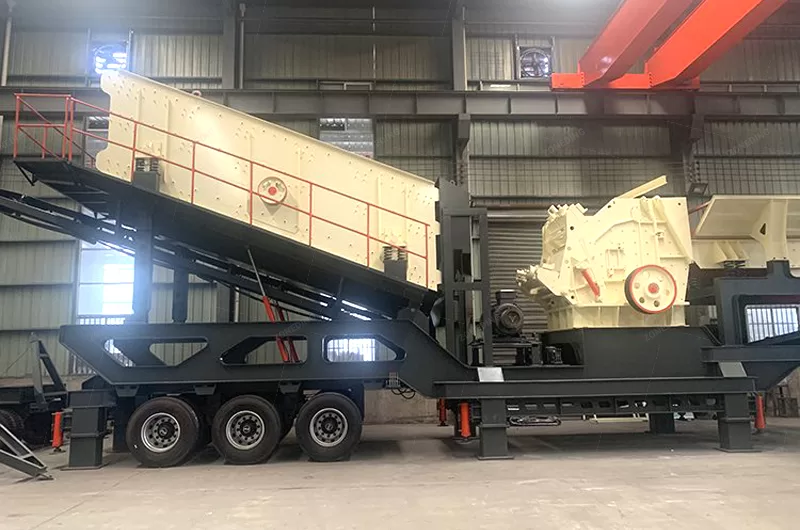
For the majority of construction recycling, the Impact Crusher is the most efficient. It features a large feed opening and a high reduction ratio. It can process a mixture of concrete, brick, and asphalt into a 0-40mm road base in a single pass. The high-speed impact breaks the bond between concrete and steel, which improves rebar recovery. ZONEDING mobile impactors utilize heavy-duty rotors that withstand the occasional impact of non-crushable materials like wood or plastic.
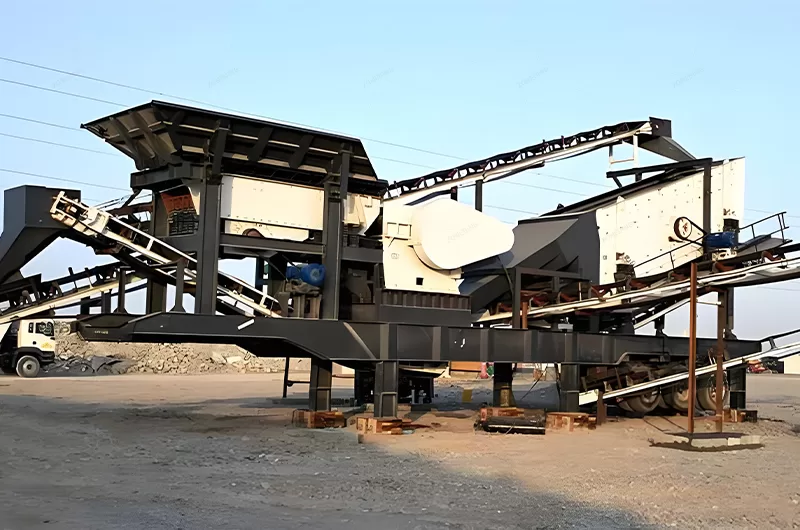
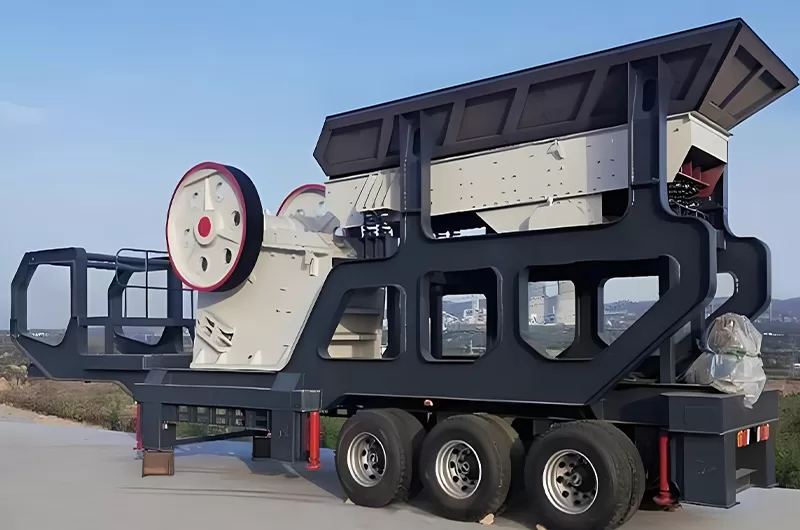
When dealing with massive concrete foundations or large flint stones, a Jaw Crusher is necessary. It uses compressive force to snap the hardest materials. While it produces a more elongated product than the impactor, it is virtually indestructible in heavy-duty applications. Many large recycling lines use a ZONEDING mobile jaw as a primary unit, followed by a mobile impactor for final shaping.
The profit of a recycling operation depends on the tonnage produced per hour relative to the cost of diesel and wear parts. A Mobile Crusher for Construction Waste Recycling must be operated efficiently to ensure a fast return on investment.
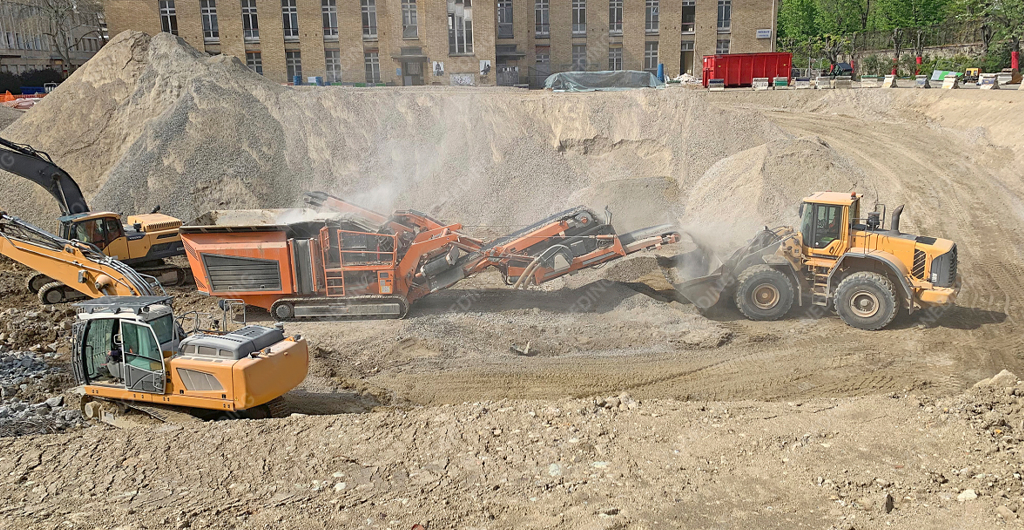
Efficiency starts with the excavator operator. A steady, consistent feed is far better than a “stop-and-start” approach. The machine should remain 80% full for the most efficient crushing. ZONEDING mobile units feature a load-sensing system that automatically adjusts the feeder speed based on the motor’s load. This prevents blockages and ensures the engine runs in its most fuel-efficient RPM range.
Producing multiple sizes of aggregate increases the market value of the output. By integrating a mobile screening unit, an operator can produce sand, gravel (10-20mm), and road base (20-40mm) simultaneously. This allows the contractor to sell different materials to different buyers. ZONEDING mobile plants can be equipped with “return-conveyors” to re-process any oversized material automatically.
Mobile machines are high-vibration environments. Neglecting maintenance leads to expensive downtime.
A standard ZONEDING mobile plant consumes between 20 and 45 liters of diesel per hour depending on the material. When compared to the cost of running ten dump trucks for a whole day, the savings are immense. At a production rate of 150 tons per hour, the cost per ton of recycled aggregate is often less than $2.00, while new aggregate can cost over $15.00 per ton.
A mobile crusher represents a major capital investment. Performance reliability and after-sales support are as important as the purchase price. When selecting a manufacturer, focus on technical depth and direct factory support.
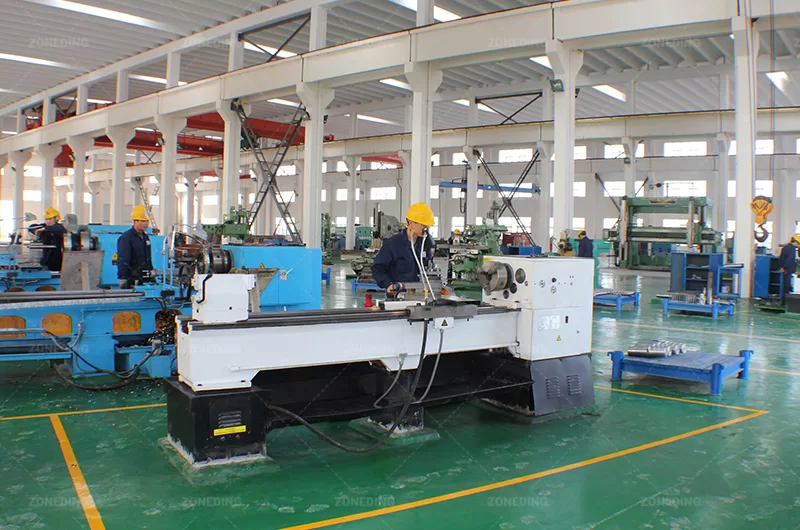
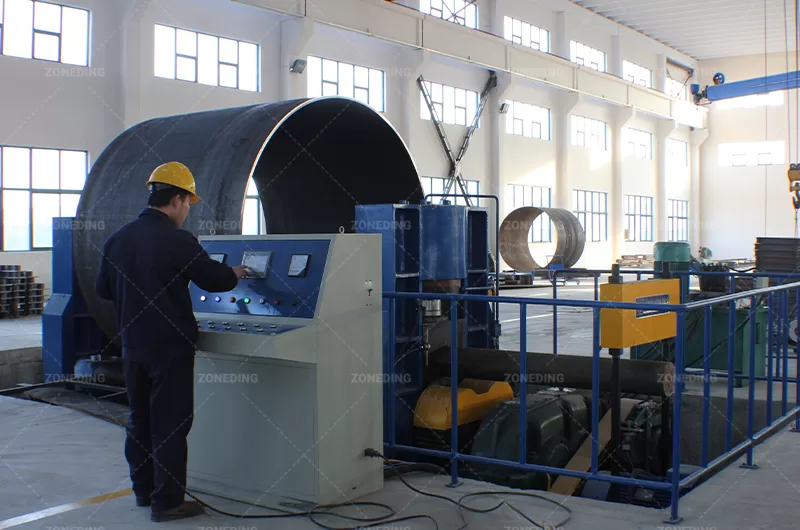
ZONEDING MACHINE is a specialized Chinese manufacturer of high-performance mobile crushing and screening equipment. Since 2004, the company has focused on providing B2B clients with rugged, reliable recycling solutions. As a direct manufacturer, ZONEDING provides a level of expertise and price-competitiveness that trading companies cannot match.
The company’s 8,000 square meter facility produces over 500 units annually, ranging from primary jaw crushers to advanced mobile impactors. Every ZONEDING machine is built with world-standard components from brands like Cummins, Schneider, and ABB. Buying from ZONEDING means access to a full lifecycle of service, from site design and equipment training to global spare parts support.
The recycling industry is rapidly evolving toward digital and sustainable technologies. The latest Mobile Crusher for Construction Waste Recycling models are more integrated and intelligent than their predecessors.
Successfully implementing a Mobile Crusher for Construction Waste Recycling requires a shift in mindset. Waste must be viewed as a raw material. By processing this material on-site, a company gains a massive competitive advantage. Operational costs drop, project timelines speed up, and the company’s environmental profile improves.
Start your recycling project today.
Contact ZONEDING today for a free site consultation and a custom mobile crusher proposal. Let’s turn construction waste into a highly profitable resource.
Last Updated: February 2026
Explore the main types of vibrating screens. Learn how to choose the right screening equipment for mining & aggregate project. ZONEDING is your expert supplier.
View details
What is silver ore? Where is it found? How is it mined? This guide will answer with details on types, applications, deposits, and how to process it. Read Now!
View details
Demystify VSI crushers! This blog explains inner workings of vertical shaft impact crushers, the components, and the role in producing high-quality aggregates.
View details
Dive into the ultimate comparison of impact and hammer crushers. Understand key differences in design, operation, andscenarios for maximum crushing efficiency.
View details