 Zoneding Mining

Site Search
Search products, equipment and solution articles
整站搜索产品中心新闻中心
点击开始搜索
热门搜索
UltraForm-MXFlexiPoly-RNanoForm Z300EcoFab P200
Search products, equipment and solution articles
If you are looking to recover gold from hard rock ore, the most important step is grinding. You have to break the rock down until the tiny gold particles are free. If you do not grind fine enough, the gold stays trapped inside the rock and you lose money. Today, two machines dominate the market: the modern Ball Mill and the traditional Wet Pan Mill.
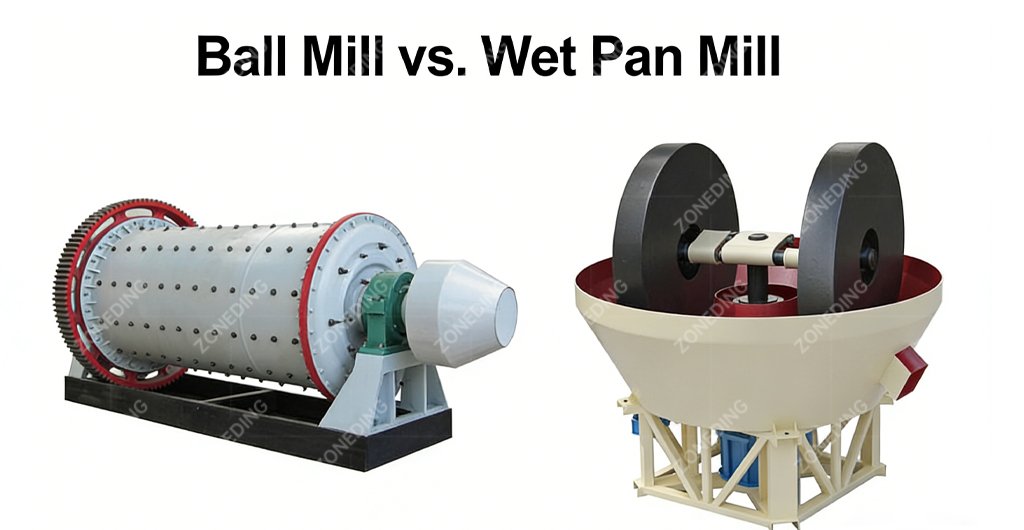
Some miners want a machine that is cheap to buy. Others want a machine that can process hundreds of tons every day. Which one should you pick for your specific mine? This guide will show you the real differences between a ball mill and a wet pan mill. We will explain the costs, the recovery rates, and the best scenarios for each. My goal is to help you choose the right equipment so you can get the most gold out of your ore with the lowest possible cost.
Last Updated: March 2026 | Estimated Reading Time: 21 Minutes
A ball mill is a heavy, rotating horizontal cylinder. Inside the drum, we place thousands of steel balls. As the drum turns, these balls are carried up the side and then they fall back down. This action uses both impact and attrition to crush the ore into a very fine powder.
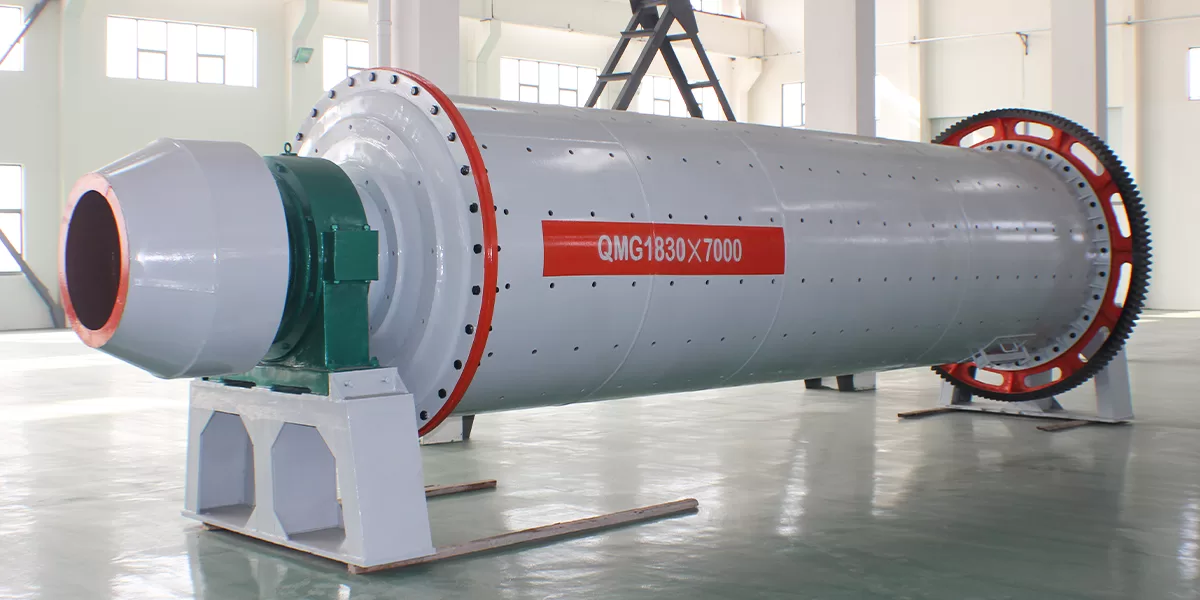
At ZONEDING, we design our Ball Mill to run continuously. You feed the ore in one end, and the fine pulp flows out the other end. This is a industrial-scale process. The ball mill is the “workhorse” of the modern mining industry. It is very reliable and can grind rocks to a size smaller than a human hair (75 microns or less). This is necessary if you are using a cyanide leaching process to recover your gold.
We focus a lot on the “liners” inside the drum. We use high-manganese steel or thick rubber liners to protect the main shell. These liners are designed with specific “waves” or “lifts” that help the steel balls jump at the right angle. This ensures the maximum amount of “impact force” on the rock. If the balls just slide around, you waste electricity and the rock doesn’t break. Our design ensures every rotation of the drum does real work.
| Feature | ZONEDING Ball Mill Details | Benefit to Your Mine |
|---|---|---|
| Feeding Size | Usually less than 25mm | Efficient processing of pre-crushed ore. |
| Output Fineness | Adjustable (down to 200 mesh) | Frees the smallest gold particles. |
| Capacity | 1 ton to 100+ tons per hour | Scales with your business growth. |
| Operation | Fully Continuous | No need to stop for unloading. |
A wet pan mill is often called a “Gold Grinding Machine” or a “Chilean Mill.” It is very different from a ball mill. It looks like a large, round basin with two or three heavy rollers inside. A central vertical shaft turns, and the rollers spin around the basin. The weight of the rollers squeezes and grinds the ore against the bottom plate.
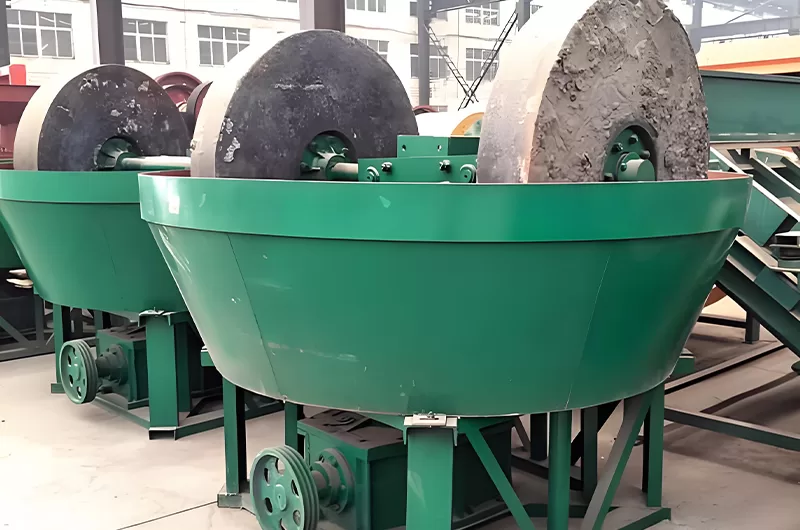
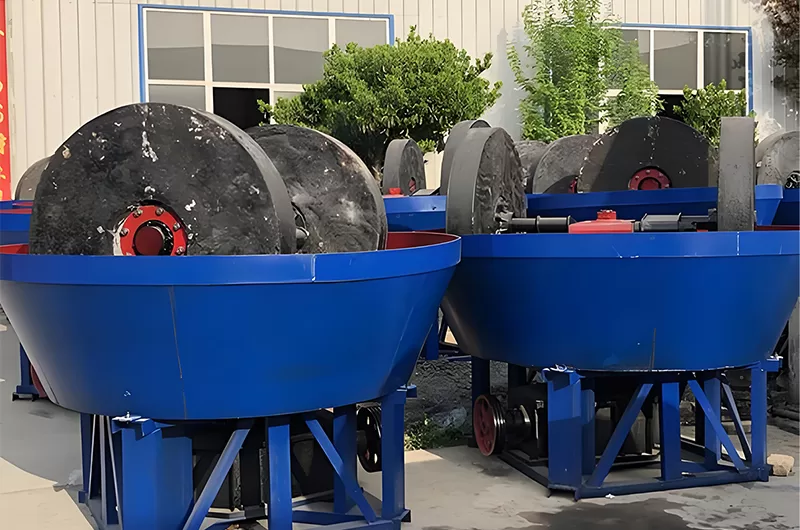
This machine is incredibly popular in small-scale mining regions like Sudan, Zimbabwe, and parts of South America. Why? Because it is very simple. It is basically a “low-tech” way to get gold. You add the ore, add some water, and let it spin. Many miners also add mercury directly into the wet pan mill to catch the gold as it is freed.
The biggest advantage is the price. A wet pan mill is much cheaper than a ball mill system. For a small operator who only processes 1 or 2 tons an hour, the wet pan mill is easy to buy and easy to fix. If a part breaks, a local welder can usually fix it. You do not need a computer or a high-tech engineer to run it.
However, there is a big downside. Wet pan mills are slow. They are “batch” machines or semi-continuous at best. Also, if you use mercury, it is very dangerous for your health and the environment. At ZONEDING, we recommend using a wet pan mill only if your budget is very small and your ore responds well to gravity separation.
Our Wet Pan Mill uses heavy-duty cast iron for the rollers and the base plate. We make the rollers extra thick so they provide more crushing pressure. This helps you grind harder quartz ore faster than cheaper models.
To make the best choice, you need to look at four main factors: cost, capacity, fineness, and recovery method. This table breaks down the honest truth about both machines.
| Comparison Point | Ball Mill (Industrial Choice) | Wet Pan Mill (Economical Choice) |
|---|---|---|
| Ideal For | Medium to Large scale plants | Small scale or artisanal miners |
| Initial Investment | Higher (requires conveyors/feeders) | Very Low |
| Electricity Cost | Lower per ton produced | Higher per ton produced |
| Grinding Fineness | Extremely fine (75 microns) | Medium fine (100-200 microns) |
| Mercury Usage | Not used | Highly common (but dangerous) |
| Automation | High (Smart control possible) | Manual operation |
Gold often hides in very small grains. If your gold is “microscopic,” you must grind the rock into a very fine flour. A ball mill is the only machine that can consistently hit the 200-mesh (75 micron) target. If your gold is “coarse” (visible grains), then a wet pan mill might be enough.
If you are planning to use a CIL/CIP Plant (Cyanide in Leach), you must use a ball mill. The chemicals need the ore to be super fine to work. If you only use a sluice box or a shaker table, a wet pan mill is okay.
Do not just look at the price tag. A wet pan mill uses a lot of electricity because it is not very efficient. A ball mill uses less power to grind the same amount of rock. Also, the wear parts on a ball mill last longer. Over two or three years, the ball mill is actually the cheaper machine to own, even though it costs more to buy on day one.
A grinding machine does not work alone. You need a complete system. If you just throw huge rocks into a ball mill, it will take a long time to grind them. This wastes money. For cost-effective gold grinding, you need a balanced line.
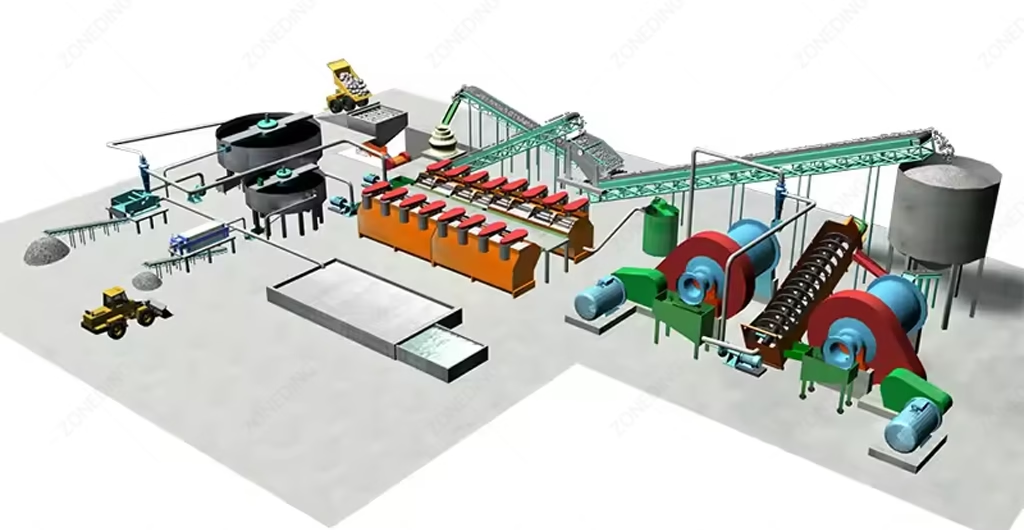
Before the ore reaches the mill, it should be crushed. We recommend using a Jaw Crusher to break the ore down to about 20mm. This makes the job much easier for the ball mill. It’s like cutting your food into small pieces before you chew it. It saves your teeth (the liners) and helps you digest (the grinding) faster.
Use a vibrating feeder. If you feed the mill by hand, one minute it will be too full, and the next minute it will be empty. This inconsistent load will burn out your motor. A feeder ensures the mill is always “choke-fed” at the perfect level.
This is the secret to high capacity. You need a Spiral Classifier or a Hydrocyclone. This machine checks the pulp coming out of the ball mill. If the particles are small enough, they go to the gold recovery stage. if they are too big, they are sent back into the ball mill to be ground again. This “closed-circuit” system can increase your production by 30%.
When you buy mining equipment, you are buying a lifeline for your business. If the machine breaks and there are no parts, your family has no income. Use this checklist to find a real manufacturer like ZONEDING:
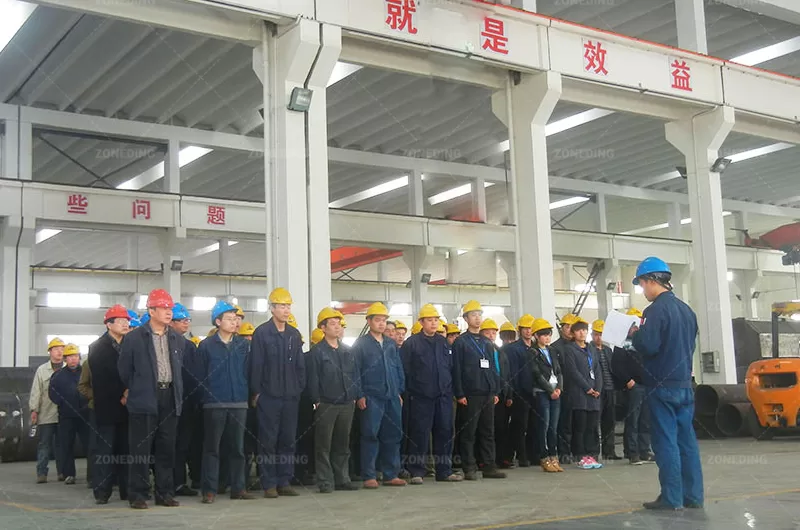
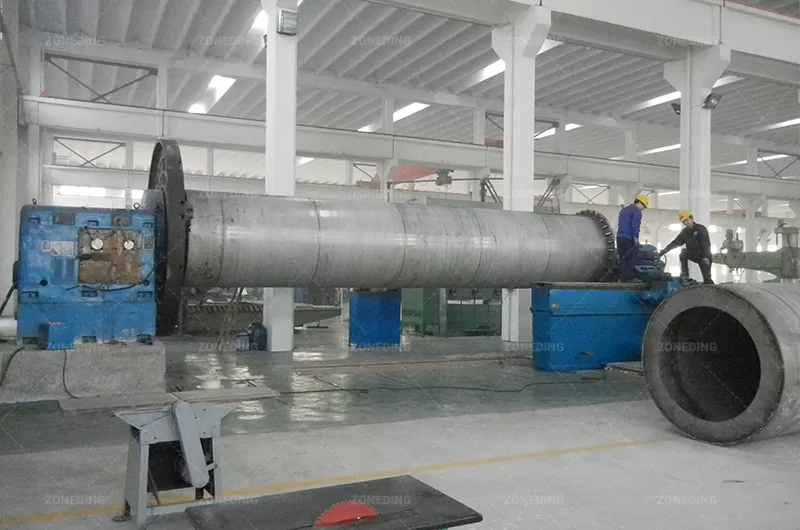
The mining world is changing fast. In 2025, governments are becoming much stricter about chemicals like mercury. This is pushing the industry away from wet pan mills and toward cleaner, industrial solutions.
In the battle of Ball Mill vs. Wet Pan Mill, the winner depends on your goals.
Do not buy the cheapest machine you find. Buy the machine that will give you the most gold. In mining, recovery rate is everything. A 10% increase in recovery will pay for a better machine in just a few months.
ZONEDING MACHINE is a premier Chinese manufacturer of gold processing equipment. Since 2004, we have helped thousands of miners turn their rock into profit. We don’t just sell equipment; we provide full solutions.
When you buy from us, you get:
Are you ready to optimize your gold mine?
Contact ZONEDING today for a free ore analysis and a customized grinding machine quote. Let’s get more gold out of your ground together.
Last Updated: February 2026
Our guide diagnoses 7 common problems, from bearing overheating to low capacity, and provides clear maintenance solutions to fix them fast.
View details
Learn steps involved in making asphalt concrete, from selecting raw materials to the precise mixing process. Your comprehensive guide to asphalt production.
View details
This guide covers various slag types,methods, equipment, and diverse utilization pathways for slag processing, helping for efficient resource transformation .
View details
Explore the full lifecycle of an aggregate processing plant. Learn about crushing, screening, washing, and every stage involved in producing aggregates.
View details