A modern talc processing plant needs efficient operations. To achieve high purity talc, you need the right talc beneficiation equipment. Talc, a soft mineral, is crucial across many industrial talc applications. Its value directly depends on its purity and fineness. Poor processing leads to wasted resources and lower profits. Finding solutions that improve mineral recovery talc and reduce costs is essential for your success.
This guide explores the complex world of talc processing. It covers everything from basic properties to advanced talc upgrading process solutions. We will show you how to overcome common challenges. We will also help you choose the best talc processing solutions. As a leading manufacturer of mining equipment, ZONEDING offers proven technology and tailor-made solutions. We help you achieve superior product quality and optimize your operations.
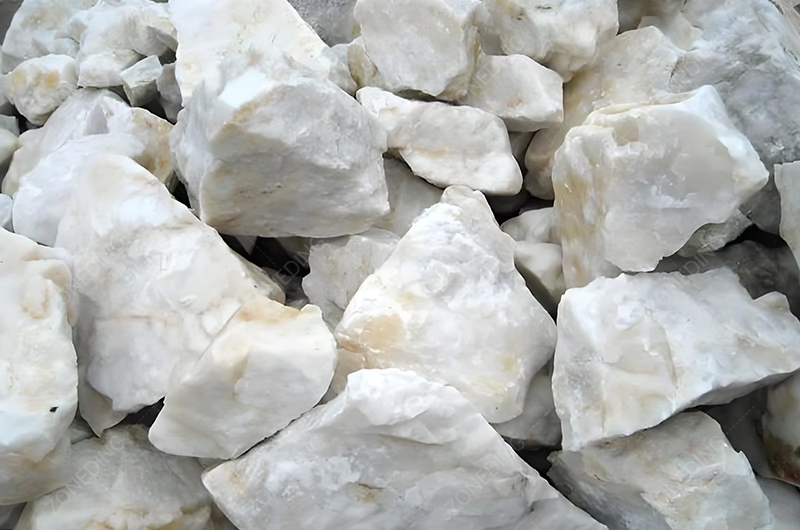
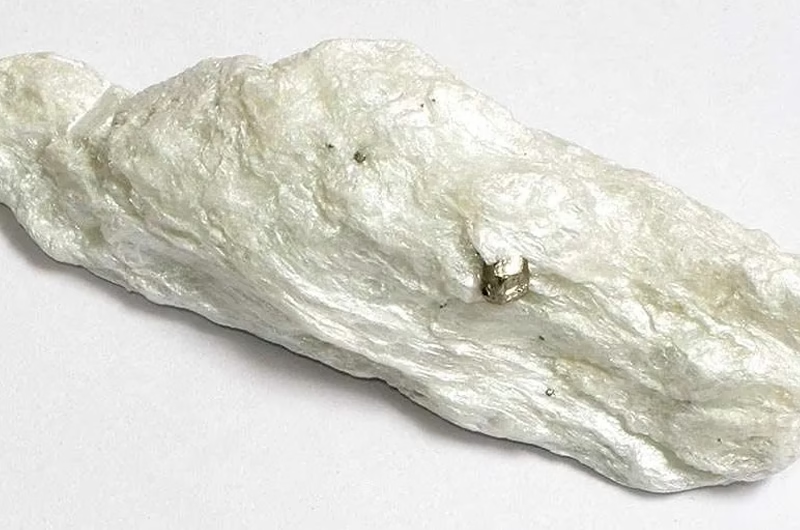
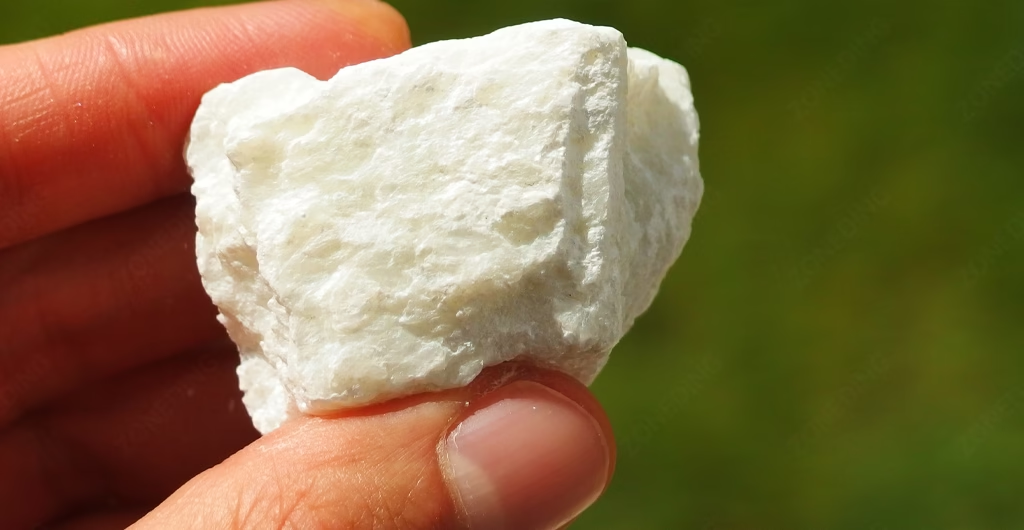
Talc is a naturally occurring mineral. It is a hydrated magnesium silicate (Mg3Si4O10(OH)2). It is the softest mineral on the Mohs scale, rating 1. You can easily scratch it with your fingernail. Talc has a unique plate-like structure. It feels greasy or soapy. This is why it is also known as soapstone or soaprock. It forms from the metamorphosis of magnesium-rich rocks. This happens under high pressure and temperature. Talc deposits are usually found in metamorphic rock formations.
Its softness allows for easy grinding. Its chemical inertness means it does not react with many substances. These properties make it very valuable. Talc is also hydrophobic, meaning it repels water. It is non-toxic and has a high melting point. These features are key for its widespread use. ZONEDING designs its talc beneficiation equipment to handle these unique characteristics. We ensure efficient processing from the start.
Why is Its Purity Crucial for Your Markets?
The purity of talc directly impacts its value. It also determines its suitability for various industrial talc applications. High-purity talc commands premium prices. Lower purity talc limits its uses. Many industries require talc with very low impurity levels. These impurities can be minerals like dolomite, magnesite, quartz, or iron-bearing silicates. Even small amounts of these can degrade product performance. Your profit margins depend on achieving the highest possible purity through an effective talc upgrading process.
For example, in cosmetics and pharmaceuticals, you need ultra-pure, asbestos-free talc. Impurities cause irritation or health concerns. In plastics, talc acts as a filler and reinforcing agent. Trace minerals can affect the plastic’s color, strength, or processing behavior. In paints and ceramics, impurities can cause discoloration or affect gloss and opacity. This impacts final product quality.
ZONEDING’s talc processing solutions focus on impurity removal. This ensures your final product meets strict market demands. Our advanced talc beneficiation equipment helps you produce the desired high purity talc.
Talc has unique physical and chemical characteristics. These make it highly desirable for various industries. Knowing these properties helps you design the best talc upgrading process. It also ensures you select the correct talc processing machine.
Softness: Talc is the softest mineral. This allows it to be ground into extremely fine powders.
Greasy Feel: It has a characteristic soapy feel. This comes from its layered crystal structure.
Chemical Inertness: Talc resists attack by acids and alkalis. This makes it stable in various chemical environments.
High Melting Point: It can withstand temperatures up to 900°C. This makes it useful in high-temperature applications.
Electrical Insulation: Talc does not conduct electricity. This property is vital in electrical components.
Hydrophobicity: It naturally repels water. This is beneficial in paper, paint, and plastic industries.
High Whiteness: Pure talc is white. This is preferred for many aesthetic applications.
Plate-like Structure: Its lamellar shape gives it reinforcing power in plastics. It also provides slip when used as a lubricant.
Low Abrasiveness: When pure, it causes minimal wear on processing equipment. This helps in talc production optimization.
Non-Toxic: It is safe for cosmetic, pharmaceutical, and food-contact applications when pure.
These properties underscore why precise processing is vital. It allows you to preserve these valuable traits. ZONEDING’s talc beneficiation equipment is engineered to maintain talc’s integrity. We ensure you get the best out of your raw material.
What are Applications of Talc?
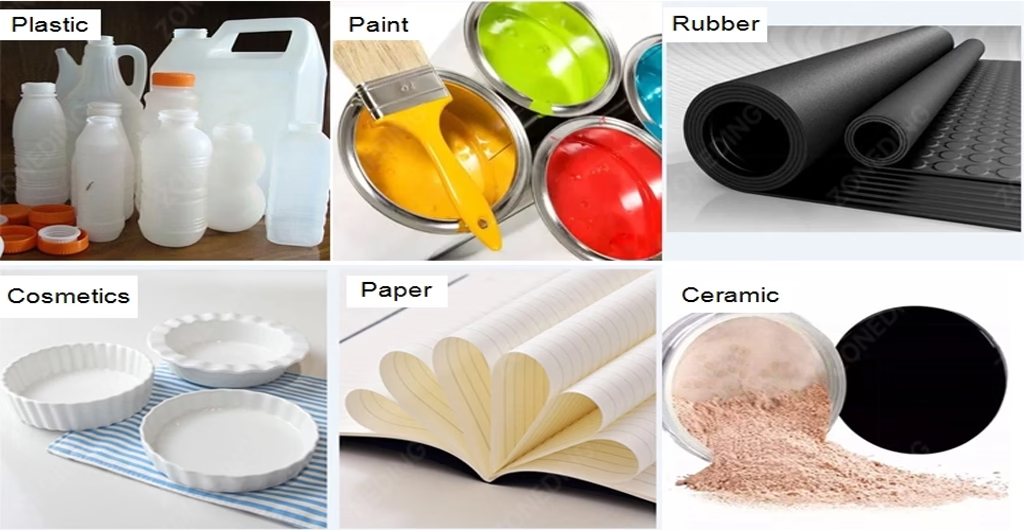
Talc’s unique properties make it invaluable across a broad spectrum of industrial talc applications. It acts as a filler, whitener, lubricant, and an agent for gloss, opacity, and softness. The diversity of its uses directly relates to achieving specific purity and particle size.
Plastics: Talc is a major filler. It enhances stiffness, dimensional stability, and heat resistance. It reduces shrinkage and warping.
Paints and Coatings: It improves opacity, extends pigments, and helps with chemical resistance. It also controls gloss.
Paper: Talc is used as a pitch control agent. It is also a filler and coating pigment. It improves smoothness and printability.
Ceramics: It acts as a flux and a source of magnesia. It reduces firing temperatures and controls thermal expansion.
Cosmetics and Pharmaceuticals: Due to its softness and inertness, it is a base for powders, foundations, and lotions. It is crucial for high purity talc.
Rubber: It serves as a reinforcing filler. It improves mechanical properties.
Roofing: Talc is used to prevent sticking and as a fire retardant.
Agriculture: It acts as an inert carrier for pesticides and fertilizers.
Food Additive: Used as an anti-caking agent and coating.
Refractory: Its high melting point makes it useful in refractory materials.
Each application often requires a precise grade of talc. This includes specific whiteness, particle size distribution, and chemical purity. ZONEDING’s talc processing solutions help you meet these varied demands. We customize talc beneficiation equipment to produce talc suitable for your target markets.
Talc Specifications for Key Industries
Application
Key Specifications
ZONEDING Equipment Contribution
Plastics
High lamellarity, low impurities (<0.5% Fe)
Ultra-fine grinding mills, effective magnetic separation
Paints
High whiteness, fine particle size (<10µm)
Multi-stage grinding, high-efficiency classifiers
Cosmetics
Asbestos-free, ultra-fine, sterile (<5µm)
Advanced grinding, multi-stage flotation, drying
What are the Key Stages in a Modern Talc Beneficiation Process?
A modern talc beneficiation process is complex. It involves several stages. Each stage refines the talc. It aims to increase purity and achieve desired particle size. This multi-step approach is crucial for mineral recovery talc and producing high purity talc.
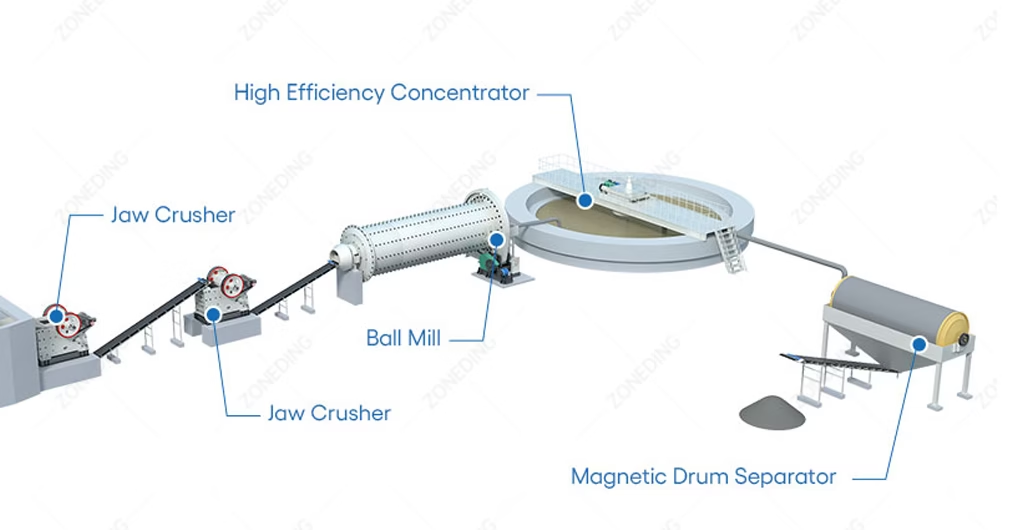
Crushing: You start with reducing large raw talc lumps. Primary and secondary talc crushers break down the ore to a manageable size (e.g., 20-25 mm). This prepares it for grinding.
ZONEDING offers robust Jaw Crushers and Impact Crushers for efficient primary size reduction, handling various talc hardness levels.
Grinding: This is a critical step. It reduces the talc to a fine powder (e.g., 50-200 mesh). This frees talc from impurities. Different types of talc grinding mills are used.
Our Ball Mills and Raymond Mills are optimized for fine talc grinding. They achieve precise particle size distribution and help achieve talc production optimization.
Classification: After grinding, you separate particles by size. This creates uniform product batches. Air classifiers or hydrocyclones are commonly used.
ZONEDING’s precision Air Classifiers ensure you get the exact fineness needed, enhancing talc upgrading process efficiency.
Beneficiation/Purification: This stage removes non-talc minerals. It uses methods like flotation or magnetic separation.
Our Flotation Cells are designed for effective separation of talc from silicates and carbonates, vital for talc purification.
For iron-rich impurities, ZONEDING’s Magnetic Separators offer excellent performance.
Dewatering: If wet processing is used, water must be removed. This uses thickeners and filter presses.
ZONEDING provides efficient Thickeners that reduce water content significantly. This prepares your talc for drying.
Drying: The final step involves removing residual moisture. This ensures the talc meets market specifications. Talc dryers are used.
Our Rotary Dryers are energy-efficient. They reduce moisture to less than 1%, which is key for talc production optimization.
Packaging: The finished talc is then packaged. It is ready for distribution.
Each stage in this talc beneficiation flowchart is crucial. ZONEDING designs and supplies talc processing solutions for the entire sequence. We can also provide a Complete Mineral Processing Plant Solutions tailored to your specific talc deposit.
What are Key Machines in a Talc Processing Plant?
A successful talc processing plant relies on a suite of specialized machines. Each machine performs a specific function. Their combined efficiency ensures optimal talc production optimization and mineral recovery talc. ZONEDING provides a full range of high-performance talc beneficiation equipment.
Crushing Equipment:
Jaw Crusher: For primary crushing of large talc lumps. It handles hard, abrasive raw talc effectively.
Impact Crusher: Used for secondary crushing. It can produce a more cubical product. ZONEDING’s Crushing Equipment ensures initial size reduction is efficient.
Grinding Mills:
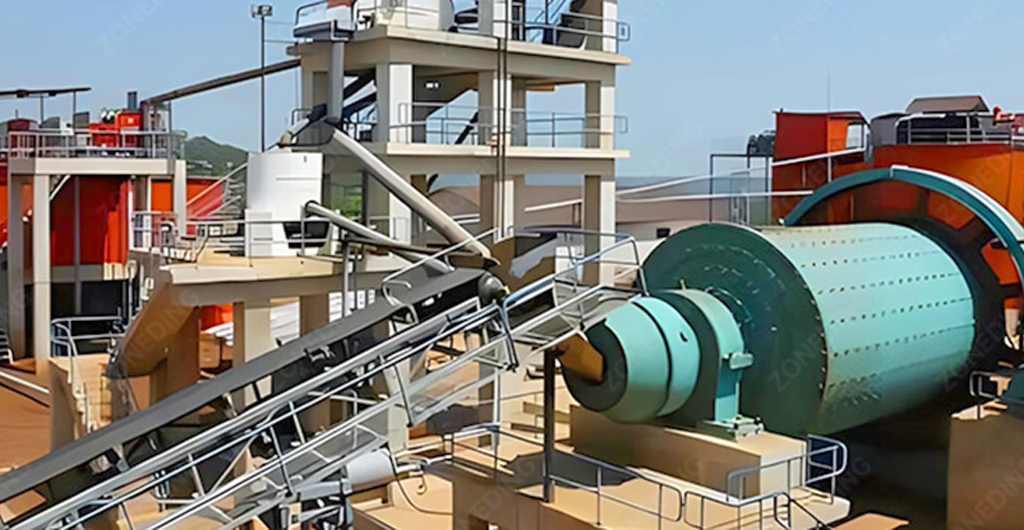
Ball Mill: Essential for fine and ultra-fine grinding of talc. It uses grinding media to reduce particle size. ZONEDING’s Ball Mills are known for their efficiency and controlled output.
Raymond Mill: Ideal for fine grinding and pulverizing talc. It also offers integral classification. Our Relevant Grinding Equipment pages detail specific models.
Classification Equipment:
Air Classifier: Separates talc particles based on size and density in an air stream. It is crucial for achieving specific fineness.
Hydrocyclone/Spiral Classifier: Used in wet grinding circuits to remove undesirable fines or return coarse particles for further grinding.
Beneficiation Equipment:
Flotation Machine: This separates talc from impurities. Talc is naturally hydrophobic and floats easily. ZONEDING’s Flotation Machine models offer excellent separation efficiency for talc purification.
Magnetic Separator: Removes iron-bearing impurities. This is crucial for high purity talc applications.
Dewatering Equipment:
Thickener: Concentrates talc slurry by allowing solids to settle.
Filter Press: Removes remaining water from concentrated talc slurry, producing a filter cake.
Drying Equipment:
Rotary Dryer: Removes moisture from the talc filter cake. It ensures the final product meets dryness specifications. Explore ZONEDING’s Dryers and Calcining Equipment for detailed options.
Each piece of ZONEDING talc processing machine is built for durability and efficiency. We ensure seamless integration into your overall flow, which helps achieve your talc production optimization goals.
What are Challenges in Talc Beneficiation Process? How to Solve?
The talc beneficiation process presents several challenges. These can hinder mineral recovery talc and impact product quality. Addressing these issues with targeted talc processing solutions is vital for successful operations.
Flotation Efficiency for Complex Ores:
Challenge: Talc’s natural hydrophobicity makes it float easily. However, separating it from other hydrophobic minerals or ensuring complete liberation from gangue can be difficult. Complex ore bodies, often containing carbonates or silicates that partially float, worsen this.
Solution: Use multi-stage flotation circuits with different reagent schemes. Optimize collector types and dosages. Control pH precisely. Pre-flotation to remove problematic gangue can also help. ZONEDING’s Flotation Cells are designed for modular configurations. They allow fine-tuning of parameters for superior separation.
Challenge: These minerals are common talc impurities. Iron affects whiteness. Carbonates like dolomite and magnesite reduce talc purity and chemical inertness. Removing them without losing valuable talc is hard.
Solution: Implement both magnetic separation (for iron) and reverse flotation circuits (for carbonates). Gravity separation can also remove heavier gangue minerals before flotation. ZONEDING offers specialized Magnetic Separators and Flotation Machines for selective impurity removal, crucial for talc purification and high purity talc.
Achieving Ultra-Fine Particle Size without Overgrinding:
Challenge: Many industrial talc applications require very fine talc (e.g., d90 < 10 microns). But overgrinding wastes energy. It can also create excessive superfines, which are hard to filter and dry.
Solution: Use efficient talc grinding mills with precise classification. Vertical mills or ultra-fine Ball Mills combined with advanced Air Classifiers help achieve fineness. This prevents overgrinding. ZONEDING’s grinding equipment minimizes energy consumption while maximizing output of desired particle sizes, vital for talc production optimization.
Dewatering and Drying Efficiency:
Challenge: Fine talc slurries are difficult to dewater. They retain a lot of moisture. Inefficient drying is energy-intensive. It can also cause particle agglomeration.
Solution: Employ high-efficiency thickeners and filter presses for maximum water removal before drying. Optimize talc dryers with energy-saving features like heat recovery. ZONEDING provides advanced dewatering and Rotary Dryers to tackle these issues. Our Dryers and Calcining Equipment page highlights our solutions.
Environmental Compliance:
Challenge: Dust generation during crushing and grinding creates environmental concerns. Proper waste disposal, especially for chemical reagents from flotation, is also important.
Solution: Install dust collection systems at all transfer points and crushing/grinding areas. Implement closed-loop water systems and proper tailings management. ZONEDING incorporates dust control features in its talc beneficiation equipment designs. We also advise on sustainable processing practices.
By systematically addressing these challenges with optimized talc processing solutions and ZONEDING’s robust talc beneficiation equipment, you can significantly improve your overall process efficiency and economic returns.
What Are the Critical Factors for Ensuring Consistent Talc Product Quality?
Consistent talc product quality is paramount. It ensures customer satisfaction and market competitiveness. Several factors influence this. You must continuously monitor and control them. This leads to reliable high purity talc output.
Raw Material Homogeneity: The quality of your raw talc directly impacts the final product. Consistent physical and chemical properties of the feed ore are crucial. Variations require constant process adjustments.
ZONEDING Solution: We help you design effective blending strategies for your raw ore. This ensures a consistent feed to the talc beneficiation equipment.
Precise Particle Size Control: Different applications demand specific particle size distributions. Too coarse or too fine can make the product unusable.
ZONEDING Solution: Our talc grinding mills work with advanced Air Classifiers. They provide precise separation. This ensures you meet your target particle size consistently. This is key for talc production optimization.
Effective Impurity Removal: Any remaining gangue minerals affect purity, whiteness, and performance. Consistent removal of iron, carbonates, and silicates is vital.
ZONEDING Solution: Our integrated Flotation Cells and Magnetic Separators are optimized for selective impurity removal. They achieve the highest levels of talc purification.
Moisture Content Management: Final product moisture content must be within specification. Excess moisture affects flowability and can cause caking.
ZONEDING Solution: Our efficient Talc Dryers ensure consistent and low moisture levels. This is vital for product quality.
Process Stability and Automation: Fluctuations in feed rate, reagent dosage, or mill parameters lead to inconsistent product. Automation helps stabilize conditions.
ZONEDING Solution: We integrate intelligent control systems into our talc processing solutions. These help maintain stable operating parameters. This boosts overall efficiency and quality.
Regular Quality Control Testing: Consistent sampling and analysis throughout the process and on the final product are non-negotiable. This identifies deviations quickly.
ZONEDING Solution: We advise on setting up comprehensive QC frameworks. This helps you monitor product attributes like whiteness, chemical composition, and particle size.
By focusing on these factors and utilizing ZONEDING’s advanced talc beneficiation equipment, you can establish a robust system. This system consistently delivers high purity talc that meets the most demanding market needs. This translates to increased market acceptance and profitability.
How Do You Optimize Your Talc Beneficiation Process to Reduce Costs and Boost ROI?
Optimizing your talc beneficiation process is crucial. It directly impacts your profitability. You can reduce operating costs and boost your Return on Investment (ROI) by focusing on key areas. This involves smart equipment choices and process adjustments. ZONEDING is skilled in helping you achieve cost-effective talc processing.
Energy Efficiency:
Optimization: Energy is a major cost. Choose energy-efficient talc grinding mills, especially for fine grinding. Optimize mill filling and speed. Use variable frequency drives (VFDs) for motors.
ZONEDING Solution: Our Ball Mills and Raymond Mills feature advanced designs. They minimize energy consumption. Our engineers help optimize operating parameters for peak efficiency.
Water Management and Recycling:
Optimization: Water usage can be high, especially in wet processing. Implement closed-loop water systems. Recycle process water after thickening and filtration.
ZONEDING Solution: We design water recovery systems. Our Thickeners and Filter Presses are fundamental. They enable maximum water reuse.
Reagent Consumption Optimization:
Optimization: Flotation reagents are expensive. Minimize dosage while maintaining recovery. Test different reagents for cost-effectiveness.
ZONEDING Solution: Our Flotation Machines allow precise control over reagent addition. This helps you find the optimal balance between recovery and cost, enhancing talc production optimization.
Wear Part Lifespan Extension:
Optimization: Replacing liners and grinding media is a recurring cost. Use high-quality, wear-resistant materials. Optimize maintenance schedules.
ZONEDING Solution: We use durable materials in our talc beneficiation equipment. We provide guidance on maintenance. This extends the life of wear parts.
Process Automation and Control:
Optimization: Automated systems reduce labor costs. They also improve consistency, reducing rework and waste.
ZONEDING Solution: We integrate smart control systems. These monitor and adjust your talc processing solutions. This improves stability and reduces manual intervention.
Targeted Impurity Removal:
Optimization: Efficiently removing impurities early saves costs down the line. It avoids reprocessing.
ZONEDING Solution: Our customized talc upgrading process solutions target specific impurities. This ensures efficient removal at appropriate stages.
By partnering with ZONEDING, you gain access to our expertise. We help you implement these optimization strategies. This ensures you achieve significant cost savings and a higher ROI from your talc processing plant.
What Support Does ZONEDING Offer for Your Specific Talc Beneficiation Project?
ZONEDING provides complete support for your talc beneficiation project. We go beyond just supplying machines. We offer a “Full-Service Support” approach. We cover every stage from concept to operation. This ensures your project’s success, delivering ZONEDING Talc Solutions.
Initial Consultation and Feasibility Study:
Support: Our experts analyze your raw talc samples and project requirements. We conduct feasibility studies. This helps define the most suitable talc upgrading process and talc beneficiation equipment.
Customized Solution Design:
Support: We design a complete talc processing plant tailored to your specific ore characteristics, desired product quality, and budget. This includes detailed talc beneficiation flowchart and equipment selection.
High-Quality Equipment Manufacturing:
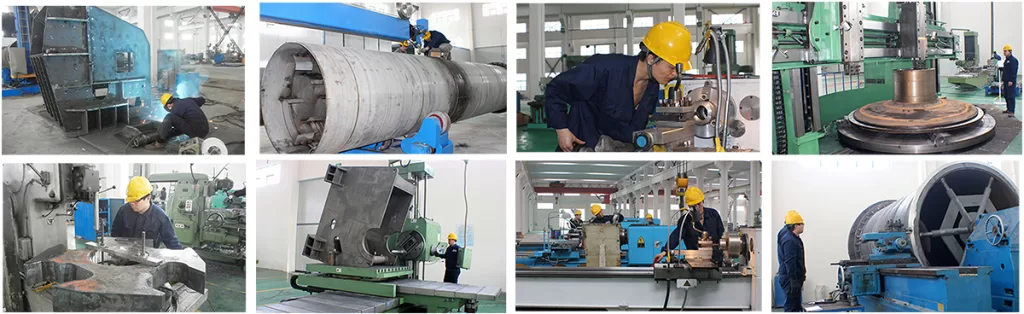
Support: We manufacture all talc beneficiation equipment in our state-of-the-art factory. We use high-quality materials and strict quality control. This ensures durability and performance.
Installation and Commissioning:
Support: Our experienced technicians oversee the installation of all machines. We also perform commissioning. This ensures everything runs smoothly from day one.
Operator Training:
Support: We provide hands-on training for your operating staff. They learn how to operate and maintain the talc processing machine. This maximizes efficiency and safety.
After-Sales Service and Spare Parts:
Support: We offer long-term technical support and readily available spare parts. This minimizes downtime and ensures continuous talc production optimization.
Global Project Management:
Support: With experience exporting to over 120 countries, we manage all logistics, customs, and international shipping. This makes the process seamless for you.
ZONEDING’s “Comprehensive Product Line and One-Stop Solution” means you get everything you need from a single, reliable partner. We are committed to helping you achieve high purity talc and maximize your mineral recovery talc.
FAQ
Question 1: What is the most critical factor for achieving high purity talc?
The most critical factor is effective impurity removal. This usually involves a combination of grinding to liberate talc from gangue minerals, followed by specialized beneficiation techniques like flotation and magnetic separation. ZONEDING’s talc upgrading process focuses on achieving precise separation.
Question 2: How does ZONEDING ensure the longevity of its talc processing equipment?
We ensure longevity through several ways. We use high-quality, wear-resistant materials for critical components. We also offer robust designs, and provide “Full-Service Support.” This includes regular maintenance guidance and readily available spare parts. Our goal is to minimize wear and maximize equipment lifespan.
Question 3: Can ZONEDING customize talc processing solutions for small-scale operations?
Yes, ZONEDING offers “Customization Capabilities.” We can design talc processing solutions for various scales. This includes both large industrial plants and smaller operations. We tailor our talc beneficiation equipment to match your budget and specific production needs.
Question 4: What is the typical lead time for a complete talc processing plant from ZONEDING?
The lead time varies based on the complexity and size of the plant. It typically ranges from 3 to 6 months for manufacturing and delivery. This does not include installation. ZONEDING’s global logistics team ensures efficient and timely delivery to your site.
Conclusion
Successfully processing talc requires more than just machines. It demands a deep understanding of the mineral. It also needs expertise in talc beneficiation equipment. Focusing on mineral recovery talc and achieving high purity talc is vital. You must address challenges like complex ore bodies and strict quality demands. Choosing the right talc processing solutions is key to success.
We encourage you to assess your specific needs carefully. Consider raw material characteristics, desired purity, and target markets. Partnering with an experienced manufacturer like ZONEDING provides a clear advantage. Our “Comprehensive Product Line and One-Stop Solution” covers every aspect. From specialized talc grinding mills to efficient talc dryers, we deliver cost-effective talc processing. We are dedicated to optimizing your talc production optimization. Contact us today to discuss your project. Let ZONEDING help you boost your mineral recovery and achieve superior product quality.
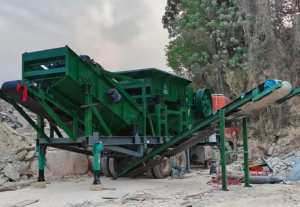
A comprehensive mobile crushing guide for buyers. Compare factors like material hardness, capacity, and mobility (track vs. wheel) to maximize your mining ROI.
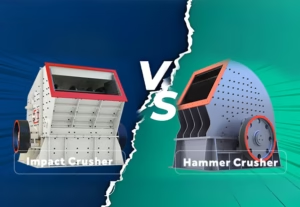
Dive into the ultimate comparison of impact and hammer crushers. Understand key differences in design, operation, andscenarios for maximum crushing efficiency.
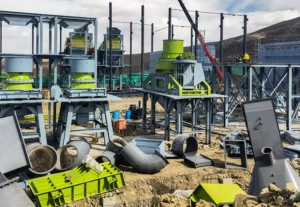
Crushing aggregate? This blog tells 5 essential cone crusher types you need to know for efficient and profitable aggregate production. Learn from the experts!
 Zoneding Mining