A ball mill represents a significant investment for any mineral processing operation. It is pivotal for achieving fine grinding, which directly impacts the recovery and quality of valuable minerals. Navigating the market to find the right ball mill requires a careful balance between initial ball mill prices, long-term operational costs, and overall performance. A well-chosen ball mill ensures efficient material reduction, optimal energy consumption, and consistent product fineness. Conversely, an unsuitable choice leads to inefficiencies, high maintenance, and missed production targets.
This guide explores how to balance cost with performance. It ensures selection of a high-value machine that meets processing requirements efficiently. It delves into the factors influencing ball mill prices and provides insights into optimizing value. As a leading manufacturer of grinding equipment, ZONEDING provides expertise in selecting the ideal ball mill for diverse applications.
What Exactly is a Ball Mill? How Does Ball Mill Work?
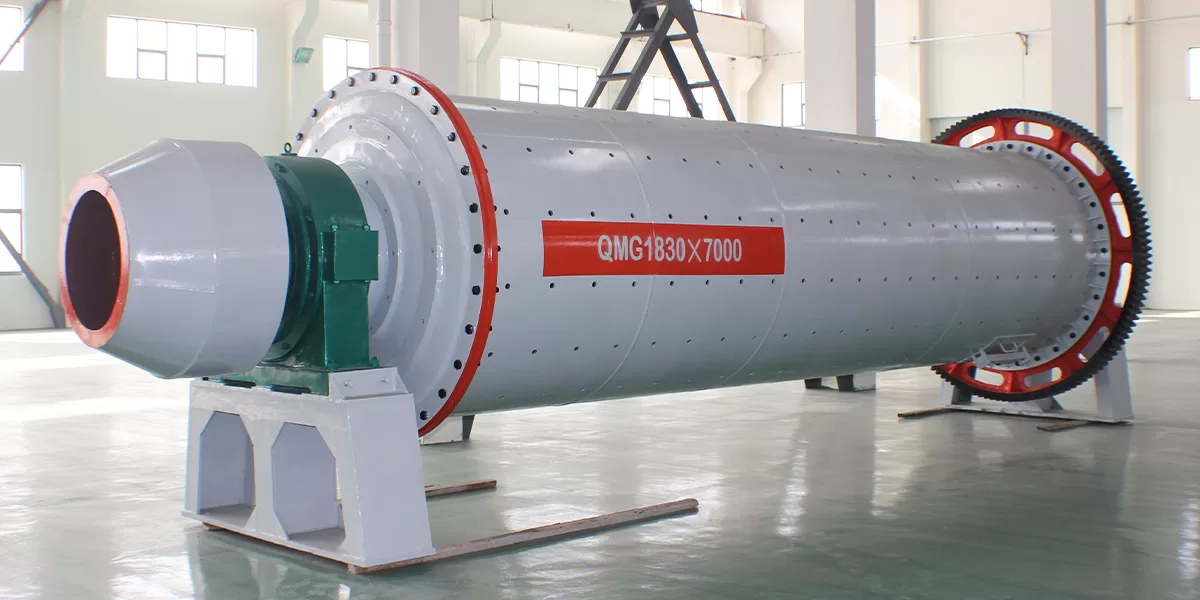
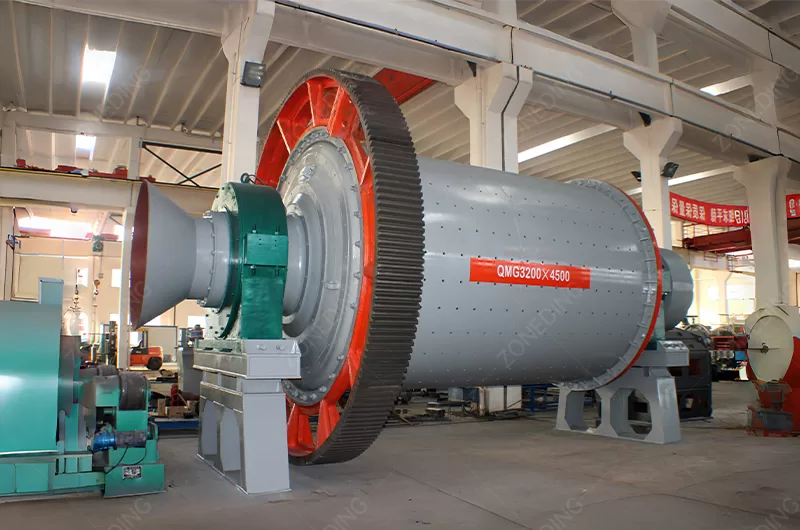
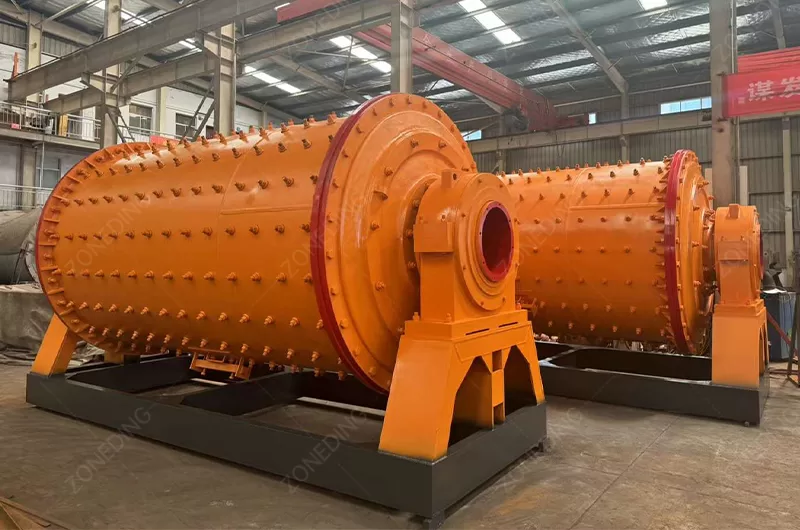
A ball mill is a type of grinder. It is used to mill materials into extremely fine powder. This is done for use in mineral processing plants, paint production, pyrotechnics, and ceramics. The machine consists of a hollow cylindrical shell rotating around its axis. This shell is partially filled with grinding media. These are typically balls made of steel, ceramic, or rubber. The material to be ground is fed into the mill. As the shell rotates, the grinding media are lifted and then fall back. They impact the material and grind it by attrition and impact.
The primary function of a ball mill is fine grinding. This process prepares ores for further concentration. It also creates fine powders for various industrial uses. Different types of ball mills exist, including those for wet or dry grinding and batch or continuous operation. ZONEDING designs and manufactures a comprehensive range of these mills. These are tailored to various industrial applications. Understanding these fundamental aspects is crucial for making an informed purchasing decision when considering a ball mill investment.
What are Types of Ball Mill Operation?
Ball mill types categorize operations based on grinding environment and processing method. These distinctions significantly affect performance and suitability for different materials and applications. Understanding them helps in making the right ball mill selection.
Wet Grinding: Material mixes with water to form a slurry. This method is common in mineral dressing. It offers higher efficiency and lower dust. It is suitable for certain mining ball mill price applications.
Dry Grinding: Material is ground in a dry state. This is suitable for materials sensitive to moisture. It is also used where water disposal is a concern. Examples include cement mill cost considerations.
Batch Mills: These process a fixed amount of material. Then they discharge it. They are ideal for small-scale operations or specialized products.
Continuous Mills: Material is continuously fed and discharged. This is standard for large-scale industrial operations. Most industrial ball mill buying tips suggest continuous mills for high throughput.
What is the Price Range of Ball Mills?
The ball mill price range varies significantly. Factors such as size, complexity, and manufacturer all contribute. A small laboratory ball mill might cost a few thousand dollars. A large industrial model for a mining ball mill price or cement mill cost can run into hundreds of thousands or even millions. This wide range makes careful evaluation necessary.
The initial ball mill cost serves as a baseline. However, it does not fully reflect the long-term ball mill value. Smaller capacities naturally have lower prices. Larger capacities, designed for high throughput, involve greater material use and more complex engineering. This drives up the cost. Features like automation, specialized liners, and motor power also affect the overall price. To get the best ball mill price, a thorough understanding of these varying factors is needed. This ensures an investment aligns with both budget and operational needs.
Key Factors Influencing Ball Mill Prices: What Drives the Cost?
Ball mill prices depend on many things. These factors are important when you compare different manufacturers. The starting cost can change a lot based on what the mill includes. Understanding these cost drivers helps you make a smart investment.
Size and Capacity: This is the biggest factor. Larger mills handle more material. They cost more because they use more materials and need more complex building processes.
Material of Construction: High-quality steel and special wear-resistant liners (like manganese steel or rubber) make the mill last longer. This adds to the price. The type of grinding media (steel alloys, ceramic) also affects durability and cost.
Motor Power: The motor’s strength affects how well the mill grinds and how much it can handle. More powerful motors mean higher costs.
Gearbox Type: The gearbox is a key component. Its type affects efficiency and maintenance.
Automation Features: Smart control systems and automation add to the cost. They can also lower labor needs and improve control.
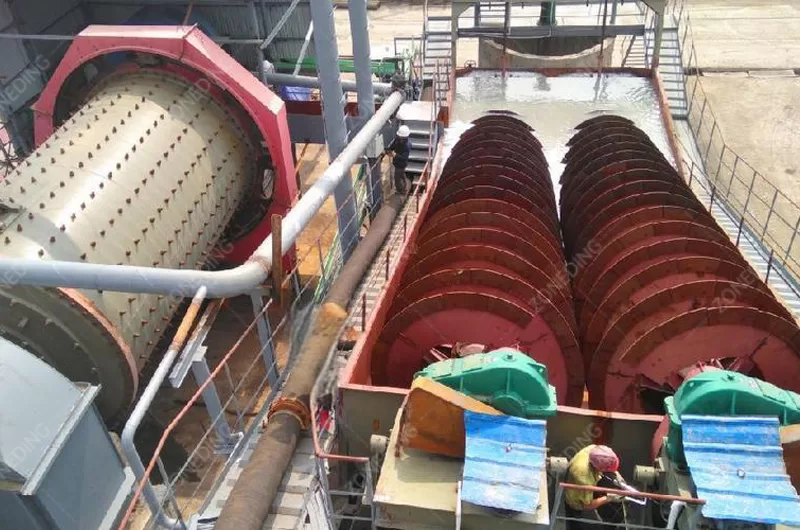
Ancillary Equipment: Items like feeders, discharge grates, and classification systems (such as a spiral classifier) often add a big part to the total cost. This is true for a complete mineral processing plant.
Manufacturer Reputation: Brands known for quality and global support may have higher prices. ZONEDING, as a Chinese manufacturer, offers competitive direct sales prices. We do not lower quality. Our robust grinding equipment aims for the best ball mill price.
Price-Affecting Components
Component
Impact on Price
Value Consideration
Mill Diameter/Length
High
Directly linked to throughput and overall capacity.
Motor Power
High
Determines grinding efficiency and load capacity.
Liner Material
Medium-High
Affects maintenance frequency and grinding efficiency.
Grinding Media Type
Medium
Influences grinding performance and wear.
Automation Level
High
Reduces labor, improves control and efficiency.
Practical Tip: Request Detailed Quotations
When obtaining quotes for a ball mill, manufacturers should provide a detailed breakdown. This should include specifications for each major component, optional features, ancillary equipment, and services like installation and training. This allows for a direct comparison of ball mill value. ZONEDING provides comprehensive quotes, clarifying all aspects of its mining equipment.
Optimizing Value Beyond Initial Ball Mill Prices: What About Long-Term Costs?
Only looking at the first ball mill prices can be a mistake later. The real ball mill value comes from its Total Cost of Ownership (TCO). This includes the purchase price. It also covers all running and maintenance costs over its life. Ignoring these long-term costs often creates unexpected expenses. This can lower your profits. For a good ball mill ROI, looking at TCO is very important.
Total Cost of Ownership (TCO): This includes the initial purchase, energy use, maintenance, and lost production from downtime. Evaluating TCO is essential to truly understand the ball mill value.
Energy Consumption: This is a huge running cost. A ball mill runs all the time. So, ball mill efficiency is key. ZONEDING’s ball mills are made for “High Efficiency and Energy Saving.” This helps you save on electricity bills.
Maintenance Costs: These include changing worn parts (liners and grinding media) and labor. These costs greatly affect long-term profit. The life of liners and grinding media, their availability, and cost are key points.
Minimizing Downtime: Equipment breakdowns stop work. This means lost money. ZONEDING offers “Full-Service Support.” This includes spare parts that are easy to get. We also provide expert help. This keeps downtime low.
Quality and Durability: Investing in a well-built, durable ball mill with good design and reliable support ensures it lasts. This maximizes your return. It boosts the Ball Mill Value far beyond the first price.
Factors for Low TCO
Energy-Efficient Motors: Reduce electricity consumption significantly over time.
Durable Wear Parts: Extend intervals between replacements, reducing cost and downtime.
Reliable Supplier Support: Ensures quick access to spares and expert troubleshooting.
How to Choose Right Ball Mill for Your Project?
Choosing the right ball mill needs a deep look at your specific needs. If the mill does not match what you need, it can lead to bad grinding, wasted energy, and more wear. Each project needs careful thought for ball mill selection.
Material Properties: The material’s hardness, how abrasive it is, and its starting size are very important. These directly affect the power needed and the type of grinding media.
Desired Fineness: The fineness you want (like mesh or microns) tells you how long to grind. It also affects the mill setup. Some projects need very fine powders. This might mean longer mills or grinding in several steps.
Wet or Dry Grinding: Your choice here also affects the mill’s design. Wet grinding often works better for fine grinding in a slurry. Dry grinding is for materials sensitive to water or where water is scarce.
Customization: ZONEDING is very good at “Customization.” Our engineers look at your specific material (like metal ores, industrial minerals, cement clinker). They also look at your target fineness. Then, they design a ball mill system that works perfectly for your job. This gives you the best performance in many mineral processing situations. This follows good industrial ball mill buying tips.
Tailoring Ball Mill for Different Applications
Application
Material Example
Key Mill Feature Recommended by ZONEDING
Metal Ore Mining
Gold, Copper, Iron
Continuous Wet Grinding, High-Capacity Liners
Cement Production
Clinker, Gypsum
Continuous Dry Grinding, Vibration Reduction
Chemical Industry
Various Compounds
Batch or Continuous, Specialized Liners for Purity
Ceramic/Glass
Silica, Feldspar
Fine Grinding, Non-Contaminating Media/Liners
Key Tips for Buying Ball Mill Machine with Best Price & Value
When you buy a ball mill, doing it right helps avoid problems. It also ensures you get a good investment. A clear plan helps you find the best ball mill price and value. This starts from your first question to the final setup.
Detailed Quotations: Always ask for full quotes. These should show ball mill prices, technical details, delivery times, and terms.
Warranty and After-Sales Service: Understand the warranty and what after-sales help you get. This includes spare parts, technical support, and on-site help. This is very important.
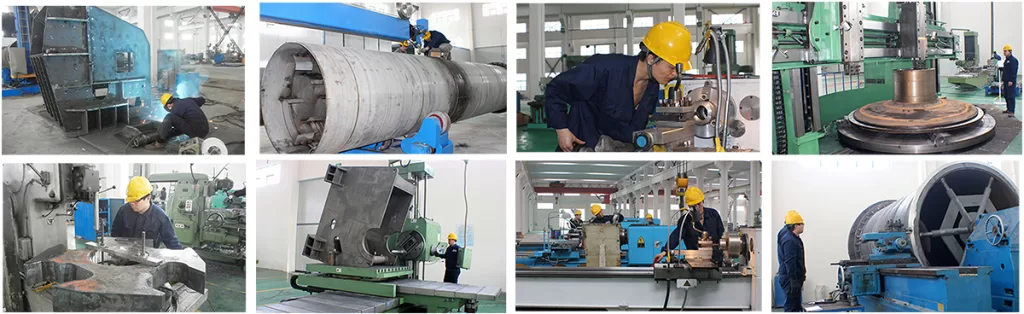
Factory Audit: If possible, visit the manufacturer’s factory. This gives you a good look at how they make things and control quality.
Contract Terms: Read contracts carefully. Check payment plans and how problems are handled. This protects your interests.
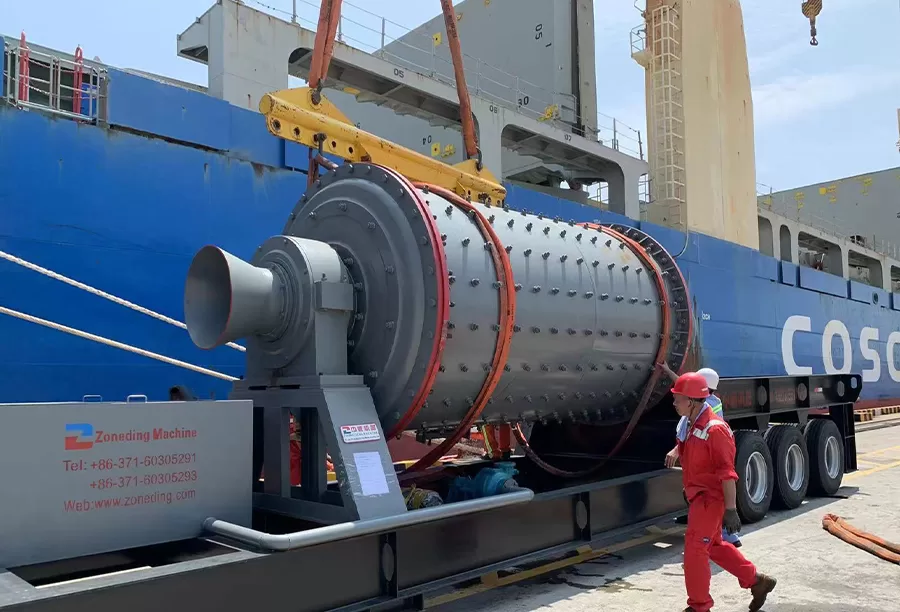
Logistics: Moving big grinding equipment like ball mills needs good planning. This includes shipping, customs, and local transport.
Installation, Commissioning, and Training: Make sure the supplier offers these services. This helps ensure a smooth start for your mineral processing plant.
Manufacturer Expertise: ZONEDING uses “Factory Direct Sales.” This makes the whole process easy. Our “Globalization” experience means smooth delivery and support to over 120 countries. This is vital for good industrial ball mill buying tips.
Essential Procurement Steps
Detailed Needs Assessment: Clearly define material, capacity, fineness, and budget.
Comparative Quote Analysis: Beyond price, compare specifications, services, and TCO to evaluate ball mill manufacturers comparison.
Supplier Vetting: Check reputation, experience, and global reach (like ZONEDING).
Comprehensive Contract: Cover all aspects from delivery to after-sales.
What are ZONEDING’s Strengths as a Ball Mill Supplier?
ZONEDING is a top ball mill supplier. We stand out because we offer a full approach. We are committed to making customers happy. Our strengths come from product quality, great service, and global reach. This makes us a strong choice in any ball mill manufacturers comparison.
Comprehensive Product Line and One-Stop Solution: We offer many ball mill types. These fit various jobs, from mining ball mill price to cement mill cost.
Customization Capabilities: We can make customized ball mill selection solutions. These meet your exact material needs, production goals, and site conditions.
Competitive Pricing: Our direct sales mean competitive ball mill cost. We sell directly as a manufacturer.
Full-Service Support: We provide help for the whole project. This starts with planning and design. It goes through manufacturing, installation, and after-sales help.
Strong Engineering Team: Our engineers make sure every ZONEDING ball mill uses advanced “Production Technology.” This guarantees high ball mill performance and long life.
Global Presence: We have sent products to over 120 countries. This ensures reliable delivery and local help worldwide.
2025 Trends in Ball Mill Technology: Beyond Price
The mineral processing equipment landscape continues to evolve, pushing the boundaries of efficiency and sustainability. Several key trends are shaping ball mill technology in 2025, moving the focus beyond just initial ball mill prices to long-term value and operational excellence in grinding mill investment.
Enhanced Automation and “Intelligentization”: Modern ball mills are becoming smarter. They integrate advanced sensors, online particle size analyzers, and AI-driven control systems. These systems automatically adjust feed rates, mill speed, and even media charge based on real-time data. This maximizes grinding efficiency and product consistency. ZONEDING is actively developing and incorporating such smart features into its grinding equipment.
Significant Energy Efficiency Improvements: With rising energy costs, ball mills are being engineered for even greater ball mill efficiency. Innovations include advanced liner designs for better transfer of impact force, optimized grinding media compositions, and high-efficiency motors paired with variable frequency drives (VFDs) for precise power control.
Advanced Wear-Resistant Materials: Research into new alloys and composite materials for liners and grinding media continues. These materials offer extended lifespan, reducing the frequency of replacements and associated downtime. This is particularly crucial for processing highly abrasive ores.
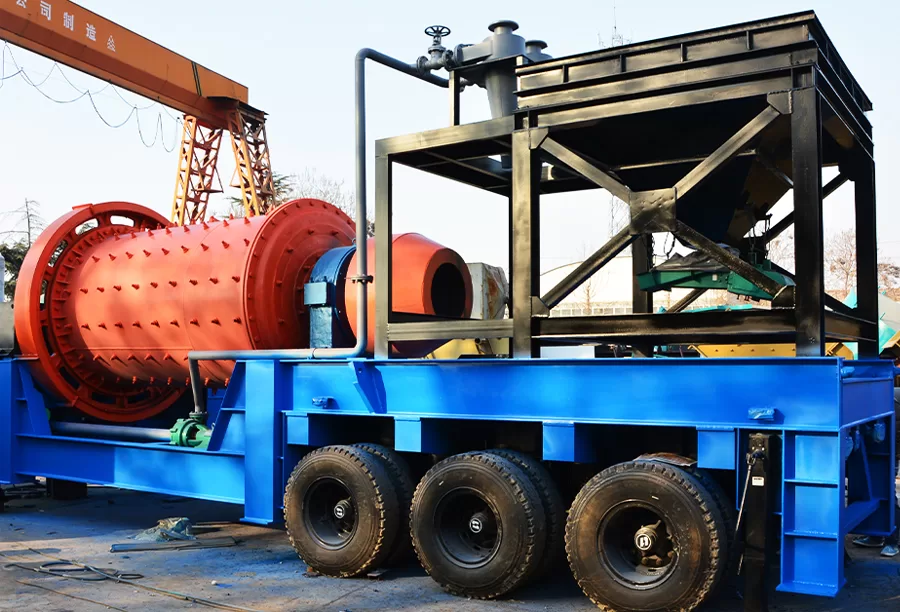
Modular and Factory-Assembled Solutions: To reduce on-site installation time and complexity, ball mills and their ancillary components are increasingly designed as modular, pre-assembled units. This simplifies logistics and accelerates plant commissioning.
Remote Monitoring and Predictive Maintenance: Connectivity features allow ball mills to transmit operational data to remote monitoring centers. This enables predictive maintenance, forecasting potential failures before they occur. This minimizes unscheduled downtime and optimizes maintenance schedules.
These trends signify a future where ball mills are not only more productive but also more intelligent, energy-efficient, and seamlessly integrated into the digital mineral processing plant. ZONEDING is at the forefront of incorporating these innovations into its advanced grinding equipment designs.
Common Questions About Ball Mills
Q1: Why do ball mill prices vary so much between manufacturers?
Ball mill prices vary due to differences in capacity, material quality (shell, liners), motor power, gearbox technology, automation features, origin of manufacture, and the extent of after-sales support and warranty offered. High-quality materials and advanced technology generally cost more but offer better long-term ball mill value.
Q2: What is the main difference between wet and dry grinding ball mills?
Wet grinding ball mills use water to create a slurry. This improves ball mill efficiency, reduces dust, and facilitates material transport. Dry grinding ball mills process material in a dry state. This is suitable for moisture-sensitive materials or applications where water is scarce.
Q3: How often do ball mill liners need to be replaced?
The replacement frequency of ball mill liners depends on the abrasiveness of the material being ground, the mill’s operating hours, and the liner material itself. Highly abrasive materials will wear out liners faster. Regular inspection and quality liner material, such as those from ZONEDING, can extend liner lifespan and reduce ball mill maintenance costs.
Q4: Can a single ball mill handle different types of materials?
A single ball mill can process different materials, but its efficiency and the resulting product quality may vary. For optimal ball mill performance, the mill’s liners, grinding media, and operational parameters (speed, fill level) should be chosen to match the specific characteristics of the material being ground. ZONEDING offers customization to adapt mills for versatile use. This is crucial for industrial ball mill buying tips.
Q5: What is the best way to extend the lifespan of a ball mill?
Extending a ball mill’s lifespan involves regular preventative maintenance, using high-quality wear parts (liners, grinding media), ensuring proper lubrication, and operating the mill within its design parameters. Timely replacement of worn components and adherence to manufacturer guidelines significantly contribute to longevity, directly impacting ball mill ROI.
Summary and Advice
Purchasing a ball mill involves carefully considering ball mill prices in conjunction with long-term value, performance, and specific processing requirements. A thorough understanding of the material to be ground, the desired fineness, and the operational environment is crucial. Factors like energy efficiency, ball mill maintenance costs, and durability heavily influence the Total cost of ownership ball mill, making the initial price only one part of the equation.
It is strongly advised to conduct a detailed needs assessment, compare technical specifications meticulously, and prioritize manufacturers offering robust after-sales support and customization. Partnering with an experienced manufacturer like ZONEDING, which provides “Comprehensive Product Line and One-Stop Solution,” ensures the selection of suitable mineral processing equipment. This approach ensures best ball mill price and is both cost-effective and highly efficient for specific applications. For a ball mill buying guide that truly combines value and performance, ZONEDING is a reliable choice.
From artificial sand core definition to key advantages for construction, this guide covers everything you need to know about this increasingly aggregate.
What are key differences between Hematite and Magnetite? A comparison of magnetism, streak color, chemical formula, crystal form, &iron content. Get answer NOW.
 Zoneding Mining