 Zoneding Mining

Site Search
Search products, equipment and solution articles
整站搜索产品中心新闻中心
点击开始搜索
热门搜索
UltraForm-MXFlexiPoly-RNanoForm Z300EcoFab P200
Search products, equipment and solution articles
You want to catch every single grain of gold in your mine. To do this, you need a final cleaning stage that does not let any gold escape. A gold shaking table is the best tool for this job. It uses a vibrating deck and flowing water to separate heavy gold from light waste sand. If you choose the wrong table, you lose gold in your waste pile. If you choose the right one, you maximize your daily profit. We build these tables to handle different ore types and capacities. This guide helps you compare different models and choose the perfect table for your specific mining operation.
Last Updated: May 2026 | Estimated Reading Time: 17 Minutes
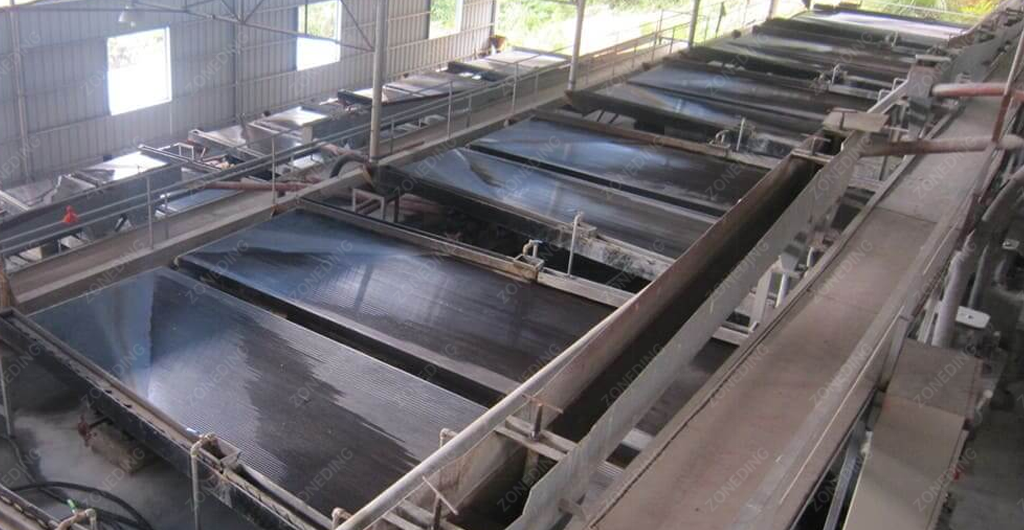
A gold shaking table is a gravity separation machine that uses a reciprocating motion to push heavy minerals to one side of a deck. You feed a slurry of crushed rock and water onto the table. The table shakes back and forth. This motion moves the heavy gold particles along the “riffles” (small ridges on the deck).
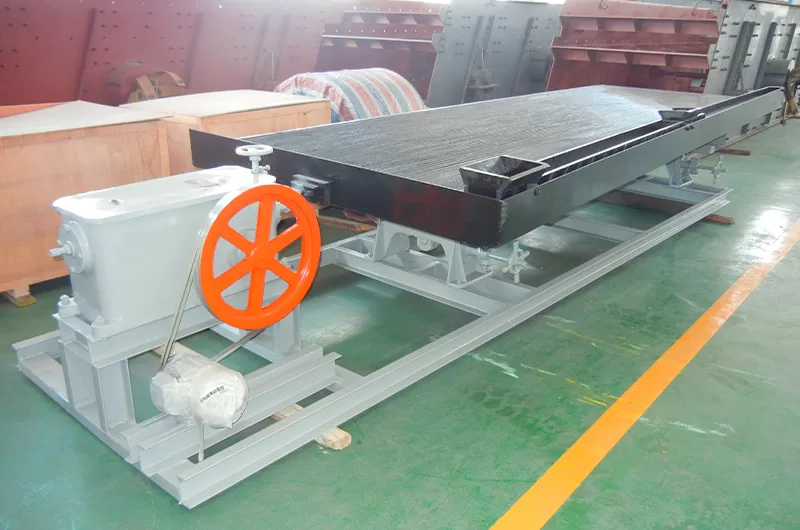
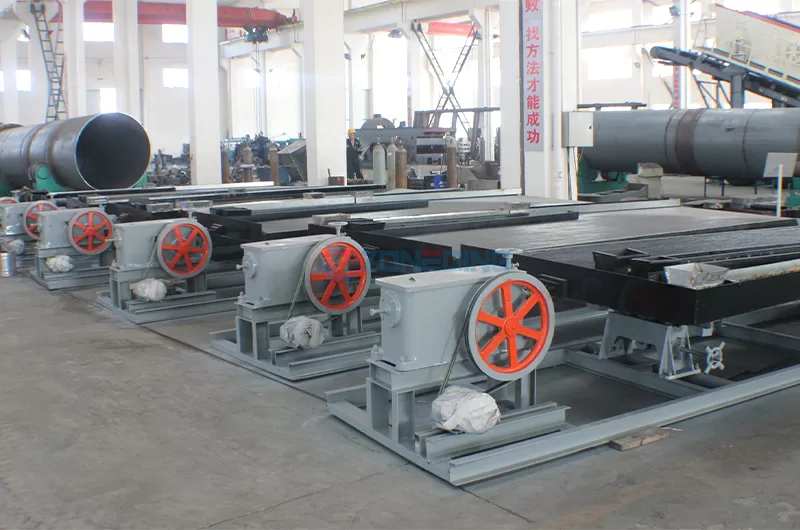
The water flows across the table in the opposite direction. The light waste sand washes over the riffles and falls into the waste bin. The heavy gold stays trapped behind the riffles and slides toward the concentrate end. ZONEDING manufactures these shaking tables using high-strength steel and wear-resistant rubber. Our tables are designed for “fine gold recovery,” which means they can catch gold particles that are almost invisible to the eye. This makes them the most critical piece of equipment in the final stage of your Mineral Processing Equipment line.
The most important part of using a table is seeing the “gold line.” This is the visible band of gold concentrate forming on the deck. You must adjust the water and the tilt to keep this line stable.
| Component | Function | Adjustment | Your Practical Benefit |
|---|---|---|---|
| The Deck | Holds the material | Change the tilt angle | Separates different metal weights |
| The Riffles | Traps heavy gold | Change riffle height | Catches finer or coarser gold |
| Water Valve | Controls flow | Adjust water volume | Washes away waste more cleanly |
| Drive Motor | Creates the shake | Adjust stroke length | Moves gold faster or slower |
You must choose a table based on whether you are processing bulk material or cleaning a high-grade concentrate. Not all tables are the same. Some are built for speed, while others are built for absolute purity.
Rougher tables are large. They handle a high volume of material. They remove the bulk of the waste quickly. However, they are not very precise. You use a rougher table first to get a “rough concentrate.” Then, you send that concentrate to a cleaner table. Cleaner tables are smaller and have a more precise shaking motion. They produce a very high-purity gold concentrate that is ready for smelting. ZONEDING offers both sizes. We often sell them in pairs so you can run a two-stage cleaning process. This ensures that you get the maximum tonnage handled and the highest purity possible.
Your recovery rate depends on three things: the size of the gold, the angle of the table, and the water flow. If any of these are wrong, your gold ends up in the tailings pile.
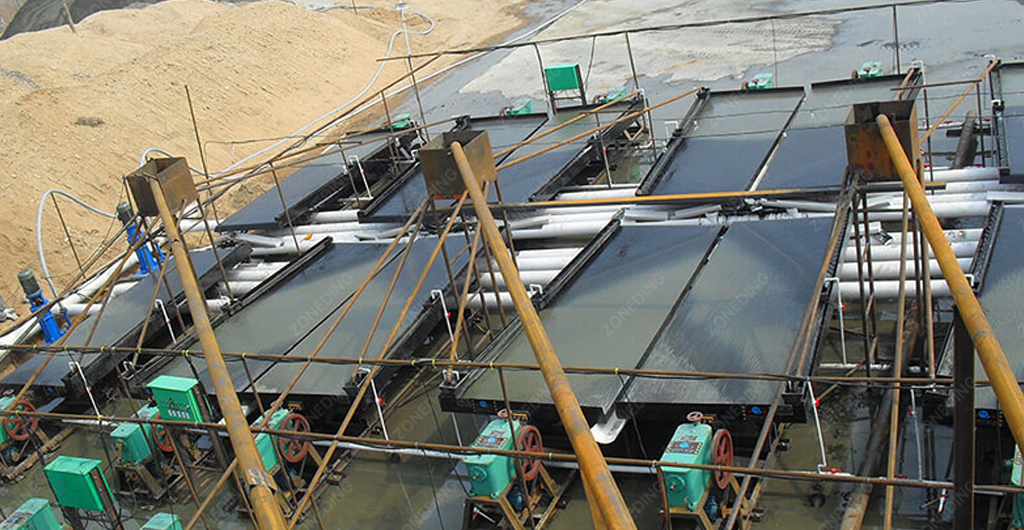
First, particle size is king. If your gold is still trapped in larger rocks, the table cannot catch it. You must use a Ball Mill to grind the ore into a fine powder first. Second, the tilt angle must match the weight of your gold. Heavier gold needs a steeper angle to move correctly. Third, water velocity must be perfect. Too much water washes the gold away. Too little water leaves waste sand in your concentrate. ZONEDING tables feature easy-adjust handles. This allows your operator to change the tilt and water flow in seconds without stopping the machine.
Large tables process more tons per hour but often have lower precision than small, specialized tables. You must balance how much you want to process against how much you can afford to lose.
| Table Scale | Tonnage per Hour | Recovery Precision | Best Use Case |
|---|---|---|---|
| Large (Industrial) | High (1-5 TPH) | Medium | Primary waste removal |
| Medium (Standard) | Medium (0.5-1 TPH) | High | Secondary cleaning |
| Small (Precision) | Low (0.1-0.5 TPH) | Ultra-High | Final concentrate polishing |
If you have a massive amount of raw ore, you need a high-capacity table. These tables have wider decks and stronger motors. They move a lot of material, but some fine gold might escape because the water flow is more turbulent. If you are processing a small amount of very rich concentrate, you need a precision table. These tables move slowly and use very precise water controls. They catch almost 100% of the gold. We recommend using a “pyramid” setup. Use one large ZONEDING rougher table to feed three smaller precision tables. This gives you the best of both worlds: high capacity and high precision.
A cheap shaking table often costs you more in lost gold than a high-quality table costs to buy. You must look at the “cost of lost recovery.”
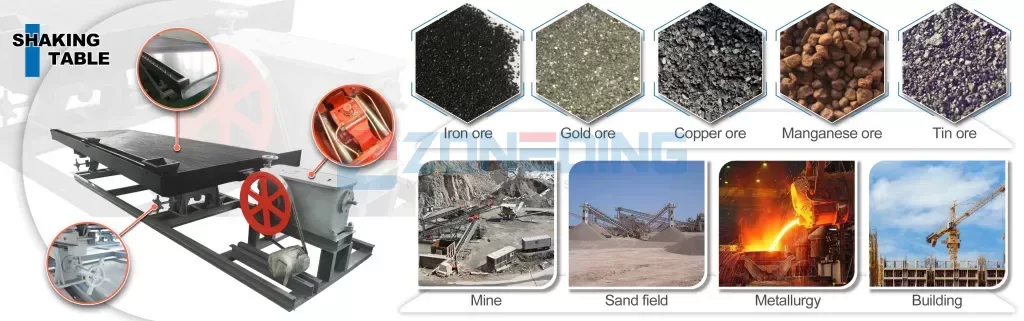
Low-cost tables often use thin steel and cheap rubber. The decks warp over time. When a deck warps, the water flow becomes uneven. This creates “dead zones” where gold is washed away. A ZONEDING table uses heavy-duty reinforced steel. Our decks stay flat for years. If a high-quality table catches just 2% more gold than a cheap one, it will pay for itself in a few months. Also, consider energy costs. We use high-efficiency motors that reduce your electricity bill. When you buy factory-direct from us, you avoid the 20-30% markup that agents add to the price.
The most common cause of table failure is riffle wear and motor bearing failure. Because gold ore is abrasive, the rubber on the deck will eventually wear down.
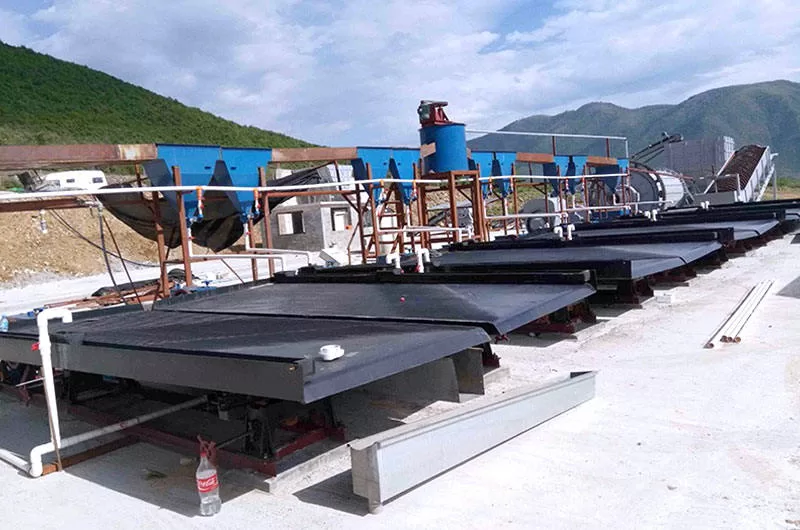
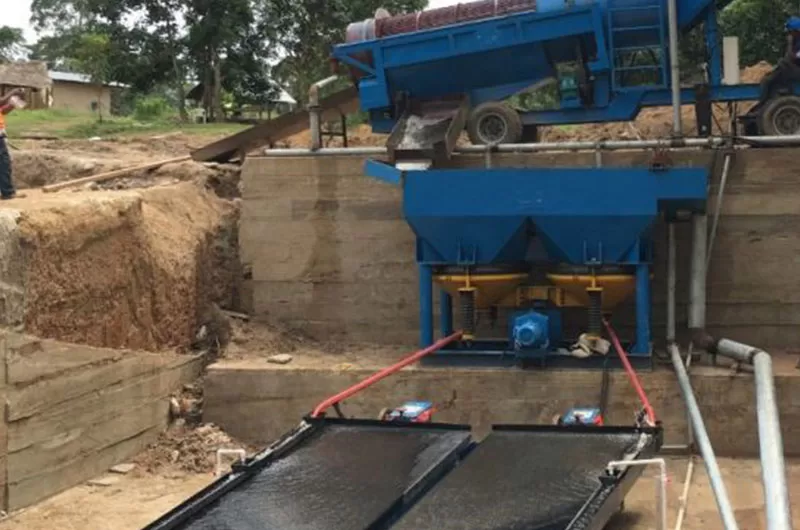
You must inspect your riffles every month. If the ridges look flat, you must replace the deck cover. If you keep using a worn deck, your recovery rate will drop. We provide replacement rubber mats for all ZONEDING models. Also, grease your drive bearings every two weeks. A dry bearing will overheat and burn out the motor. Keep the machine frame clean. Mud buildup on the frame can cause vibrations that ruin the shaking balance. We design our tables with “easy-access” motor mounts. This means your team can perform maintenance in minutes without needing specialized tools.
The main difference is that a shaking table is for final cleaning, while a centrifugal concentrator is for bulk recovery. You should not think of them as competitors. Instead, think of them as a team.
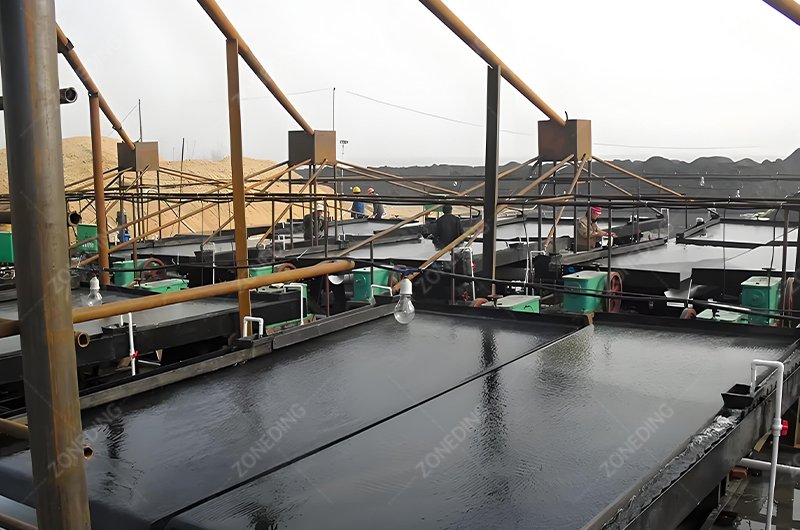
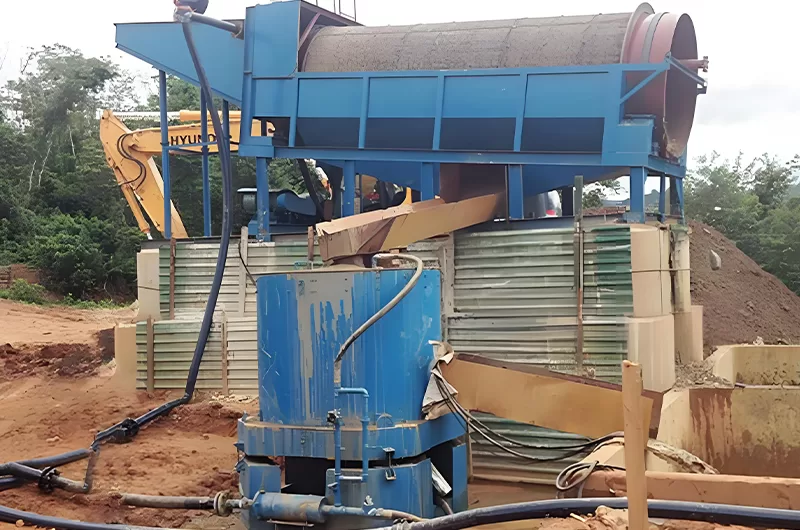
A centrifugal concentrator uses high-speed spinning to catch gold. It is very fast. It can process huge amounts of slurry in a short time. However, the “concentrate” it produces is still mixed with some heavy waste sand. You cannot smelt this material immediately. This is where the gold shaking table comes in. You take the concentrate from the centrifuge and put it on the table. The table then separates the gold from the remaining heavy sand with extreme precision. ZONEDING designs integrated systems that use both. We use the centrifuge to do the “heavy lifting” and the shaking table to do the “fine polishing.” This combination ensures you don’t lose time and you don’t lose gold.
Setting up a table requires a careful balance of the “Three Pillars”: tilt, water, and feed speed. If you rush this process, you will waste hours of production time.
First, level the machine frame. Use a spirit level to ensure the legs are steady. If the frame is crooked, the shaking motion will be uneven, and your gold line will curve. Second, set your initial tilt. We recommend starting with a medium angle. Third, start the water flow. Adjust the valve until the water covers the deck in a smooth, glass-like sheet. Finally, introduce your slurry slowly. Watch the gold line. If the gold is moving too fast toward the waste, flatten the angle. If the gold is not moving toward the concentrate end, increase the tilt. ZONEDING provides a detailed “Quick-Start” manual with every table. Our engineers also offer video calls to help your team calibrate the machine for the first time.
Most recovery problems are caused by “overloading” the deck or using the wrong water pressure. When your recovery rate drops, you must look at the deck surface immediately.
If you see gold particles washing over the riffles into the waste, you are likely feeding too much material. The “bed” of sand becomes too thick. The gold cannot sink through the sand to hit the riffles. You must reduce your feed rate. If you see waste sand mixing into your gold concentrate, your water pressure is too low. The water is not strong enough to push the light sand away. Increase the water flow slightly. Another common issue is “channeling,” where the water carves a path through the sand. This happens if your deck is not level. ZONEDING tables use reinforced decks to prevent warping, but you should always check your leveling every few months. We help our clients set up a “Daily Check-List” to stop these problems before they cost you money.
A shaking table cannot work alone; it needs a steady supply of water and a consistent feed system. You must plan your site layout before the equipment arrives.
You need a reliable water pump and a header tank. A header tank ensures that the water pressure remains exactly the same, even if the pump fluctuates. If the water pressure jumps, your gold line will vanish. You also need a “Classification Tank” or a sump. You cannot pump raw slurry directly from a mine into a table. The particles must be sorted by size first. We recommend using a ZONEDING hydro-cyclone to remove oversized rocks before the slurry hits the table. Finally, ensure you have a concrete pad. Shaking tables create constant vibration. If you put them on soft soil, the machine will sink or tilt over time. ZONEDING provides the exact foundation dimensions for every model we sell, so your installation is fast and stable.
The industry is moving toward “Smart Gravity” and composite materials to increase the recovery of ultra-fine gold. Manual adjustment is becoming a thing of the past.
ZONEDING is leading these changes. We are developing “Self-Tuning” tables that can detect the gold grade and adjust the tilt automatically. We are also focusing on water-saving designs. Our new tables use 30% less water while maintaining the same recovery rate. This is critical for mines in dry regions like Australia or Chile.
Choosing the best gold shaking table comes down to matching the machine to your gold size and your production goals. For bulk waste removal, use a large rougher table. For high purity, use a small precision table. Always remember that the table is only as good as the feed it receives.
Next Step: Do not guess which table you need. Send us a sample of your concentrate today. Our engineers will run a test on our ZONEDING tables and tell you exactly which model and riffle pattern will maximize your gold recovery.
Last Updated: May 2026
The ultimate guide to stone washing machines. Covers wheel vs. spiral washers, process flow, pricing factors, and maintenance tips. Master sand washing today.
View details
Looking to improve your sand and gravel making process? This guide provides practical tips on optimizing your operations, reducing waste, and increasing output.
View details
Discover 5 strategies to turn tailings and waste rock into profitable assets, from recovering critical minerals to creating green construction materials.
View details
Explore the full lifecycle of an aggregate processing plant. Learn about crushing, screening, washing, and every stage involved in producing aggregates.
View details