 Zoneding Mining

Site Search
Search products, equipment and solution articles
整站搜索产品中心新闻中心
点击开始搜索
热门搜索
UltraForm-MXFlexiPoly-RNanoForm Z300EcoFab P200
Search products, equipment and solution articles
You want to know how to extract silver from ore efficiently. This exact process requires mechanical steps and chemical reactions. First, you break large raw rocks into tiny dust. Then, you separate the valuable silver from the waste rock. Using the correct machinery guarantees high metal recovery rates. This guide shows you the exact steps to build a profitable processing plant. We explain every stage from initial crushing to final chemical extraction.
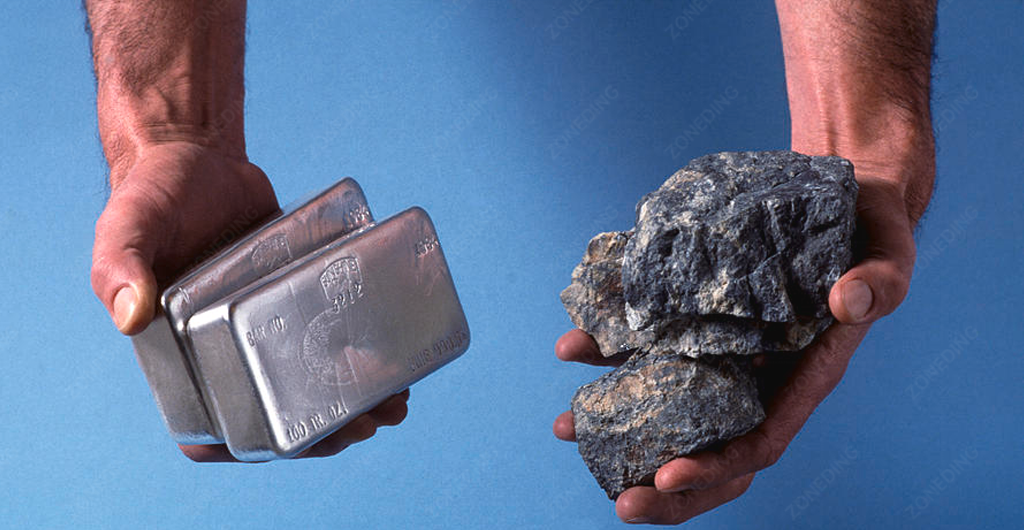
Last Updated: May 2026 | Estimated Reading Time: 16 Minutes
We extract silver because modern technology relies entirely on its unique conductive properties. Silver conducts heat and electricity better than any other metal on earth. Global industries consume over 1 billion ounces of silver every single year. The natural supply of easy-to-reach pure silver is shrinking fast. We must process lower-grade rocks constantly to meet this massive demand. Extracting silver from raw ore creates a highly profitable business for mining companies worldwide.
You cannot build modern solar panels or electric cars without pure silver. As the world moves toward green energy, the demand for this metal grows daily. You have a massive opportunity to supply this booming market. To do this profitably, you need reliable Mineral Processing Equipment to keep your daily operating costs low. ZONEDING builds heavy-duty separation systems that recover silver from very poor-quality rocks. We help you turn cheap waste dirt into high-value metal safely. Our flotation and leaching machines ensure you capture every tiny particle of silver efficiently. You maximize your daily financial returns while supplying a critical material to the global market.
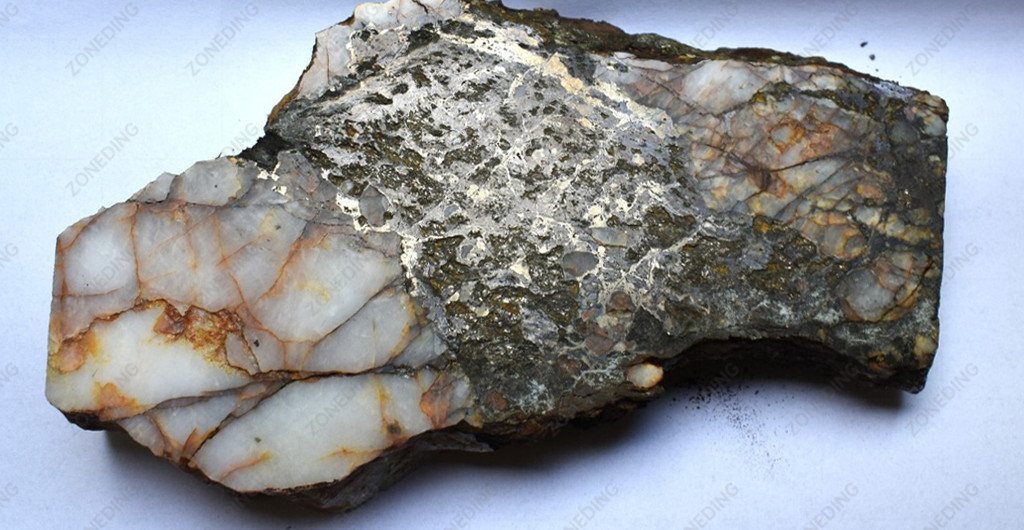
You find silver ore mostly hidden inside mountains alongside copper, lead, and zinc deposits. Over 70% of the world’s silver comes as a byproduct of mining these other heavy metals. Mexico, Peru, and China currently produce the largest amounts of silver globally. Miners rarely find solid blocks of pure silver in nature anymore. You must dig deep underground or create massive open pits to reach the metal-rich rock veins.
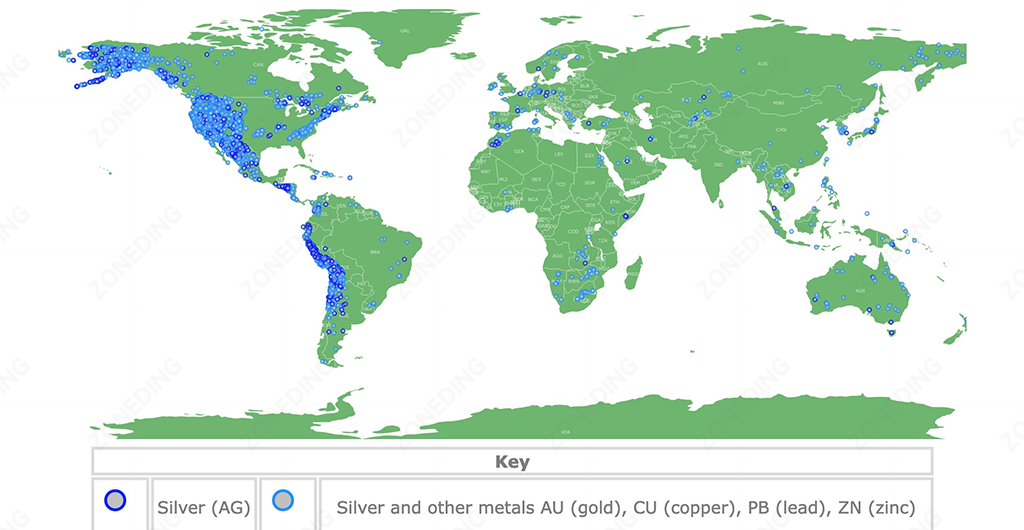
You must look for specific volcanic rock formations to find good silver deposits. Many profitable mines exist in the high mountains of South America and the dry deserts of Australia. When you discover a good rock vein, you need strong machines to break the hard earth.
Industrial manufacturing uses over 50% of all silver extracted globally today. Silver is the ultimate raw material for electrical contacts, solar panels, and medical devices. A standard solar panel requires about 20 grams of pure silver paste to function properly. Medical companies use silver to coat bandages because it kills dangerous bacteria instantly. Investors and luxury jewelry makers consume the remaining global supply for physical wealth storage. The diverse applications of silver guarantee a stable, high price for your mined metal.
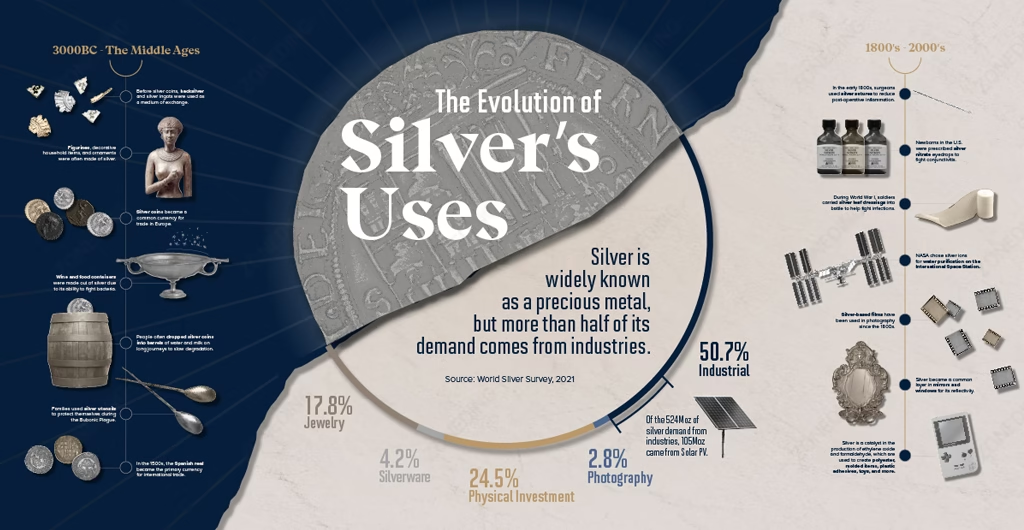
You use silver products every single day without noticing. Every smartphone and computer contains tiny silver parts to move electricity fast. As electric vehicles replace gas cars, car factories need millions of ounces of silver for battery connections. To feed these hungry factories, your mining plant must run without sudden stops.
Crushing reduces massive raw rocks into manageable small stones. You cannot extract silver from solid giant boulders. The machine applies massive physical force to shatter the hard rock. This step prepares the rough material for the next milling stage.
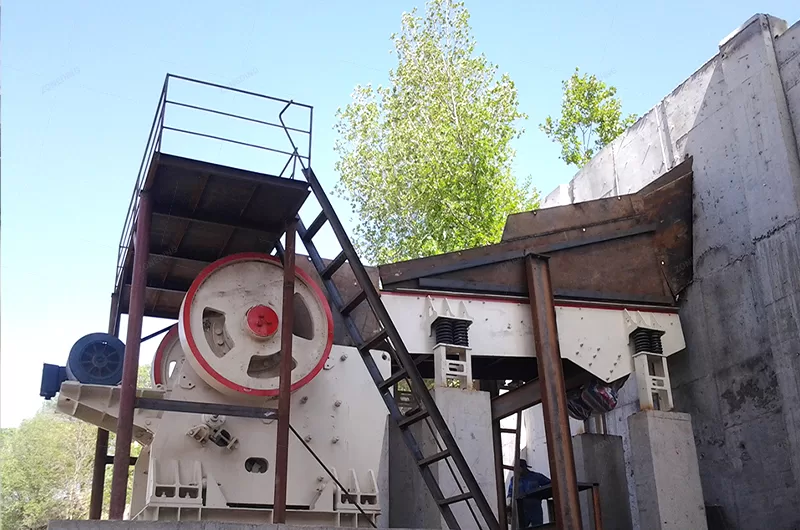
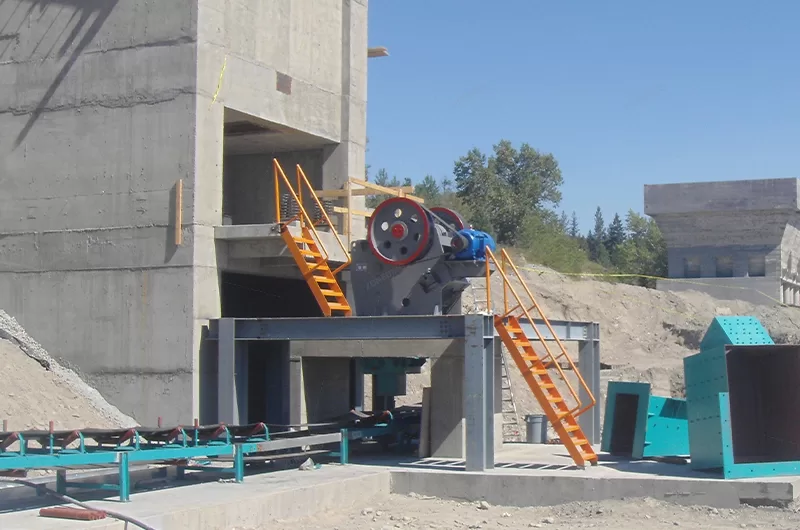
Large rocks enter your plant directly from the mine. You must shrink them before any chemical process begins. We always start the silver extraction process with a primary crusher. ZONEDING designs heavy-duty primary crushers for this exact daily task. Our machines break hard quartz and volcanic rocks easily. We use thick manganese steel plates to withstand extreme abrasion. Breaking the rocks early saves massive amounts of electricity later. You reduce the physical workload on your secondary machines instantly. A strong Jaw Crusher performs this heavy work safely. It grips the large stones and cracks them into smaller pieces. You then send these smaller pieces forward on a conveyor belt.
The gap at the bottom of the machine dictates your stone size. You must adjust this gap correctly. A tight gap produces very small stones. A wide gap produces larger rocks. We use simple hydraulic systems to change this gap fast.
| Crushing Stage | Input Rock Size | Output Rock Size | Your Practical Meaning |
|---|---|---|---|
| Primary | 500mm – 800mm | 100mm – 150mm | Breaks huge boulders quickly |
| Secondary | 100mm – 150mm | 20mm – 40mm | Prepares stones for the mill |
| Tertiary | 20mm – 40mm | 5mm – 10mm | Maximizes grinding efficiency |
Grinding turns small stones into microscopic fine powder. This fine powder exposes the hidden silver particles to water and chemicals. The machine uses heavy steel balls to smash the rocks repeatedly inside a rotating drum.
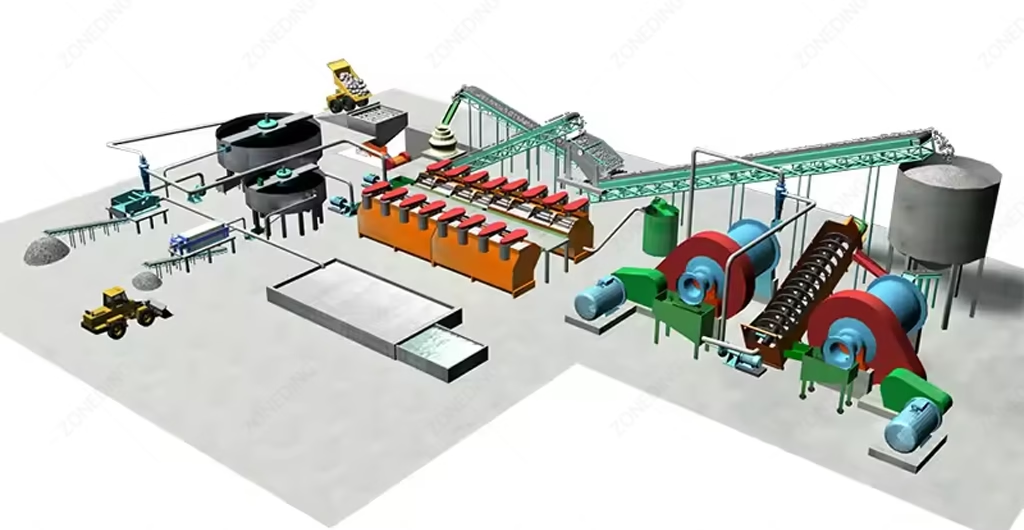
You cannot separate silver if it remains trapped completely inside the waste rock. You must free the silver physically first. We use a wet Ball Mill to achieve this microscopic powder size. The mill mixes the raw stones with clean water. It grinds them into a thick liquid slurry. ZONEDING engineers our grinding mills with precision large gear systems. These systems maintain a perfectly stable rotation speed all day long. A stable speed ensures a uniform powder size. Proper grinding is the absolute foundation of reliable silver ore processing equipment. If you skip this step, your chemical recovery will fail completely. The water carries the fine powder out of the machine automatically.
You must check the thickness of the liquid slurry constantly. A thick slurry means the rocks need more grinding time. A thin slurry means the powder is ready. We use a spiral machine to measure this powder size automatically.
| Grind Size Target | Silver Exposure | Power Cost | Your Practical Meaning |
|---|---|---|---|
| Coarse (150 microns) | Poor | Low | You lose valuable metal |
| Medium (75 microns) | Good | Normal | Best balance for daily profit |
| Fine (30 microns) | Excellent | Very High | Wastes electricity on over-grinding |
Flotation uses chemical bubbles to lift pure silver to the surface. We add special liquid chemicals into the thick water slurry. These chemicals make the silver particles stick firmly to air bubbles. The bubbles carry the silver upward.
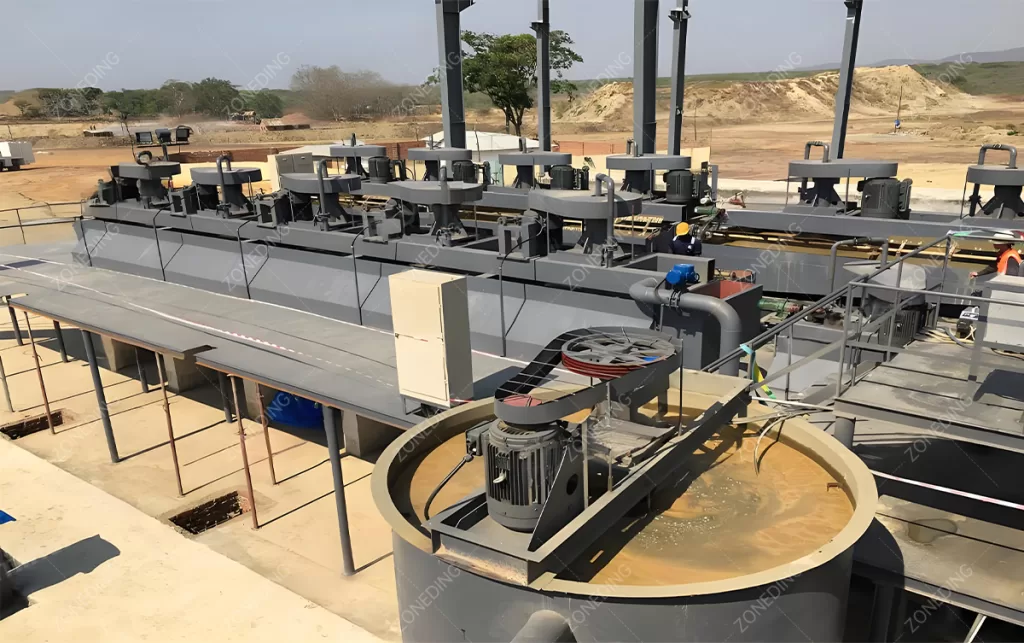
The waste rock remains at the bottom of the deep water tank. The valuable silver floats to the top as a rich thick foam. Workers scrape this foam off to collect the metal. This silver flotation process works exceptionally well for sulfide-based ores. ZONEDING manufactures highly efficient mechanical flotation cells for this step. Our machines inject compressed air deep into the slurry tank. This creates millions of tiny, stable bubbles constantly. We design the internal rotors to mix the water perfectly without breaking the bubbles. You collect pure silver concentrate quickly and safely. We line our tanks with thick rubber to stop the harsh chemicals from eating the steel.
Cyanidation uses a mild cyanide solution to dissolve pure silver. The chemical liquid acts exactly like a sponge. It absorbs the silver directly out of the fine rock powder. We then separate the rich liquid from the solid dirt.
You must select a reliable factory to build your processing plant. Buying cheap machinery destroys your daily production targets. Flimsy steel breaks quickly under heavy rock loads.
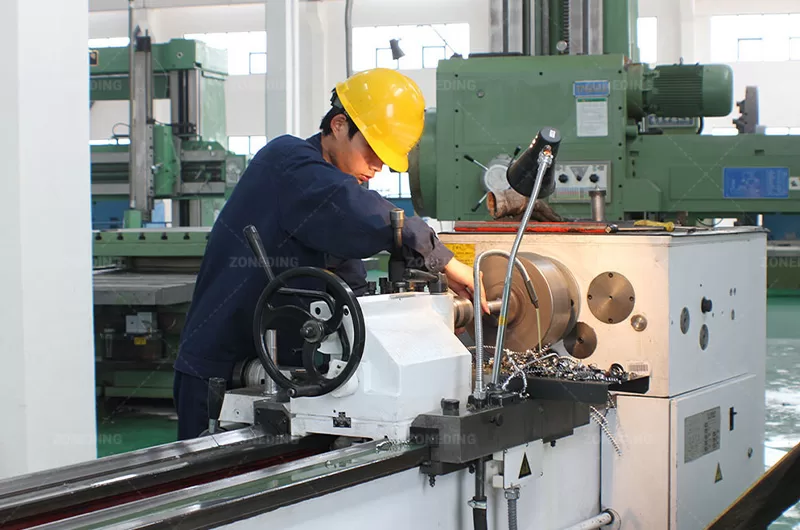
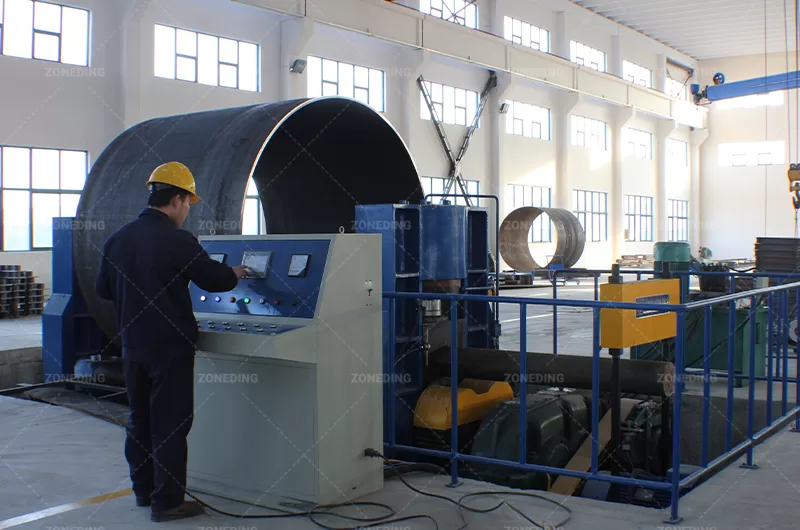
You need a supplier with genuine engineering experience. Look for heavy-duty welding on all machine frames. Standard welds crack under the extreme vibration of rock crushing. Factory-direct suppliers like ZONEDING remove hidden trading company fees entirely. We give you direct access to the actual machine designers. You can ask our engineers technical questions directly. We also maintain a massive inventory of metal spare parts. You receive replacement jaw plates fast when you need them. Do not buy from a supplier who ignores your specific rock chemistry.
The global silver mining industry focuses heavily on green chemical alternatives today. We see a massive shift away from toxic traditional chemicals. Automation now controls the daily extraction process to prevent human errors.
Global silver demand is rising fast due to new solar panel manufacturing. Solar panels require massive amounts of pure silver. Mines must process lower-grade rocks to meet this huge demand. This requires highly efficient Mineral Processing Equipment to separate tiny amounts of metal. ZONEDING builds intelligent machines to extract maximum value from poor-quality rocks. You lower your daily operating costs and maximize your metal output. We help you stay profitable even when the raw ore quality drops.
You now know how to extract silver from ore successfully. You must follow the steps carefully. Crush the large rocks into small stones first. Grind those stones into microscopic powder. Use flotation bubbles or chemical leaching to separate the pure metal.
Next Step: Stop losing valuable silver in your waste rock. Contact our engineering team today. Send us your rock details. We will design a complete, custom processing line to maximize your daily profit.
Last Updated: May 2026
This guide covers the essential stages: crushing, grinding, and various beneficiation methods like gravity separation, magnetic separation, and flotation.
View details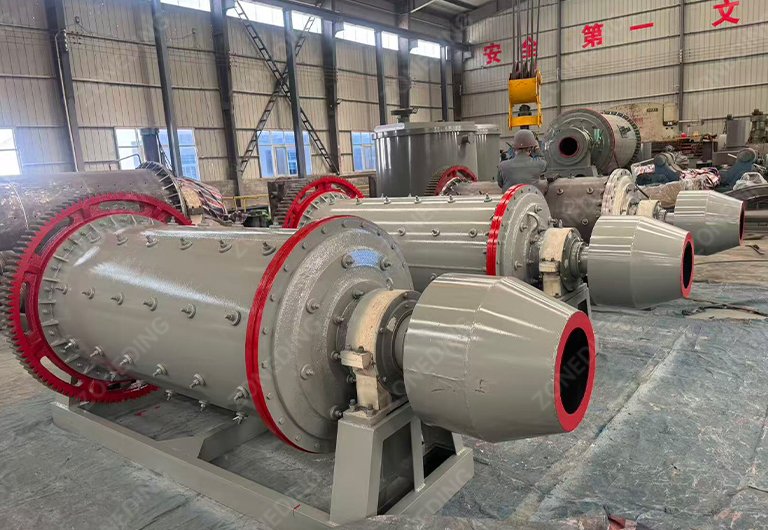
Master ball mill maintenance with our expert guide. Learn about daily inspections, lubrication system, and key strategies to prevent sudden mechanical failure.
View details
Looking for answers? We list 7 essential facts about limestone. 1. It's sedimentary. 2. Made of calcite. 3. Used in concrete. Click to read the full list.
View details
You know silica sand is used for glass, but what about in electronics, paints, or golf courses? Discover applications of silica sand.
View details