 Zoneding Mining

Site Search
Search products, equipment and solution articles
整站搜索产品中心新闻中心
点击开始搜索
热门搜索
UltraForm-MXFlexiPoly-RNanoForm Z300EcoFab P200
Search products, equipment and solution articles
You need a spiral classifier to separate fine valuable powder from coarse waste sand inside a wet slurry. Its daily performance controls the final particle size of your entire grinding production line. Understanding the top 5 factors affecting the working efficiency of spiral classifiers helps you stop massive energy waste immediately. When this machine fails to separate minerals correctly, you lose valuable heavy metals into the waste stream. Fine-tuning simple mechanical settings directly increases your daily processing output.
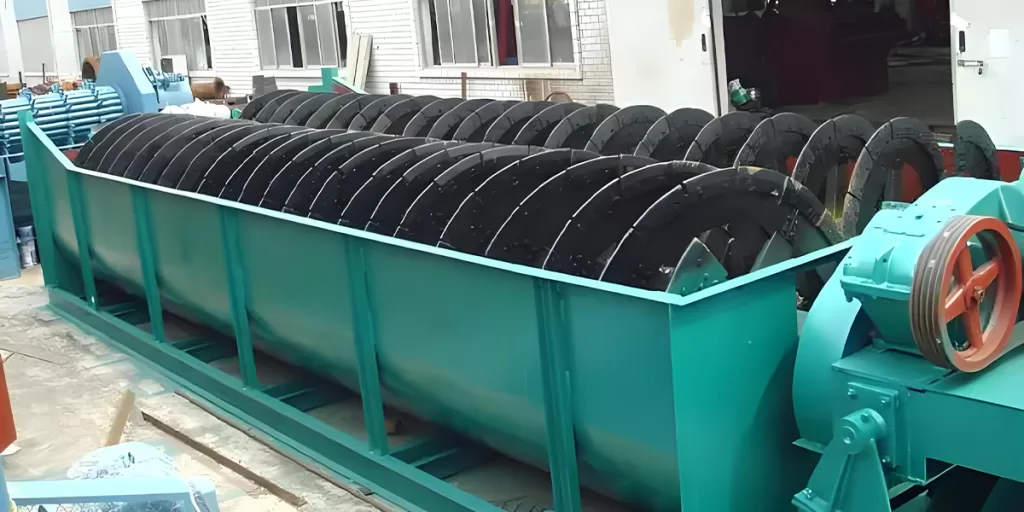
Adjusting parameters like water volume, weir height, and rotation speed saves significant amounts of electricity. A perfectly tuned machine ensures that only properly ground material moves to the next chemical stage. If the machine sends large rocks forward, it ruins your chemical flotation process completely. We focus heavily on creating stable, easily adjustable machines to prevent these exact problems. This guide explains the five most critical elements that control separation performance. We provide direct, simple methods to fix them and keep your plant profitable.
Last Updated: May 2026 | Estimated Reading Time: 18 Minutes
Pulp density controls the exact settling speed of the ore particles inside the water tank. If the slurry contains too much water, the liquid becomes very thin. Heavy coarse particles sink to the bottom instantly. This creates a highly accurate separation process. However, excessively thin slurry drastically reduces the total amount of raw rock the machine can process per hour.
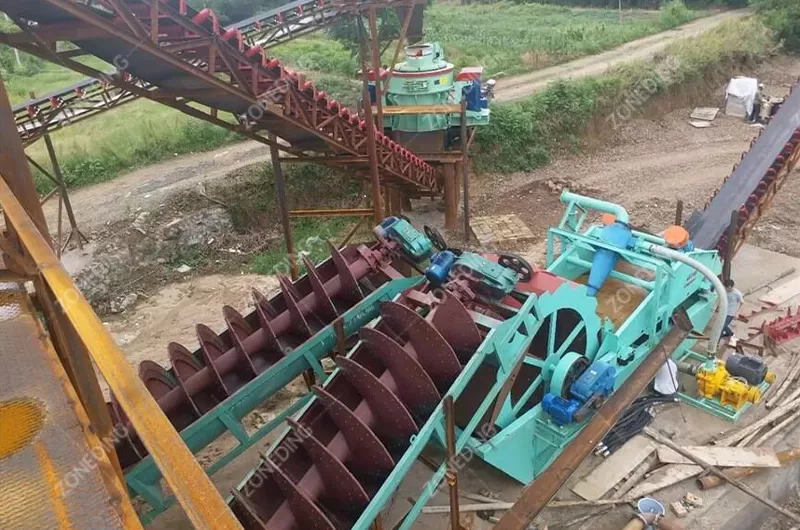
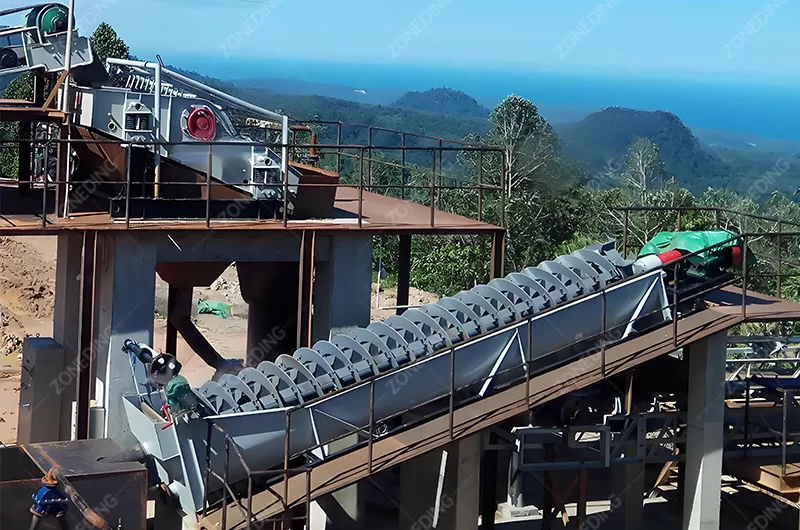
Water volume is the most frequent adjustment you will make during daily plant operations. You must maintain a strict density balance constantly to achieve high efficiency. A high-density slurry acts like thick, heavy mud. This thick mud prevents coarse rocks from sinking to the bottom. The large rocks float to the top and exit the machine with the fine powder. This ruins your final product quality completely. Conversely, a low-density slurry forces too much fine powder to sink. The spiral blades then push this valuable fine powder back into the Ball Mill. This specific error wastes massive amounts of electricity on useless over-grinding.
ZONEDING integrates automated water control valves directly into our classifier designs. These digital valves keep the internal liquid thickness perfectly stable throughout the day. Stable liquid density guarantees consistent mineral recovery rates without manual guessing from your operators.
The physical thickness of the fluid dictates all particle movement inside the tank. Heavy minerals fall much faster in thin water. Light minerals float easily to the surface. You must adjust the fresh water input immediately if the geological hardness of your raw rock feed changes. Consistent water pressure is strictly required for stable operation.
| Pulp Density Level | Particle Settling Speed | Overflow Quality | Your Practical Action |
|---|---|---|---|
| High (Thick Mud) | Very Slow | Coarse rocks escape | Add fresh water immediately |
| Medium (Optimal) | Normal | Clean fine powder | Maintain current valve settings |
| Low (Thin Water) | Very Fast | Ultra-fine only | Reduce water input to boost output |
The speed of the turning spiral controls the liquid agitation and the sand transport rate. A fast rotation creates strong, turbulent waves in the water. These waves lift heavy coarse particles directly into the overflow area. A slow rotation keeps the water completely calm. This calm water allows only the finest dust to float.
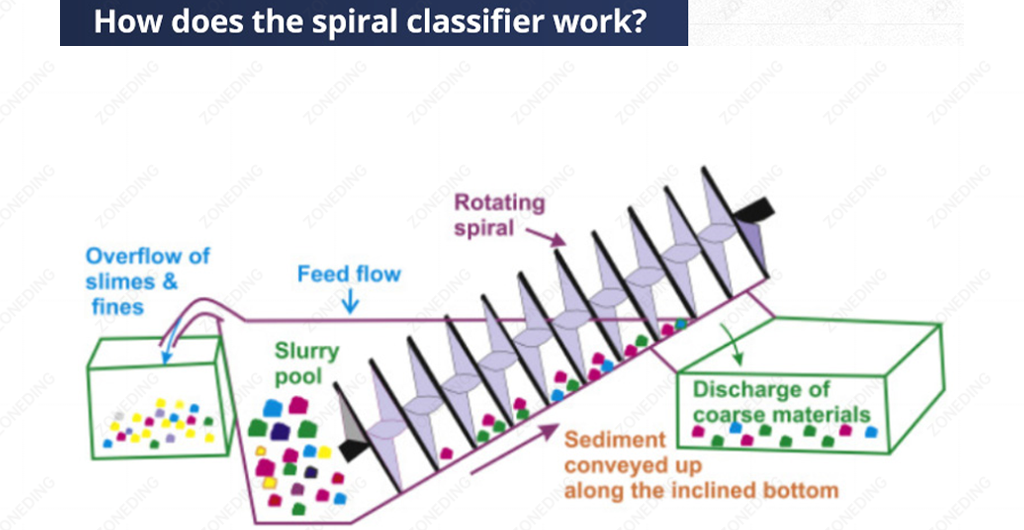
Speed adjustments directly change your final particle size. High speeds work excellently for coarse classification tasks. They allow the plant to process massive volumes of rock very quickly. However, fast speeds completely destroy fine classification. The violent water turbulence prevents tiny particles from settling properly to the bottom of the tank. Low speeds create a perfectly calm pool. This calm pool is strictly necessary for producing high-quality ultra-fine powder. However, running the blades too slowly reduces the total amount of sand returned to the mill.
ZONEDING installs highly durable variable frequency drives on all our classification units. This technology allows you to tune the rotation speed precisely from a digital control panel. This ensures maximum working efficiency for both fine and coarse separation targets without changing mechanical gears.
The overflow weir acts as a physical wall that determines the total depth of the settling pool. A high weir creates a deep, calm pool of water. This deep water allows more time for particles to sink. This setup produces a very fine overflow product.
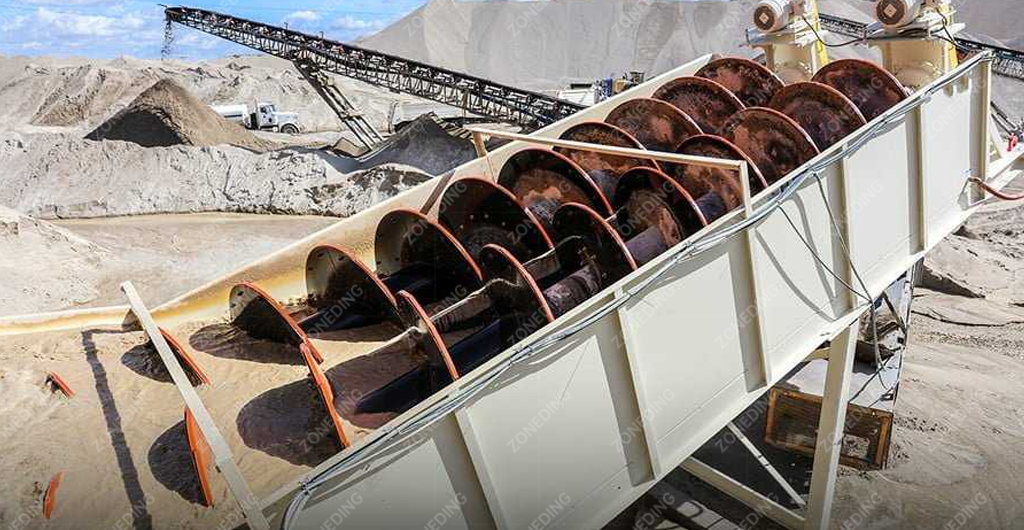
Adjusting the weir height is a very simple mechanical change. You manually add or remove wooden or steel blocks at the lower discharge end of the machine. A shallow pool forces the liquid to exit the tank very quickly. This high flow speed carries larger, coarser rocks straight out of the machine. If your plant needs a finer final product, you simply raise the weir wall. The deep water slows down the entire flow rate naturally. Large rocks sink safely to the bottom. Only the lightest dust escapes over the top wall.
ZONEDING classifiers feature easily adjustable weir plates on the lower end. Your operators can fine-tune the exact pool depth in just five minutes. They do not need to stop the entire Mineral Processing Equipment line to make this necessary change.
The physical slope of the water tank determines how effectively the machine lifts the heavy sand. An angle between 14 and 18 degrees is the standard setup for most minerals. If the angle is too steep, the heavy sand simply slips backward into the pool. The spiral blades lose their physical grip and cannot push the material uphill.
The inclination angle is permanently fixed during the initial equipment installation. You cannot change this angle easily later without breaking the concrete foundation. A steep tank forces you to run the machine at a much slower speed. This prevents material rollback but severely limits your total daily production capacity. A flat tank creates an entirely different problem. It increases the settling pool volume massively. This large pool makes the overflow product extremely fine but traps too much sand inside the machine.
ZONEDING engineers calculate the exact required angle based on the specific gravity of your target mineral. A perfectly angled ZONEDING tank ensures maximum lifting power. It also keeps the fine separation zone completely stable. You must select the precise angle before you pour the concrete factory floor.
The natural density, size, and clay content of your raw rock dictate how it behaves in water. Heavy ores like iron sink instantly. They require a thicker slurry to carry them properly. Light ores like coal float easily and require very thin slurry.
You cannot control the geological makeup of the raw ore you mine. However, you must adjust the machine parameters to match the rock exactly. Ore containing large amounts of clay creates a massive classification problem. The natural clay acts exactly like industrial glue. It thickens the water artificially. This heavy mud prevents the normal classification process completely. Heavy rocks float out with the fine powder because the water is too sticky. You must remove this sticky clay before the classification stage. A dedicated washing stage is mandatory for high-clay ores.
ZONEDING tests your raw ore thoroughly before starting any plant design. Our engineers adjust the machine specifications to handle your specific mud contents and mineral weights effectively.
Selecting the correct equipment manufacturer dictates the true efficiency of your plant. Buying a cheap classifier based only on the lowest price causes severe operational problems. Flimsy steel blades bend under the weight of heavy sand.
You must evaluate a supplier based on solid engineering and material quality. First, inspect the steel thickness of the spiral blades. Abrasive ores will destroy thin steel in weeks. Look for manufacturers that use high-manganese wear shoes on the blade edges. Second, check the main shaft structure. A hollow, weak shaft will snap under a heavy sand load. Third, prioritize factory-direct suppliers. Buying directly from a factory like ZONEDING removes hidden distributor costs. This gives you direct access to the actual design engineers. Finally, demand customized tank angles. A standard machine will not work efficiently for every single mineral type.
The mineral processing sector is shifting heavily toward digital automation. The main goal for 2026 is removing human guessing from the daily classification process completely.
Power costs are climbing rapidly across the globe. Mining companies demand equipment that prevents energy waste. Over-grinding is the biggest source of wasted electricity in a plant. The market now strictly requires highly accurate classifiers that prevent fine powder from re-entering the mill. ZONEDING responds to this market shift by equipping all new classifiers with precision speed controls. This focus on accuracy allows you to maximize your daily output while keeping power bills low.
Maximizing your daily output requires strict control over the top 5 factors affecting the working efficiency of spiral classifiers. Maintain the correct pulp density to ensure the heavy rocks sink quickly. Keep the rotation speed low enough to maintain a calm pool of water. Adjust the weir height precisely to control the exact size of your final product.
Next Step: Stop guessing the correct parameters for your equipment. Send a raw ore sample to our engineering team. We will test the material and provide a custom machine configuration to guarantee peak efficiency.
Last Updated: May 2026
Learn how to balance ball mill cost with ball mill's performance, ensuring you select a high-value machine that meets your processing requirements efficiently.
View details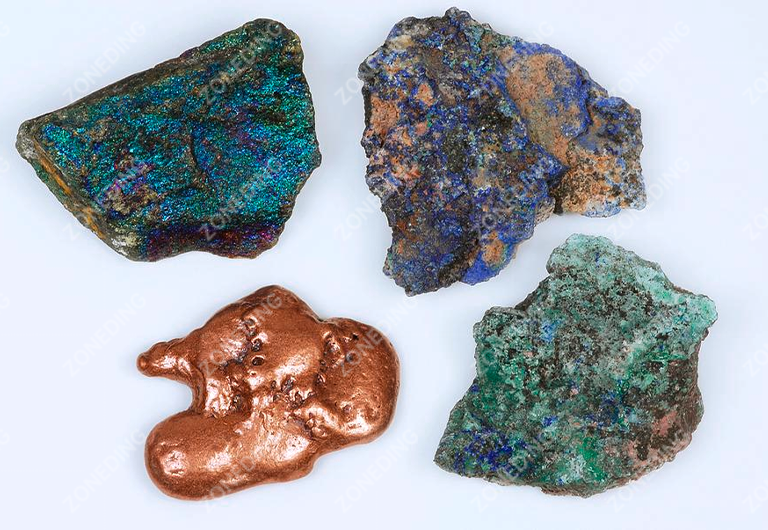
Wondering what are challenges when processing copper ore? Discover the main hurdles like declining ore grades and complex mineralogy, plus expert solutions.
View details
Keep your plant running efficiently. This crusher maintenance checklist covers critical daily inspections, weekly lubrication, and monthly wear part checks.
View details
Don't select the wrong crusher for your circuit. Learn to avoid costly mistakes in secondary, tertiary, & quaternary crushing stages from this ZONEDING's Blog.
View details