 Zoneding Mining

Site Search
Search products, equipment and solution articles
整站搜索产品中心新闻中心
点击开始搜索
热门搜索
UltraForm-MXFlexiPoly-RNanoForm Z300EcoFab P200
Search products, equipment and solution articles
Copper is a vital metal for electronics, construction, and green energy. However, mining and refining this metal is becoming increasingly difficult. The easy-to-mine copper deposits are mostly gone. Today, mining operators face severe obstacles that threaten daily profitability. You must process more rock, use less water, and manage higher energy costs just to maintain current output levels.
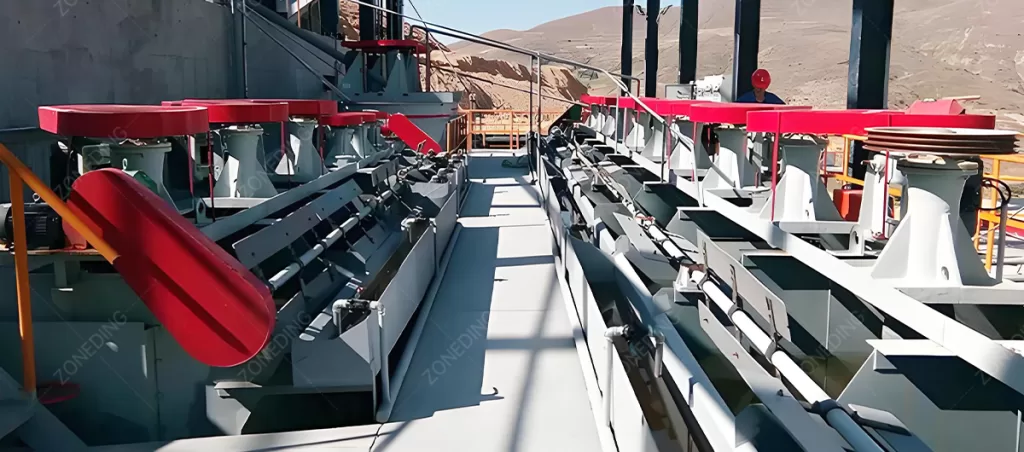
Understanding what are the challenges when processing copper ore is the first step to optimizing a processing plant. The main hurdles include declining ore grades, complex mineralogy, high energy consumption, and severe water scarcity. Equipment must work harder and longer to produce the same amount of valuable metal. ZONEDING provides specialized heavy-duty machinery designed to solve these exact problems. This guide outlines the most common obstacles in copper extraction and offers direct, actionable solutions to keep your operation profitable.
Last Updated: May 2026 | Estimated Reading Time: 19 Minutes
Declining ore grades mean you must mine and process massive amounts of waste rock to extract a small amount of copper. Decades ago, miners routinely processed ores containing 2% to 3% copper. Today, many large-scale mines operate with grades below 0.5%. This dramatic drop forces equipment to handle four to six times more material to achieve the same final metal output.
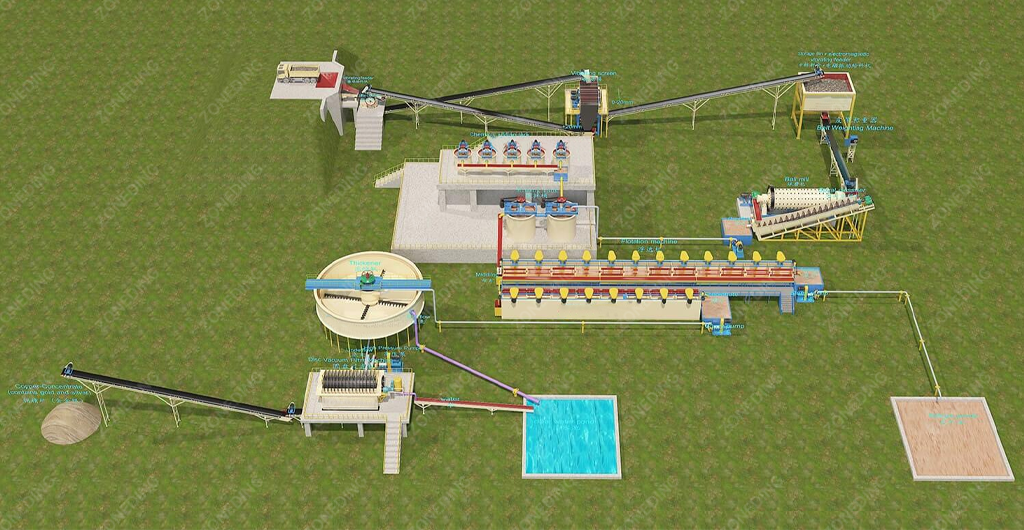
This massive increase in volume places extreme mechanical stress on the entire processing plant. Crushers wear out faster. Conveyor belts carry heavier loads. The overall operating cost per ton of final product skyrockets. If the machinery is not built for high-volume, continuous processing, the plant will suffer from constant breakdowns. ZONEDING addresses this specific challenge by manufacturing ultra-durable crushing equipment. By installing high-capacity machines that can run 24 hours a day without overheating, operators can handle massive volumes of low-grade ore profitably. The key is maximizing throughput while minimizing maintenance downtime.
Handling low-grade ore requires a flawless primary breaking stage. You must reduce the rocks to a manageable size quickly before sending them to the grinding circuit. Every extra millimeter of rock size costs money later in the process. Efficient waste sorting at the very beginning of the line prevents useless rock from consuming valuable energy in the ball mills.
| Ore Grade | Rock Needed for 1 Ton Copper | Machinery Stress Level | Your Practical Solution |
|---|---|---|---|
| High (2.0%) | 50 Tons | Low | Standard processing line |
| Medium (1.0%) | 100 Tons | Moderate | Increase crushing capacity |
| Low (0.5%) | 200 Tons | Severe | Implement pre-sorting and heavy-duty mills |
Complex mineralogy means the copper is mixed with other elements that make separation highly difficult. In the past, miners found clean copper sulfide ores. Today, a single ore body often contains a mix of sulfides, oxides, clay, and dangerous impurities like arsenic or lead.

You cannot use one simple chemical process to separate a complex ore. Sulfide ores respond well to standard froth flotation. Oxide ores require acid leaching. When these two types are mixed, standard recovery rates plummet. The clay content creates a thick slime that coats the copper particles, preventing them from floating. ZONEDING helps operations overcome complex mineralogy by designing custom Mineral Processing Equipment circuits. Instead of a single-stage process, ZONEDING engineers create multi-stage separation lines. These lines often combine gravity separation to remove heavy impurities first, followed by specific flotation cells tuned to different mineral types. This targeted approach ensures maximum recovery regardless of the geological complexity.
Smelters charge massive financial penalties if your final copper concentrate contains too much arsenic or lead. In severe cases, they will reject the shipment entirely. You must remove these impurities during the plant processing stage. This requires highly precise grinding to unlock the microscopic copper particles from the surrounding toxic minerals. If the grinding is too coarse, the arsenic stays attached to the copper.
Grinding rock into a fine powder consumes up to 50% of the total electricity used in a mining operation. As copper ores become harder and grades decline, the energy required to liberate the metal increases exponentially. High energy bills directly destroy profit margins.
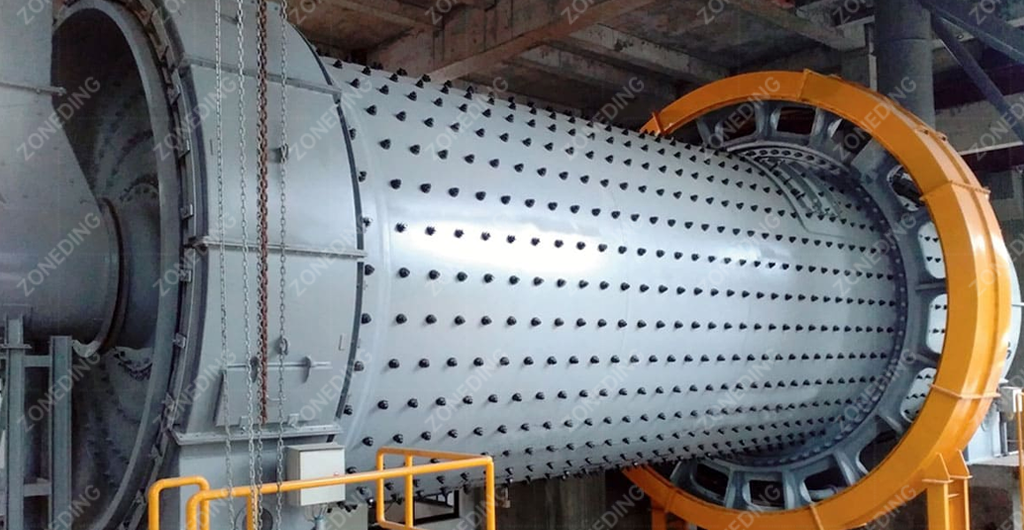
The ball mill is the largest energy consumer in the plant. If the mill runs inefficiently, a massive amount of electricity is wasted generating heat and noise rather than breaking rocks. This inefficiency usually happens because the incoming rocks are too large. ZONEDING solves this energy crisis by enforcing a strict “crush more, grind less” philosophy. ZONEDING provides high-efficiency secondary and tertiary crushers to ensure the rocks are extremely small before they enter the Ball Mill. Supplying a fine feed size allows the mill to operate strictly as a pulverizer. This completely eliminates the energy waste associated with breaking large rocks inside a rotating cylinder.
You must balance the steel media inside the mill. If you use balls that are too large for the incoming fine ore, you waste kinetic energy. If the balls are too small, they will not break the rock, forcing the machine to run longer. Proper classification is also critical. A highly efficient classifier ensures that correctly sized powder leaves the system immediately, preventing energy-wasting over-grinding.
| Inefficiency Cause | Energy Wasted | Solution | Impact on Your Plant |
|---|---|---|---|
| Large Feed Size | Very High | Add a secondary crusher | Huge drop in power bills |
| Wrong Ball Size | High | Adjust steel ball ratio | Faster mineral liberation |
| Over-grinding | Moderate | Upgrade the hydrocyclone | Increased daily output |
Copper extraction requires massive amounts of water, yet most major copper mines are located in extreme deserts. The flotation process relies entirely on a water-based slurry to separate the minerals. Without consistent access to fresh water, the entire plant must shut down.
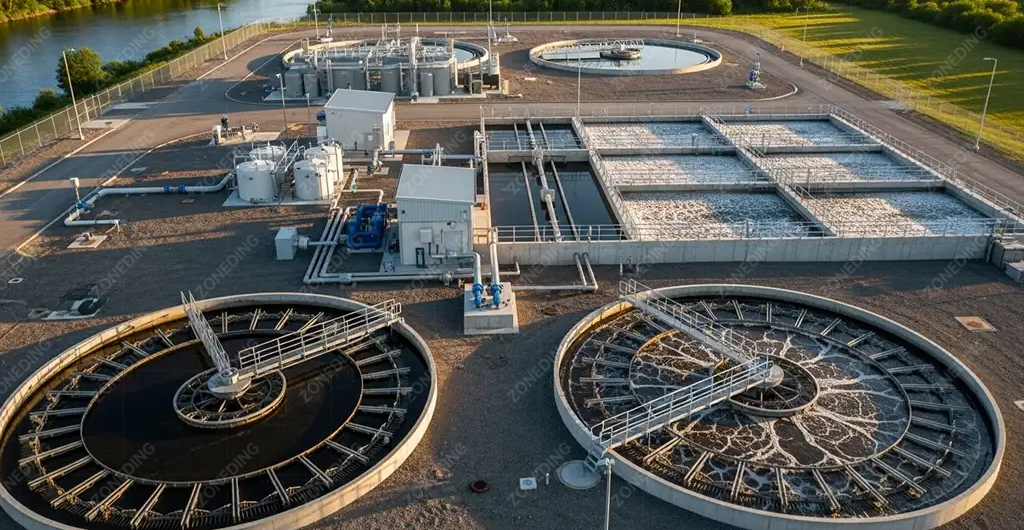
Securing fresh water rights is becoming nearly impossible in regions like South America and Africa. Environmental regulations demand that mines drastically reduce their water footprint. You cannot simply pump water from local rivers anymore. ZONEDING helps operators tackle water scarcity by integrating advanced dewatering and recycling systems directly into the plant design. By utilizing high-capacity thickeners and specialized dewatering screens, ZONEDING equipment extracts water from the waste tailings. This recovered water is instantly pumped back to the grinding and flotation stages. A well-designed system can recycle up to 85% of the total water used, making the operation highly resilient against droughts.
Traditional mines pump wet, muddy tailings into massive dams. This practice loses millions of gallons of water to evaporation and ground seepage. Modern plants use a “dry stacking” method. The waste material is squeezed dry using filter presses or thickeners. The resulting dry dirt is stacked safely, and the extracted water is reused immediately. This method eliminates the need for dangerous wet tailings dams and solves the fresh water shortage problem completely.
Selecting the right equipment manufacturer dictates the long-term success of any copper processing plant. Generic machinery often fails under the abrasive and continuous demands of copper ore. You need a partner capable of custom engineering.
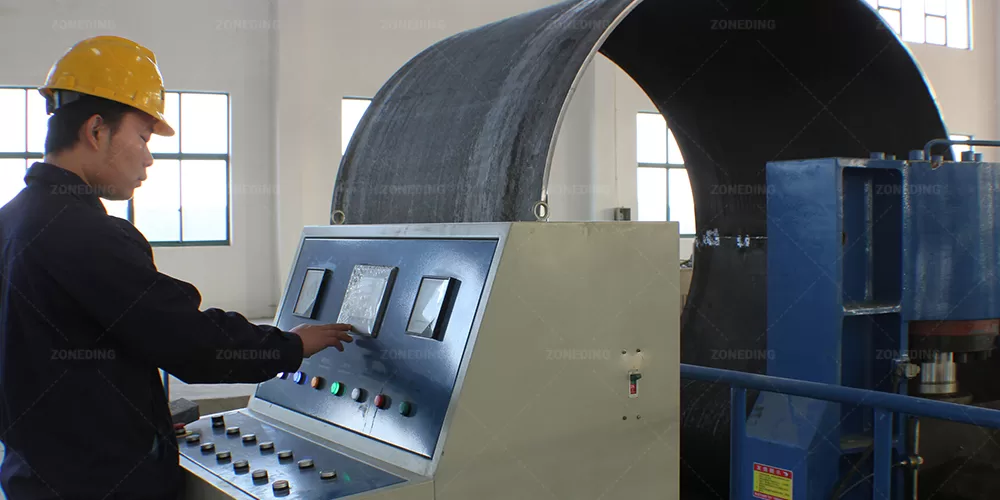
First, evaluate the supplier’s customization capability. Copper ores are unique. The supplier must test the exact hardness and chemical makeup of the rock before recommending equipment. Second, consider the build materials. Copper ore is highly abrasive. Look for equipment built with high-manganese steel and thick, wear-resistant liners. Third, prioritize factory-direct manufacturers. Purchasing directly from a factory like ZONEDING guarantees competitive pricing by removing middleman distributor margins. Finally, ensure the manufacturer offers complete, integrated solutions. Buying a crusher from one company and a mill from another often leads to mismatched capacities and severe operational bottlenecks.
The copper mining industry is adopting new technologies rapidly to combat declining grades and high costs. The focus for 2026 is automation and reducing the environmental footprint of extraction.
Global demand for copper is accelerating due to the electric vehicle market and renewable energy grids. However, strict environmental laws limit new mine approvals. Mining companies are heavily investing in upgrading existing processing plants rather than opening new sites. The market demands intelligent Mineral Processing Equipment that maximizes extraction from low-grade, historical tailings dumps. ZONEDING is responding by developing highly efficient, modular plants that can process these secondary resources with low capital expenditure.
Processing copper ore involves navigating declining grades, complex geology, high power bills, and water shortages. To overcome these challenges and maintain profitability, operators must focus on efficiency at every stage.
Next Step: Do not let inefficient machinery drain plant profits. Send an ore sample for professional analysis. A custom-designed processing circuit is the only reliable way to handle modern, complex copper ores.
Last Updated: May 2026

Think you know cone crusher liners? Our blog reveals surprising facts about selection, wear, and replacement that could save you time and money.
View details
This resource covers calculation methodologies, influencing factors, and advanced strategies for perfect grinding media loading and improved mill performance.
View details
New to construction materials? This guide breaks down 5 basic types of sand, from Pit Sand to M-Sand, explaining their properties in easy-to-understand terms.
View details
Learn how to transform waste concrete into aggregate. This guide covers the complete RCA processing workflow: crushing, screening, grading, and quality control.
View details