 Zoneding Mining

Site Search
Search products, equipment and solution articles
整站搜索产品中心新闻中心
点击开始搜索
热门搜索
UltraForm-MXFlexiPoly-RNanoForm Z300EcoFab P200
Search products, equipment and solution articles
The grinding stage consumes the most electricity in any mineral processing plant. Improving this process directly increases profit margins. Grinding machine efficiency depends on a complex balance of mechanical settings and material properties. When the system operates poorly, energy is wasted on heat and noise instead of breaking rocks. Recognizing the factors affecting grinding machine output is the first step to optimization.
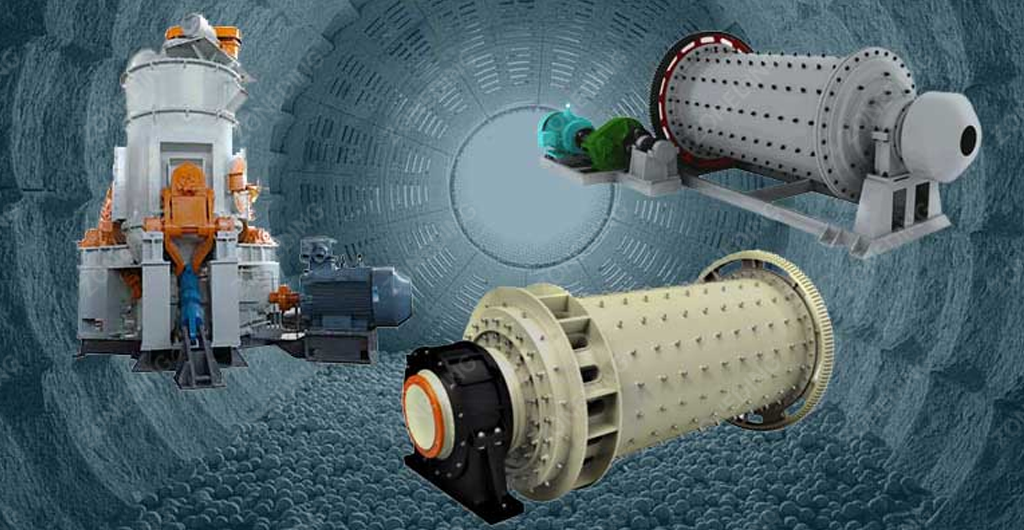
A well-calibrated machine produces a uniform product size. This is crucial for the downstream separation process. If the output is too coarse, valuable minerals are lost. If the output is too fine, electricity is wasted. ZONEDING focuses on aligning every mechanical parameter to achieve maximum output. This guide explains the seven critical elements that control mill performance and provides direct methods to improve them.
Last Updated: May 2026 | Estimated Reading Time: 20 Minutes
Ore hardness dictates how much energy is needed to break the rock into a fine powder. Harder rocks resist breaking, which slows down the entire operation. This resistance is measured by the Bond Work Index. A higher index means lower daily production.
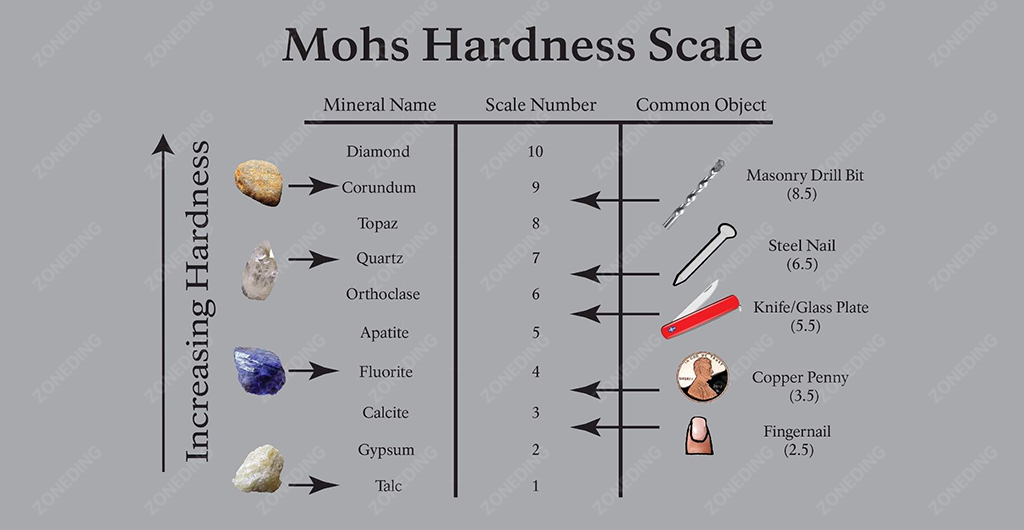
Ore hardness directly dictates how much energy is required to fracture the mineral structure. When the Bond Work Index is high, the rock is extremely abrasive and tough. This means the mill must rotate longer to reduce the rock to the target micron size. If the equipment setup ignores this hardness level, the daily output will drop significantly.
ZONEDING tackles this challenge by testing the raw ore extensively before installation. The company matches the motor power and the gear ratio to the exact hardness of the material. This precise alignment prevents motor overload. It also ensures the grinding machine working efficiency remains stable even when the geological characteristics of the rock change during extraction. Operators should always blend hard and soft ores on the stockpile before feeding them into the system. This blending process creates a uniform feed and prevents sudden, unpredictable drops in production capacity.
Understanding the exact hardness of the ore is non-negotiable for plant managers. Soft minerals like gypsum require very little energy to process. Conversely, hard minerals like quartz or iron ore demand robust machinery. If you feed quartz into a machine configured for gypsum, the steel balls will simply bounce off the rocks.
| Ore Type | Bond Work Index | Energy Required | Your Practical Action |
|---|---|---|---|
| Soft (Limestone) | Low (7-10) | Low | Increase feed rate to maximize output |
| Medium (Copper Ore) | Medium (11-14) | Moderate | Maintain standard ball charge ratio |
| Hard (Quartzite) | High (15-20) | High | Reduce feed size, use larger steel balls |
The size of the rocks entering the mill directly limits the maximum output capacity. The golden rule of mineral processing is to “crush more and grind less.” Crushing rocks is significantly cheaper and faster than grinding them.
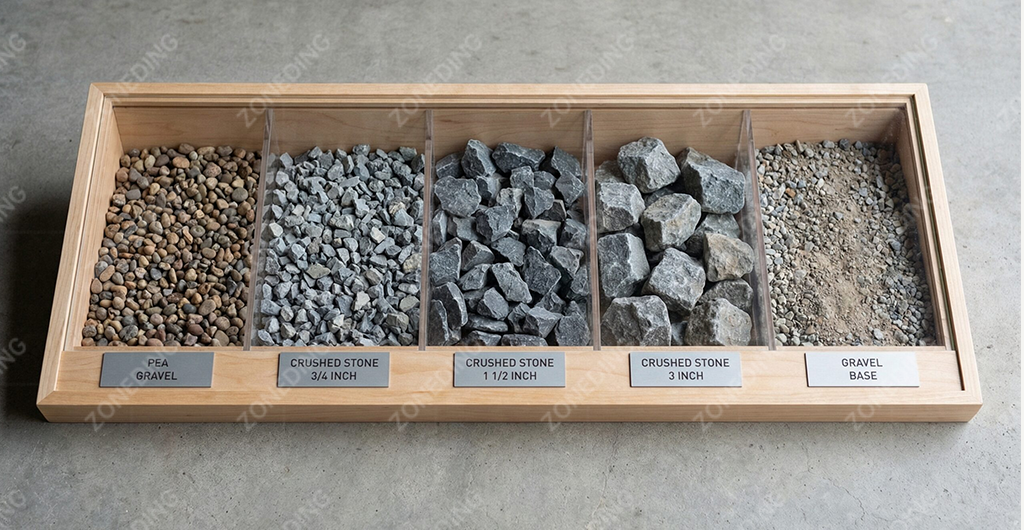
The size of the incoming material is perhaps the most controllable factor affecting grinding machine performance. If the rocks entering the cylinder are too large, the steel balls do not possess enough kinetic energy to shatter them upon impact. This forces the rocks to circulate endlessly inside the chamber, consuming valuable space and electricity. This bottleneck slows down the entire production line. Utilizing a highly efficient primary and secondary crusher before the milling stage solves this problem completely.
ZONEDING engineers integrate this fundamental philosophy into every complete plant design. By supplying a robust Jaw Crusher upstream, the rocks are reduced to less than 20 millimeters before they ever reach the grinding phase. This strategic reduction in feed size allows the mill to focus purely on pulverizing, rather than basic breaking. The result is a massive increase in overall daily output.
The steel balls inside the machine perform the actual work of breaking the ore. You must maintain the correct ratio of large to small balls, and the total volume of balls must be accurate. An incorrect media charge destroys efficiency.
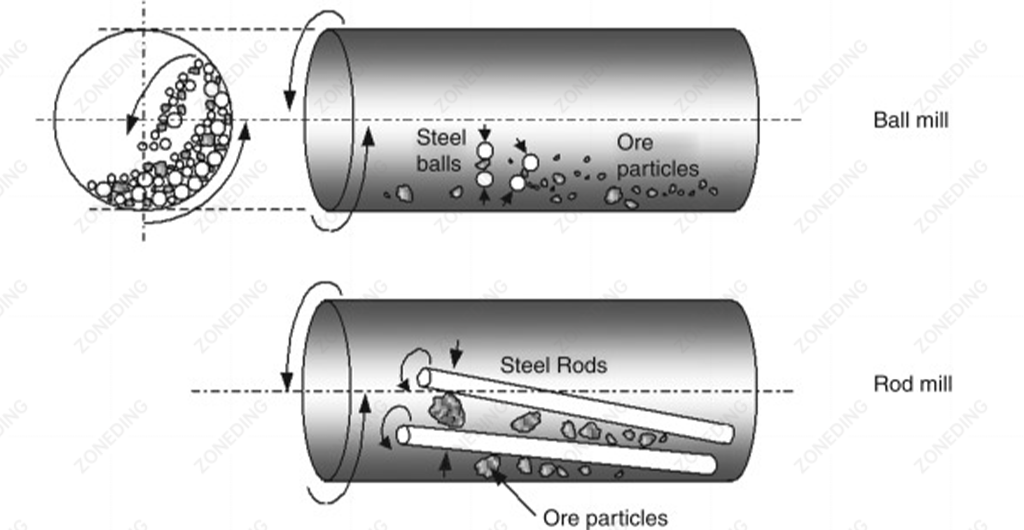
The grinding media, typically forged steel balls, represent the primary crushing force within the system. You need a specific mixture of large, medium, and small balls. Large balls possess the heavy mass required to smash coarse incoming rocks. Small balls provide the necessary surface area to polish and grind the material down to a fine powder. If the fill ratio is incorrect, efficiency drops dramatically. Usually, filling the cylinder to 40% or 45% of its total volume is considered optimal for maximum output.
ZONEDING calculates the exact trajectory of these falling balls to maximize their impact force against the ore. The company provides customized loading charts based on the specific mineral type. If the ball charge is too low, the production capacity plummets. If the ball charge is too high, the motor draws excessive current, leading to severe electrical faults and potential equipment damage.
The rotation speed must reach a specific “critical speed” to create a cascading effect. If the cylinder turns too fast or too slow, the rocks will not break properly. Speed control is essential for high performance.
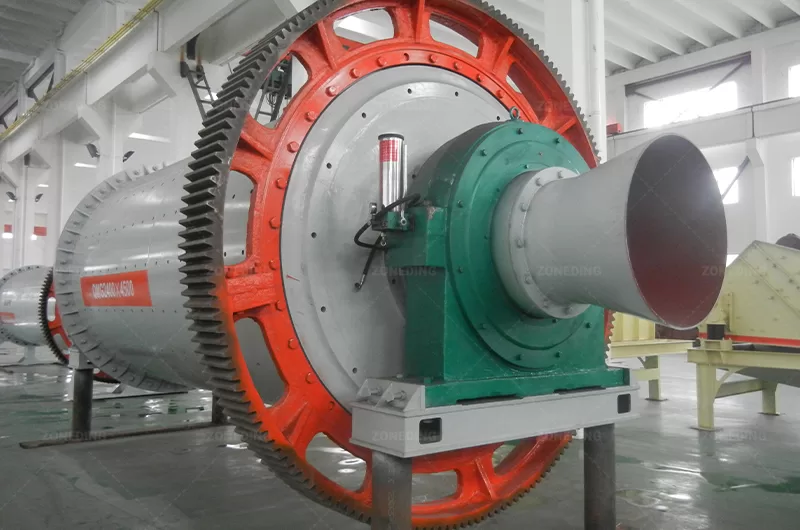
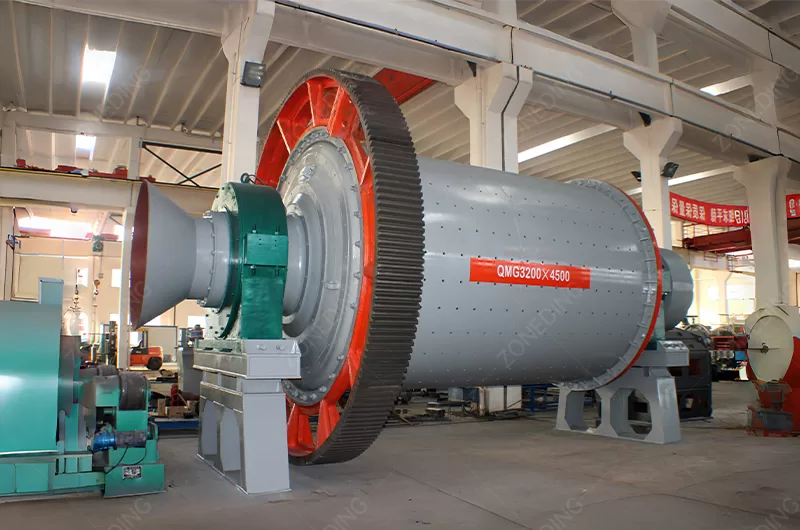
The rotation speed of the cylinder dictates the physical movement pattern of the steel balls inside. This concept relies on centrifugal force. If the machine turns too rapidly, centrifugal force pins the steel balls to the outer wall. They never fall, meaning absolutely no grinding occurs. If the machine turns too slowly, the balls merely slide along the bottom, creating friction but no impact. You need the steel balls to be carried up the side and fall like a waterfall. This cascading motion generates maximum kinetic energy and impact force.
ZONEDING utilizes advanced variable frequency drives to control this rotation speed with absolute precision. This technology allows operators to fine-tune the motor speed to perfectly match the current ore load and liner wear. By keeping the rotation within the optimal range of 75% to 80% of critical speed, the equipment consumes less power while delivering a significantly higher volume of finished product.
Pulp density is the exact ratio of solid ore to liquid water inside the chamber. This ratio controls the viscosity of the slurry. Incorrect water levels will either cushion the impacts or cause excessive metal wear.
Managing pulp density is a constant balancing act in wet grinding operations. If the mud is excessively thick, it acts like a thick shock absorber. The heavy steel balls strike the mud, but the kinetic energy dissipates before breaking the actual rock. Conversely, if the slurry contains too much water, the mixture becomes too thin. The steel balls bypass the ore and strike each other or the metal liners directly. This causes rapid, expensive wear on the internal components. A density level between 70% and 80% solids by weight is typically best for most metallic ores.
ZONEDING provides automated water control valves to maintain this critical density with high stability. By ensuring the slurry viscosity remains constant, the company ensures the steel balls coat the ore particles perfectly. This precise interaction leads to faster mineral liberation, reducing the time the material needs to spend inside the processing chamber.
The classification system separates fine powder from coarse particles and returns the coarse material for further grinding. A poorly functioning classifier causes over-grinding, which wastes massive amounts of electricity.
The grinding machine does not operate as an isolated unit; it works in a closed circuit with a classification device like a hydrocyclone or a spiral classifier. This classifier acts as a strict quality control gate. It allows the correctly sized fine powder to exit the system while forcing the coarse, oversized sand back into the mill. If this classifier is broken or poorly adjusted, fully ground powder is sent back into the milling chamber. This phenomenon is known as over-grinding. It wastes enormous amounts of energy and creates an ultra-fine slime that is difficult to process later.
ZONEDING ensures that the capacity of the chosen classifier perfectly matches the output volume of the mill. By optimizing the pump pressure and the apex size of the hydrocyclone, the company guarantees a sharp separation cut-point. This prevents unnecessary recirculation and frees up valuable space inside the cylinder for fresh, incoming raw ore.
Internal metal liners protect the outer shell and lift the steel balls during rotation. Worn-out liners cause the balls to slip, reducing impact force and dropping production output by up to 20%.
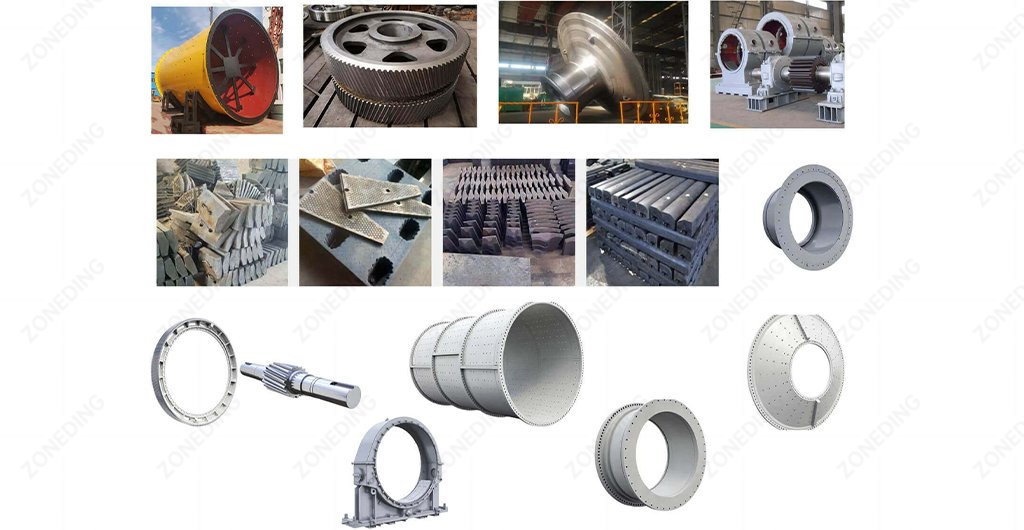
The internal surface of the cylinder is protected by heavy metal plates known as liners. These liners serve two vital functions. First, they protect the expensive structural shell from constant abrasion. Second, their specific wave profile lifts the steel balls as the cylinder rotates. When these liners inevitably wear down over time, their surface becomes completely flat. Flat liners lose their ability to grip and lift the heavy media charge. The steel balls simply slide across the bottom of the chamber instead of falling from a height. This sliding action drastically reduces the grinding machine working efficiency.
ZONEDING manufactures robust liners using high-manganese steel and specialized chrome alloys to extend their operational lifespan. The company designs the liner profiles specifically to maintain an optimal lifting angle even as the metal slowly wears away. Replacing worn liners promptly is one of the most effective methods to instantly restore a machine’s lost production capacity.
Selecting the right manufacturer for heavy mining equipment defines the success of your plant. Buying a generic machine based solely on price often leads to massive operational losses due to inefficiency and frequent breakdowns.
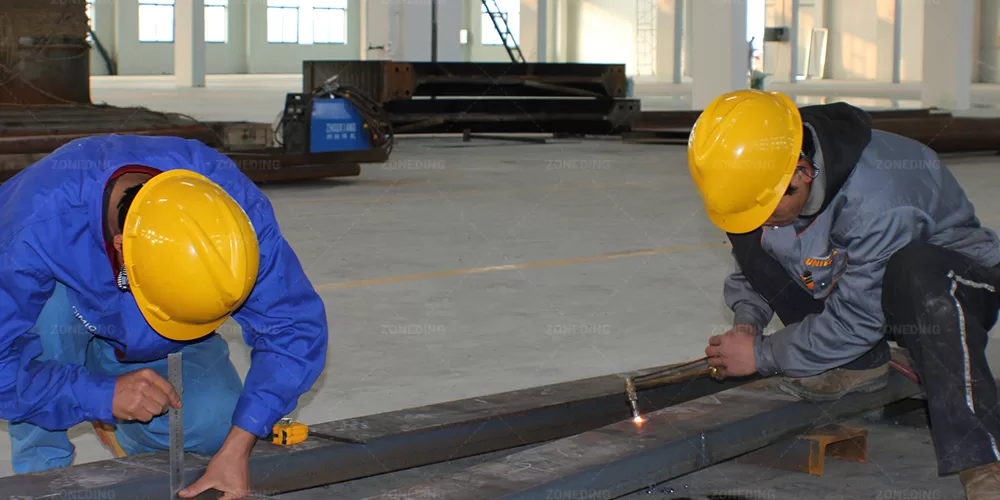
You must evaluate a supplier based on their engineering capability and manufacturing quality.
The mineral processing industry is rapidly adopting digital technologies. The focus for 2026 is achieving maximum output with the lowest possible carbon footprint.
Energy costs continue to rise globally. Mining companies are shifting away from inefficient, oversized equipment. The market now demands highly optimized, customized Mineral Processing Equipment that operates strictly within its peak efficiency zone. ZONEDING is responding to this demand by integrating smart variable frequency drives and automated classification controls into all new plant designs. This focus on intelligent automation allows operators to maximize output without increasing their total energy consumption.
Maximizing output requires strict control over the seven key factors affecting grinding machine performance. Always ensure the feed size is as small as possible by utilizing efficient primary crushing. Maintain the correct pulp density and steel ball ratio to ensure maximum impact force inside the chamber. Regularly inspect internal liners and adjust the classification system to prevent energy-wasting over-grinding.
Next Step: Conduct a complete audit of your current feed size and power consumption. For a guaranteed improvement in your production line, send an ore sample to ZONEDING. The engineering team will perform a detailed material analysis and provide a custom configuration plan to instantly boost your operating margins.
Last Updated: May 2026
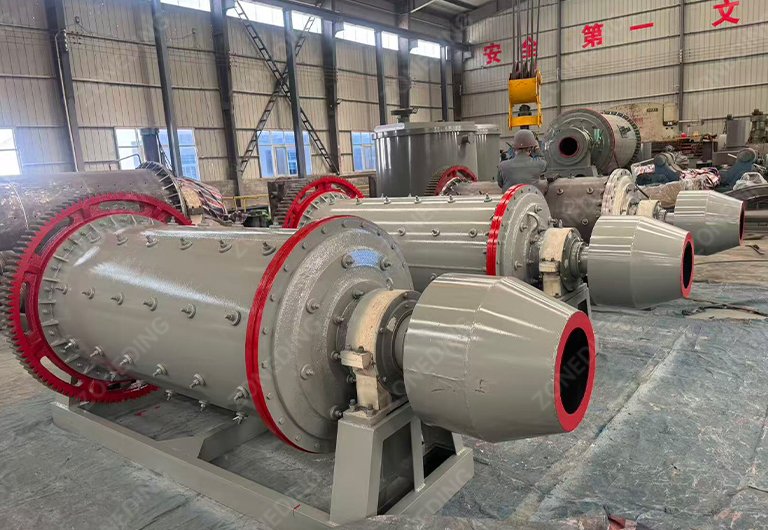
Master ball mill maintenance with our expert guide. Learn about daily inspections, lubrication system, and key strategies to prevent sudden mechanical failure.
View details
Explore the main types of vibrating screens. Learn how to choose the right screening equipment for mining & aggregate project. ZONEDING is your expert supplier.
View detailsFacing a choice between a ball mill and a rod mill? Feeling confused? It's very important to select the right grinding equipment. Ball mills and rod mills are both grinding equipment, but they differ in grinding media, mechanism, product size, and...
View details
This guide tells the step-by-step processes from ore mining to final purification for Nickel Extraction, to Learn how nickel is brought to market.
View details