 Zoneding Mining

Site Search
Search products, equipment and solution articles
整站搜索产品中心新闻中心
点击开始搜索
热门搜索
UltraForm-MXFlexiPoly-RNanoForm Z300EcoFab P200
Search products, equipment and solution articles
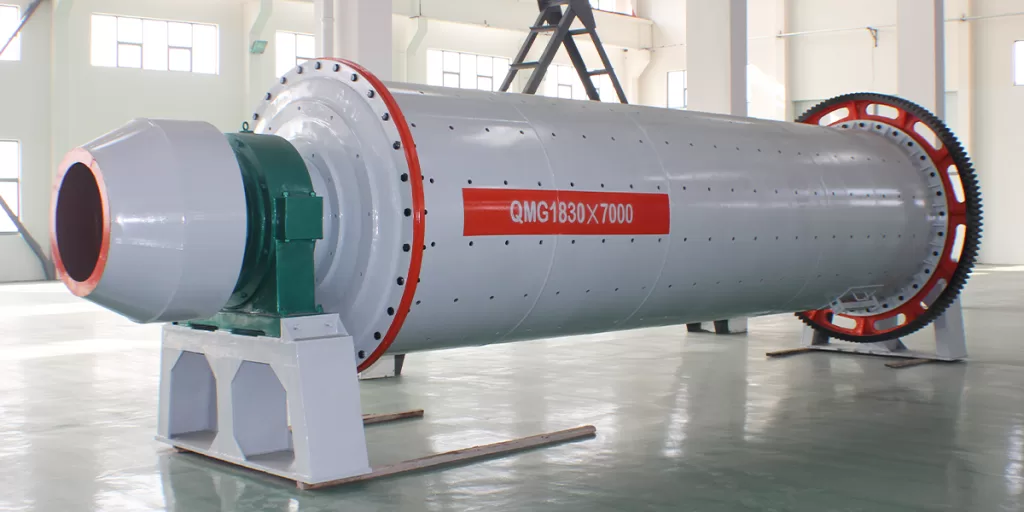
You want to extract more metal from your ore every day. You need your grinding circuit to produce finer powder at a faster rate. A ball mill is often the most expensive machine to operate in your processing plant. It consumes massive amounts of electricity and heavy steel grinding balls. We provide five technical tips to increase your grinding capacity and reduce your energy bills. You can apply these changes to your existing production line to see immediate results. You will improve your final product quality and protect your profit margins.
Last Updated: April 2026 | Estimated Reading Time: 25 Minutes
You must remember the golden rule of mineral processing: “Crushing is cheaper than grinding.” You spend much less money breaking a rock with a mechanical jaw crusher than smashing it with steel balls. A ball mill works at its best when the input rocks are very small and uniform. You should never feed rocks larger than 20 millimeters into your grinding cylinder. Large rocks take up too much space and take a long time to break. They reduce the total volume of fine powder the machine can produce in one hour.
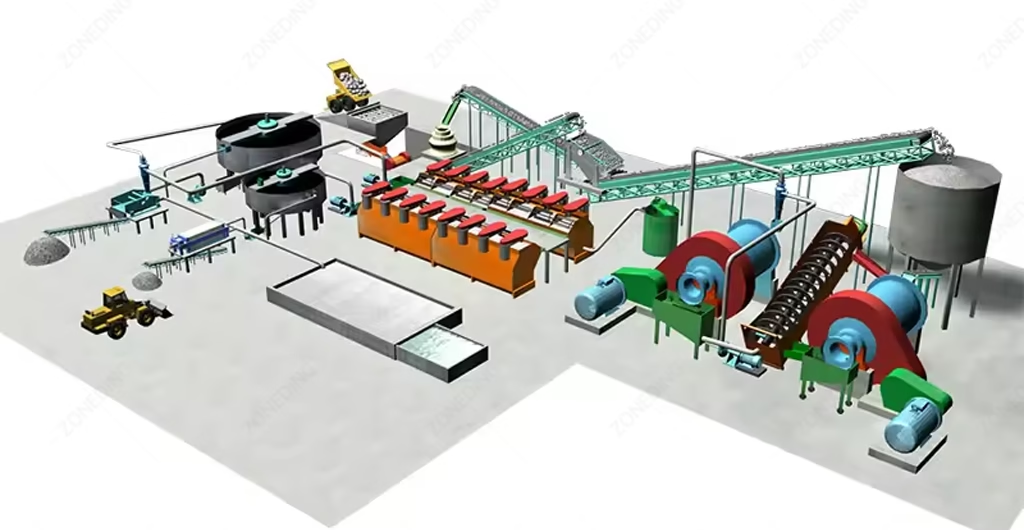
You should install a ZONEDING high-efficiency jaw crusher or a fine cone crusher before your ball mill. We design our crushing circuits to produce a consistent feed of 10 to 15 millimeters. This small size allows the steel balls inside the mill to focus on fine grinding rather than primary breaking. You will see your hourly output increase by twenty percent just by reducing the rock size. Your steel balls will last longer because they do not have to smash giant boulders. Your electric motor will pull less current because the load is more stable. We at ZONEDING help you balance your entire production line for maximum flow. You achieve a higher total recovery of gold or copper because the grinding is more effective.
You must maintain a steady speed when feeding the mill. A sudden surge of rock will overfill the machine and cause a “belly” jam. An empty mill will cause the steel balls to smash against the liners and cause damage.
| Feed Characteristic | Ideal Status | Practical Benefit for You |
|---|---|---|
| Particle Size | Under 15mm | Increases grinding speed by 25% |
| Moisture Content | Below 5% (for dry mills) | Prevents mud sticking to liners |
| Feeding Speed | Constant Ton/Hour | Keeps motor load stable |
You need more than just a pile of steel balls inside your mill. The size of these balls determines what happens inside the rotating drum. Large steel balls have the weight to break coarse rocks. Small steel balls have more surface area to grind fine sand into powder. You must maintain a precise ratio of different ball sizes to achieve the best results. A common mistake is only adding large balls when the levels get low. This creates a mill full of gaps where small sand particles can hide without being ground.
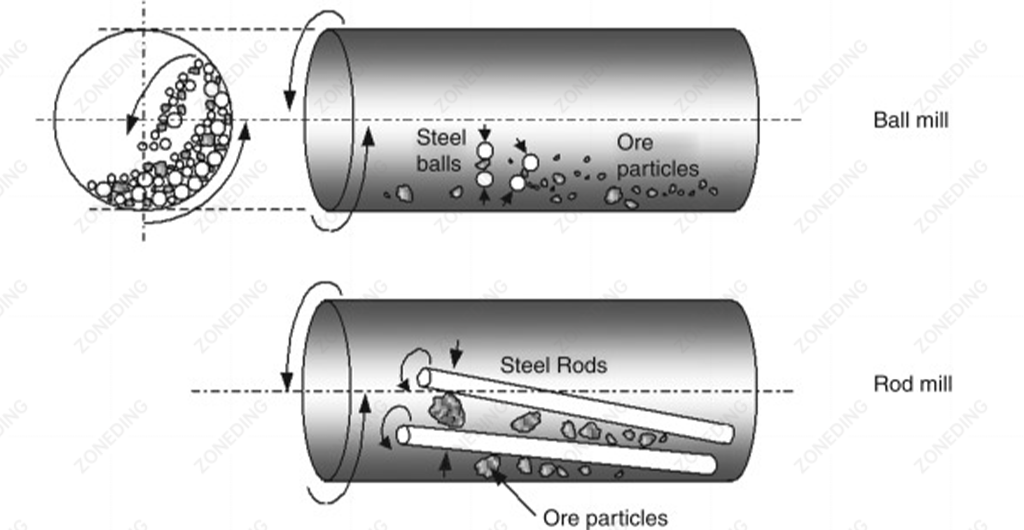
You should aim for a balanced mixture of 100mm, 80mm, and 60mm balls. We recommend a ratio of roughly 40% large, 30% medium, and 30% small balls for most hard rock mines. You must add fresh balls every day to replace the steel that wears away. You should perform a “ball dump” once every six months to remove broken or tiny scrap metal.
ZONEDING engineers calculate the exact media charge for your specific rock hardness. We suggest the correct weight of balls based on your motor kilowatts. You ensure that the steel balls are actually hitting the ore and not just each other. This direct contact maximizes your grinding efficiency and lowers your cost per ton.
You must manage the water flow if you operate a wet grinding system. The mixture of water and ground rock is called slurry. The density of this slurry affects how the steel balls move. If the slurry is too thin like water, the balls will hit the liners and cause heavy wear. If the slurry is too thick like paste, the balls will float and not grind anything. You want the slurry to be like a thick soup that coats the steel balls and liners. This coating allows the balls to grip the rock particles for better grinding action.
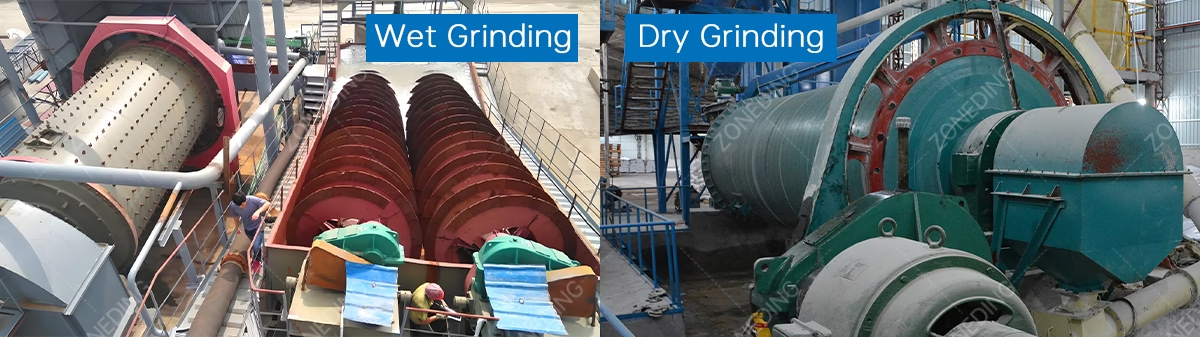
You should maintain a slurry density between 65 percent and 80 percent solids for most gold ores. You must use a flow meter to track the water entering the mill. You should also check the discharge mud at the end of the machine. We at ZONEDING provide automatic water control valves with our premium grinding systems. Our technicians teach your operators how to test density using a simple bucket and scale. You prevent the “over-grinding” of fine particles which wastes energy. You also prevent coarse rocks from escaping the mill too early. Proper water balance keeps your production line running smooth and protects your machine parts.
The inside of your ball mill is lined with heavy metal or rubber plates. These liners do not just protect the outer shell. They have a specific shape to lift the steel balls as the mill rotates. If your liners are flat, the balls will just slide along the bottom without grinding. You need “wave” or “step” liners to catch the balls and drop them onto the ore. The height and angle of these waves determine the “impact zone” inside the mill. A high lift is good for breaking big rocks. A low lift is better for fine grinding.
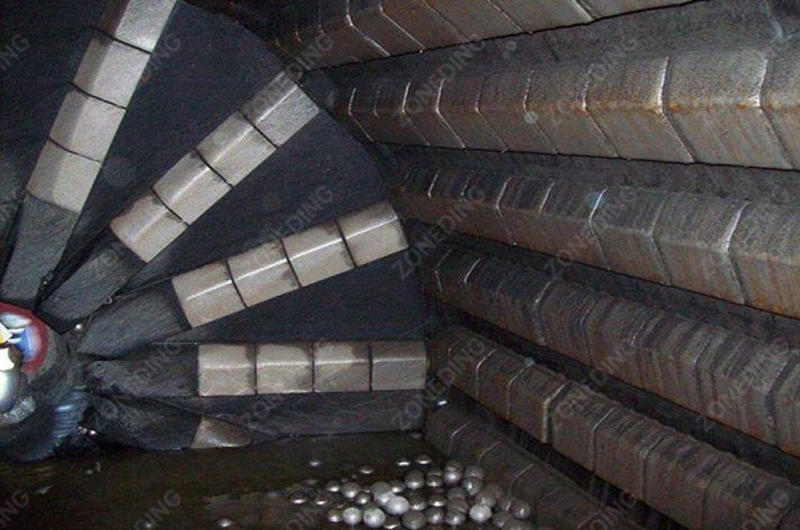
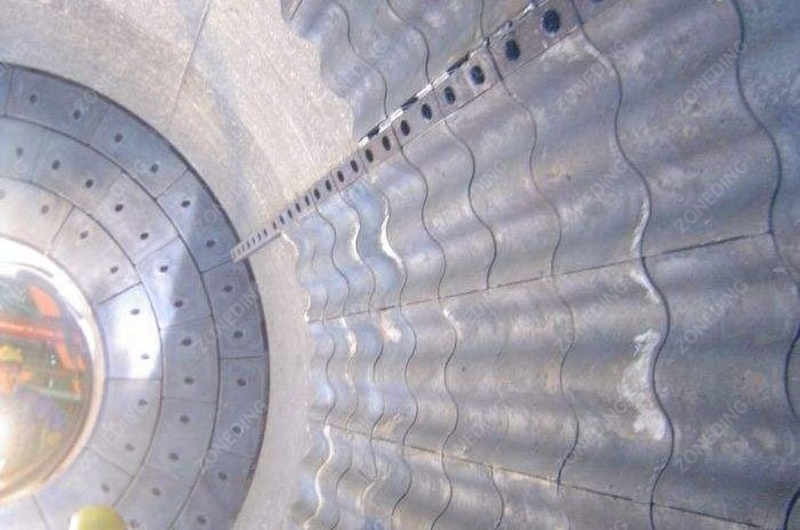
You should inspect your liners for wear every month. liners lose their shape as they get thin. A worn-out liner will reduce your grinding efficiency by fifteen percent or more. We at ZONEDING manufacture custom liners using high-chrome steel or durable rubber. We match the liner profile to your specific rotation speed and ore type. Our rubber liners are much lighter and easier to replace than steel. They also reduce the noise level in your factory to protect your workers. You get more grinding action for every rotation of the mill. You prolong the life of your machine shell and reduce your total maintenance time.
The speed at which your mill rotates is critical for performance. Every mill has a “critical speed” where centrifugal force sticks the balls to the wall. You never want to reach this speed because the balls will not fall down. Most efficient mills run at 70 percent to 80 percent of their critical speed. At this speed, the balls climb halfway up the side and then cascade down like a waterfall. This cascading motion creates the most impact and friction to grind the rock.
You should consider installing a Variable Frequency Drive (VFD) on your mill motor. A VFD allows you to change the rotation speed based on the rock conditions. Harder rocks might need a slightly faster speed for more impact. Soft rocks might need a slower speed to save electricity.
ZONEDING provides modern electric control cabinets for all our ball mill models. We help you find the “sweet spot” where your mill produces the most fine powder for the least energy. You gain total control over your production process. You can move the mill speed up or down to match your daily production targets.
You must choose a partner who understands the science of grinding. You should avoid trading companies who only sell machines from a catalog. You need to work with a manufacturer like ZONEDING who has a real factory and deep engineering experience. Grinding is about more than just a rotating drum. It is about the balance of speed, media, and liners. A good supplier will ask for your ore samples and rock hardness data. They will offer a solution that fits your specific mine site and power grid.
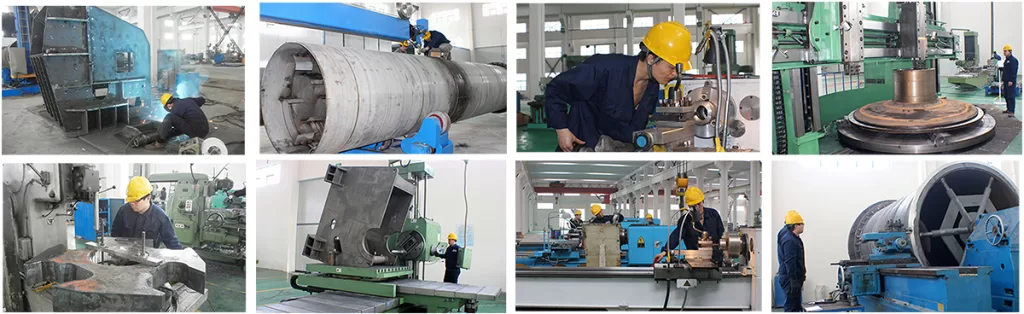
You should also look at the weight of the machine. Cheap manufacturers use thin steel to save money. A ball mill experiences massive stress and will crack if the metal is too thin. ZONEDING mills use thick steel plates and high-quality bearings from famous brands. We operate an 8000-square-meter factory to ensure every part is made correctly. We provide full-service support including installation and training. You get a reliable machine that will run for twenty years. You save money in the long term by investing in quality equipment today.
The mineral processing industry is moving toward “Smart Grinding” in 2025. You can now use digital sensors to monitor the performance of your ball mill. These sensors measure the sound of the balls hitting the liners and the vibration of the bearings. A computer analyzes this data to tell you if the mill is overfilled or underfilled. Automated systems can even adjust the water flow and feed speed in real-time.
We at ZONEDING stay at the edge of these technology changes. We offer control systems that you can monitor from your mobile phone. You can see your hourly tonnage and motor load even when you are not at the mine. These tools help you run a more professional and profitable business. You reduce the risk of human error and keep your plant running at maximum efficiency.
You improve your ball mill output by focusing on the small details. You must reduce the feed size to under 15mm using a ZONEDING crusher. You should balance your steel ball sizes to match your ore. You need to keep your slurry density at a thick soup-like consistency. You should check your liners and rotation speed every month. These steps ensure that your ball mill operates at its highest possible efficiency.
You should start by measuring your current output and motor current. You can then make one change at a time to see the results. We recommend starting with a better crushing stage to save the most money. Contact ZONEDING today for a free evaluation of your grinding circuit. We provide the machines and the engineering expertise to grow your mining business.
Last Updated: April 2026
Looking for silver recovery solutions? We detail the 3 most common silver extraction process methods: Gravity Separation,Flotation, and Cyanidation Leaching.
View details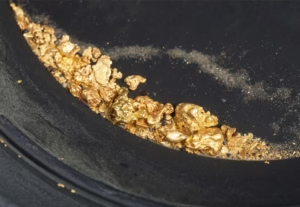
Discover 7 practical and effective methods to enhance gold recovery from ore, tailings, or waste materials, minimizing loss and maximizing yield.
View details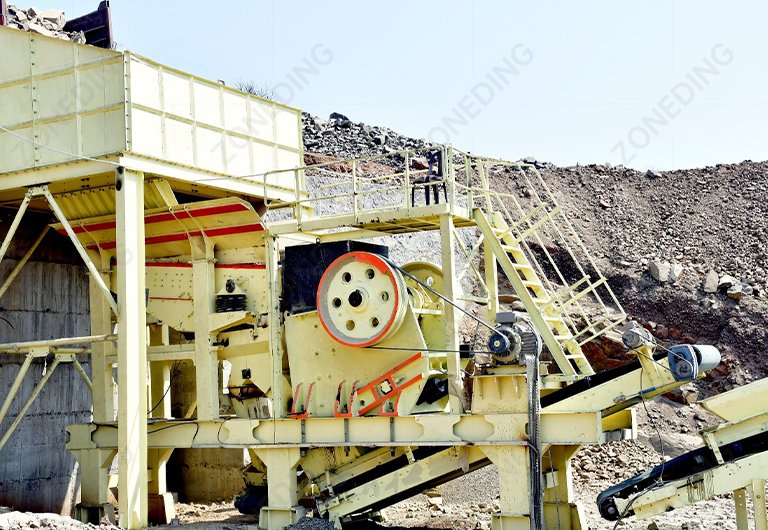
Looking for the best rock crusher for gold? Our guide compares Jaw, Cone, and Hammer Mill crushers to maximize your gold recovery from hard rock.
View details
Crushing aggregate? This blog tells 5 essential cone crusher types you need to know for efficient and profitable aggregate production. Learn from the experts!
View details