 Zoneding Mining

Site Search
Search products, equipment and solution articles
整站搜索产品中心新闻中心
点击开始搜索
热门搜索
UltraForm-MXFlexiPoly-RNanoForm Z300EcoFab P200
Search products, equipment and solution articles
If you are reading this, you are likely standing at a pivotal moment for your business. You have the raw mineral resource—whether it is limestone, calcite, gypsum, or barite—and you see the market potential. But to unlock that profit, you need to turn raw rock into fine powder. This requires a Raymond Mill.
Purchasing a grinding mill is not like buying a consumable product; it is a major capital investment that will dictate your operational costs for the next ten years. A wrong choice here, based solely on a low initial price tag, can bleed your company dry through high energy bills, constant downtime, and inconsistent product quality.
One of the most confusing aspects for buyers is the price variance. You might send out three inquiries and get three wildly different quotes: $25,000, $45,000, and $70,000. All for a machine that claims to do the same job. Why is this?
The price of a Raymond Mill is never arbitrary. It is a calculated sum of Raw Materials, Technology, and Scope of Supply. Understanding these three will help you see the “invisible” costs.
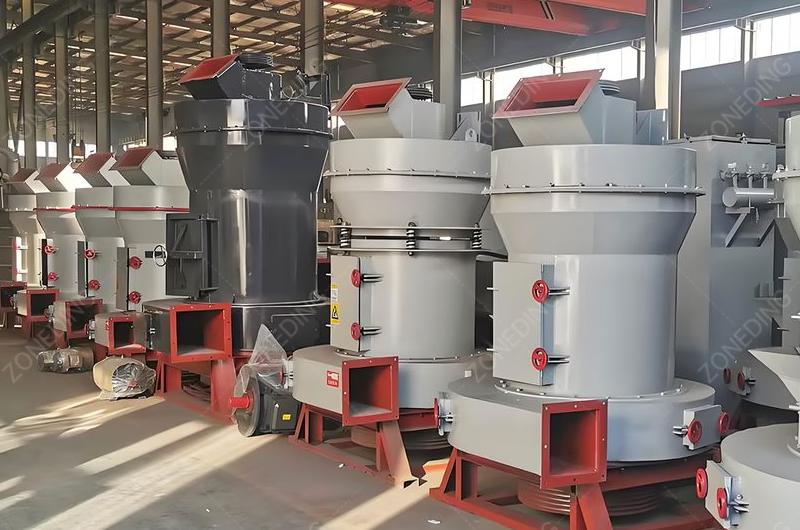
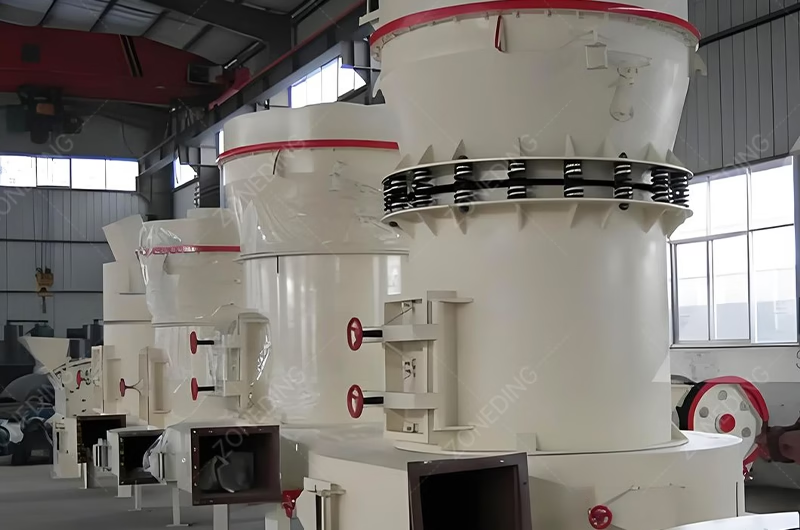
A Raymond mill is a machine designed to destroy itself. It works by grinding heavy rollers against a ring under immense pressure.
The mill is powered by a high-voltage motor and controlled by an electrical cabinet.
This is the most common trick in the industry.
Never compare the bottom-line number. Compare the Bill of Materials (BOM). ZONEDING always provides a complete packing list so you know exactly what you are getting.
Salespeople typically ask, “What tonnage do you want?” While important, this is not enough. To get the right machine, you need to be an educated buyer regarding specifications.
This is the single most important variable. “Mesh” refers to the number of holes per linear inch of a screen.
Raymond mills use air to transport powder. If your raw material is wet, the powder sticks.
The hardness determines which mill model you need.
In the digital world, every website looks professional. You might be talking to a large factory with 500 workers, or a single person in an apartment brokering deals. For heavy machinery, this distinction is life or death for your project.
Trading companies are great for buying t-shirts, but terrible for machinery.
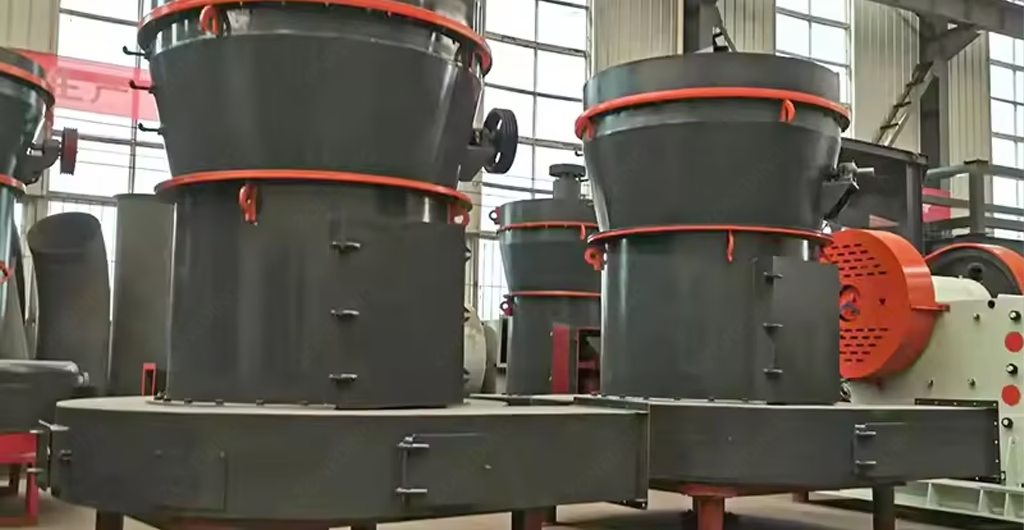
We are the manufacturer. When you buy from ZONEDING:
Smart investors look at Total Cost of Ownership (TCO), not just Purchase Price. Let’s calculate the ROI using a simplified model.
Over 5 years, the electricity bill will exceed the cost of the machine.
We have helped many customers who came to us after having a bad experience with other suppliers. Here are the most common pitfalls.
A customer wants 10 tons per hour. The dishonest supplier sells them a mill that can theoretically do 10 tons, but only under perfect lab conditions (softest rock, perfectly dry). In reality, it does 6 tons.
Solution: Always oversize your requirement by 20%. If you need 8 tons, ask for a machine rated for 10-12 tons. This gives you a safety buffer for wet days or harder rocks.
Many countries now strictly enforce air pollution laws. Standard Raymond mills leak dust if not sealed properly.
Solution: Do not rely on old-fashioned “Open Cyclone” systems if your factory is near a residential area. Invest in a Pulse Bag Dust Collector. It creates negative pressure, sucking all dust into filter bags. It keeps your factory clean and the environmental inspectors happy.
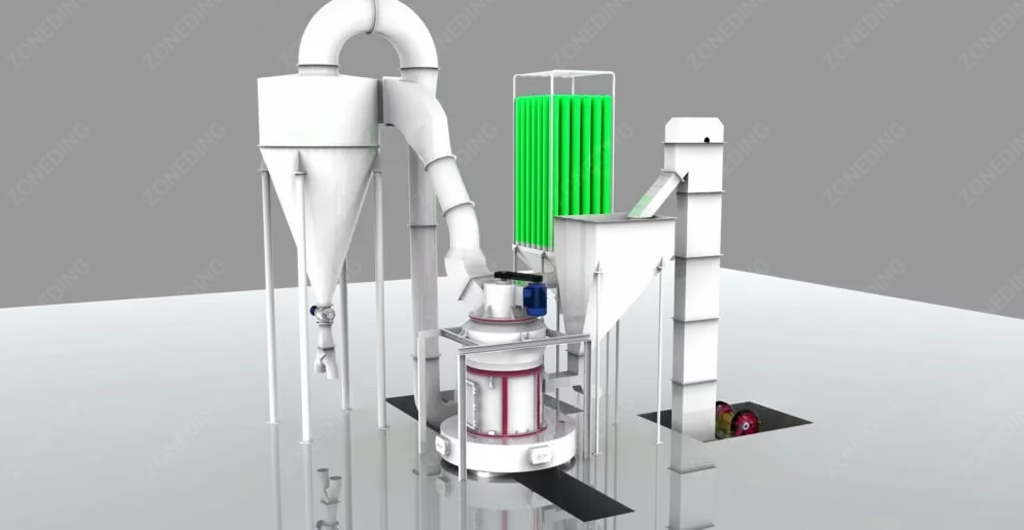
A mill is useless without a good Crusher and Elevator.
We understand you have many options. Here is why mining companies in 120 countries choose ZONEDING.
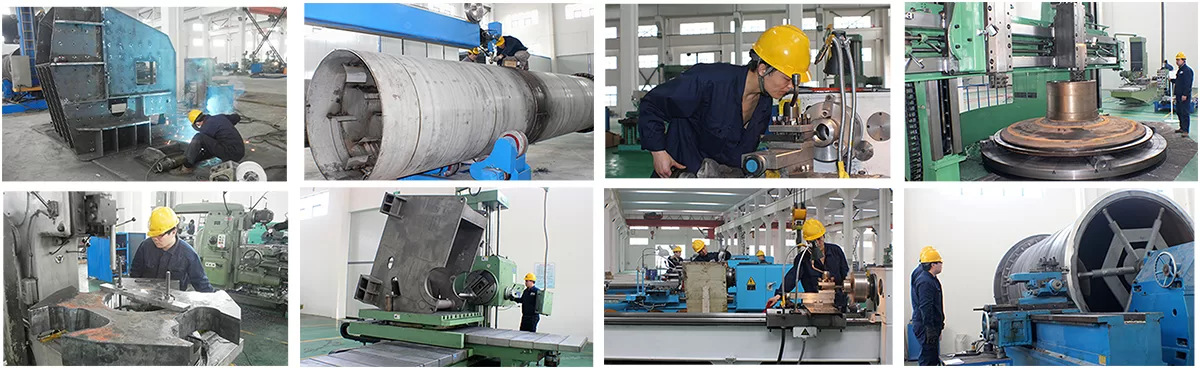
Our factory covers 8,000 square meters. We are not a small workshop. We possess:
We have a team of 15 specialized engineers. We don’t just send you a PDF catalog.
Shipping a 20-ton machine requires skill. We know how to disassemble the mill to maximize container space (saving you ocean freight cost) while ensuring delicate parts like the electrical motor are protected from salt water corrosion.
Buying a Raymond Mill is a journey of balancing Performance, Service, and Cost.
If you buy the cheapest machine, you are not saving money; you are buying a future liability. You are buying unreliability. You are buying lost production days.
If you choose ZONEDING, you are investing in a verified system. You are getting a machine built with premium steel, powered by Tier-1 electronics, and backed by a factory that has been doing this for two decades. We focus on your cost per ton of production, not just the price of the iron.
Contact ZONEDING today to get a free flow chart design and a precise quotation.
Last Updated: January 2026
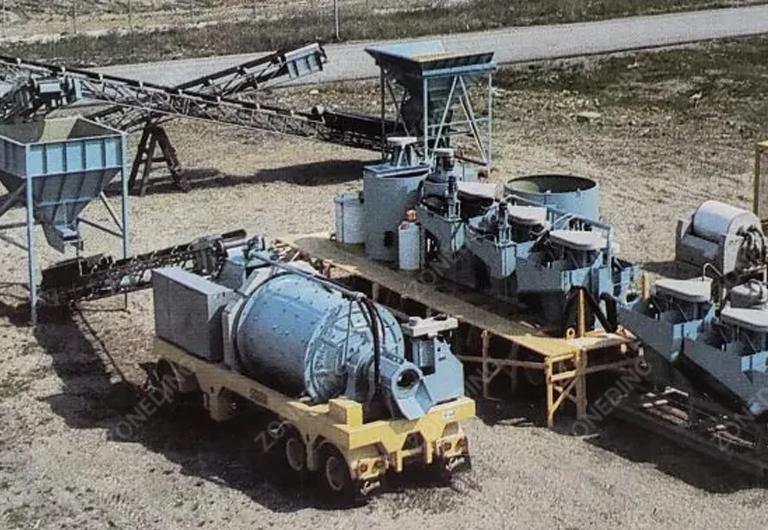
New to modular mining? Learn exactly what a gold modular processing plant is, how it works, and why it's the fastest way to start gold production.
View details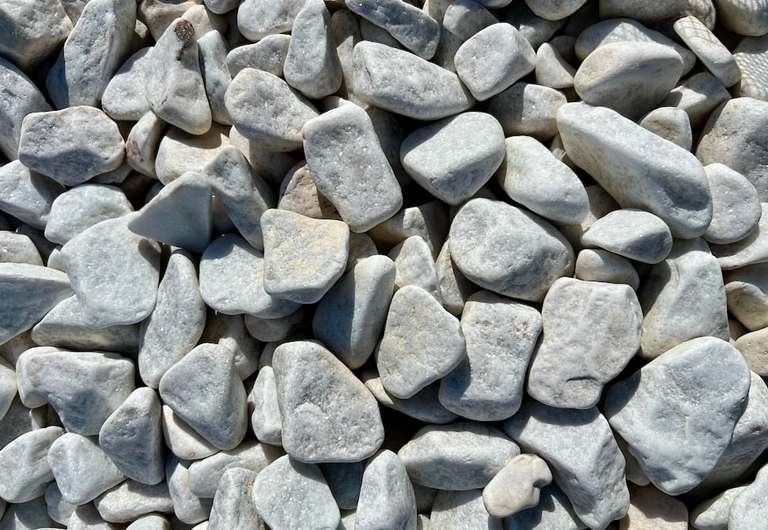
Wondering what marble rock is? Learn about this stunning metamorphic stone's formation, followed by 5 amazing facts about marble rock that will surprise you.
View details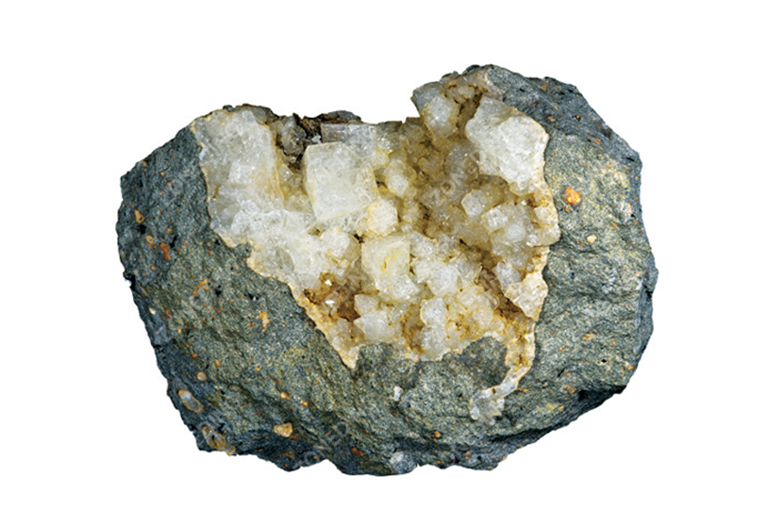
Discover how to process zeolite. Learn about cleaning, crushing, and the activation methods that make zeolite work for filtration and adsorption.
View details
This blog ranks top 10 global rock crusher manufacturers on performance, durability, and after-sales support. Compare leaders like Metso, Sandvik, and more.
View details