 Zoneding Mining

Site Search
Search products, equipment and solution articles
整站搜索产品中心新闻中心
点击开始搜索
热门搜索
UltraForm-MXFlexiPoly-RNanoForm Z300EcoFab P200
Search products, equipment and solution articles
Achieving high-purity wolframite concentrate requires a precise combination of gravity and magnetic separation methods. Wolframite is a heavy mineral with weak magnetic properties. These characteristics are the primary keys to a successful Mineral Processing Plant design. The process transforms raw tungsten ore into a final concentrate grade of 65% WO3. This specific purity level is necessary for international smelting standards. High-grade tungsten concentrate production depends on careful crushing and controlled grinding to protect the brittle mineral crystals.
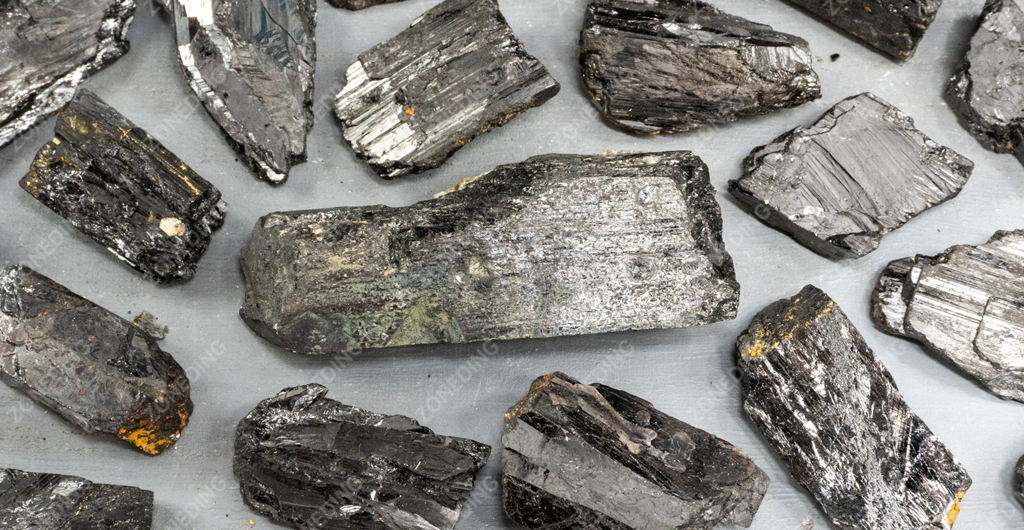
ZONEDING MACHINE provides the specialized equipment needed to recover wolframite effectively. Many tungsten ores contain complex impurities like tin or arsenic. Modern flowsheet designs from ZONEDING focus on multi-stage separation to remove these contaminants. From the primary Jaw Crusher to the high-intensity magnetic separator, every machine is optimized for maximum recovery. This comprehensive guide details the best practices for wolframite recovery and the industrial methods used in 2025 to dominate the tungsten market.
Last Updated: March 2026 | Estimated Reading Time: 25 Minutes
Wolframite is the most significant ore mineral for the metal tungsten. It has a chemical formula of (Fe,Mn)WO4 and exists as a solid solution between iron-rich ferberite and manganese-rich hubnerite. The mineral is typically black or dark brown with a sub-metallic luster. It is found in quartz veins and granite-related deposits across the globe. Because it is highly resistant to weathering, it also appears in alluvial sands. A professional Mineral Processing Plant must be designed to handle the high density of this mineral.
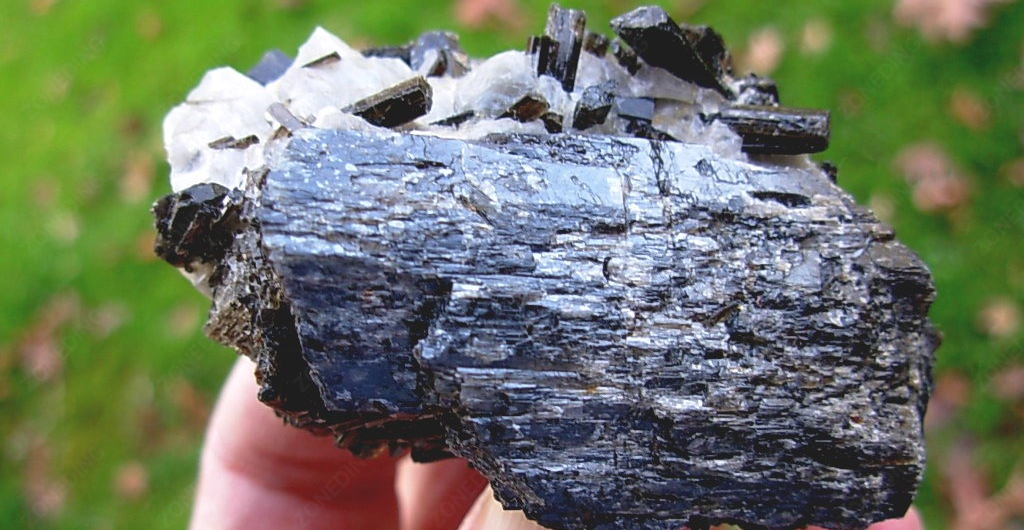
The specific gravity of wolframite ranges from 7.1 to 7.5. This makes it significantly heavier than standard waste rocks like quartz. This density difference allows gravity separation to act as the primary beneficiation method. However, wolframite is also brittle. It breaks easily into fine dust during the crushing process. ZONEDING engineers always emphasize the use of a staged crushing circuit to prevent the loss of fine tungsten particles. If protected correctly, the large crystals are easy to recover through traditional physical methods.
Most wolframite deposits are associated with igneous activity. They often occur in “vein-type” deposits where hot, mineral-rich fluids filled cracks in the earth’s crust. These veins can be several meters wide or just a few centimeters. China, Russia, and Southeast Asia hold the largest reserves of this mineral. ZONEDING provides custom plant designs for these diverse geological settings. Whether the ore is in a hard rock vein or a loose riverbed, the recovery method must match the source material to be successful.
The iron and manganese content determines the specific magnetic susceptibility of the wolframite. Ferberite is slightly more magnetic than hubnerite. This chemical detail is vital for the setup of a Magnetic Separator. Before building a plant, a chemical assay is conducted to find the exact Fe:Mn ratio. This ensures the magnetic equipment is tuned to the specific ore variety found at the mine site.
| Property | Value | Why It Matters for Processing |
|---|---|---|
| Specific Gravity | 7.1 – 7.5 | Allows for gravity table recovery |
| Mohs Hardness | 4.0 – 4.5 | Moderate; indicates a brittle nature |
| Crushing Bond Index | ~12.5 | Influences the power of the jaw crusher |
| Melting Point | >1,000°C | Requires heat for chemical refining |
The most important use of wolframite is the production of tungsten carbide. This material is nearly as hard as diamond. It is used to manufacture cutting tools, drill bits, and wear-resistant machinery parts. Heavy industries like mining and construction depend on these carbide tools every day. The demand for tungsten is growing in 2025 due to its role in high-tech manufacturing. A ZONEDING Ball Mill is often used to grind wolframite concentrate into the fine powder required for carbide production.
Tungsten is also essential for the aerospace and defense sectors. It has the highest melting point of any metal at 3,422°C. This makes it the only choice for rocket engine nozzles and high-temperature furnace components. Because of its density, it is also used in radiation shielding and kinetic energy penetrators. These critical applications require ultra-pure tungsten. A ZONEDING processing line delivers the consistent quality needed by these highly regulated industries.
In the electronics world, tungsten is used for thin-film transistors and high-power heat sinks. It helps manage the heat generated by modern computer processors. It is also a key component in superalloys for renewable energy wind turbines. As the world moves toward green energy, the demand for wolframite concentrate continues to rise. ZONEDING equipment allows miners to supply this growing market with high-purity material that meets the 65% WO3 standard.
Many countries consider tungsten a “strategic mineral” due to its military applications. Governments often keep stockpiles of wolframite concentrate to ensure industrial security. This creates a stable and high-value market for tungsten miners. Investors prefer wolframite mines because the product is easy to sell globally. A ZONEDING Mineral Processing Plant is a secure investment for anyone looking to enter the strategic metals sector.
Wolframite serves as a raw material for various tungsten chemicals. These chemicals act as catalysts in the petroleum industry to clean fuel. They are also used in ceramic glazes and specialized pigments. These niche markets require very specific mineral grades. By using a ZONEDING Magnetic Separator, producers can remove almost all iron and manganese to create premium chemical-grade products.
Wolframite is valuable because of its high tungsten content and its unique physical properties. Unlike many other ores, wolframite can be concentrated using low-cost physical methods. The high density of wolframite allows it to be separated from waste rock using only water and gravity. Additionally, its weak magnetic properties allow for ultra-clean separation from non-magnetic minerals like tin. This means a producer can achieve high purity without spending large amounts of money on expensive chemical reagents. Physical separation is the most profitable path for tungsten mining in 2025.
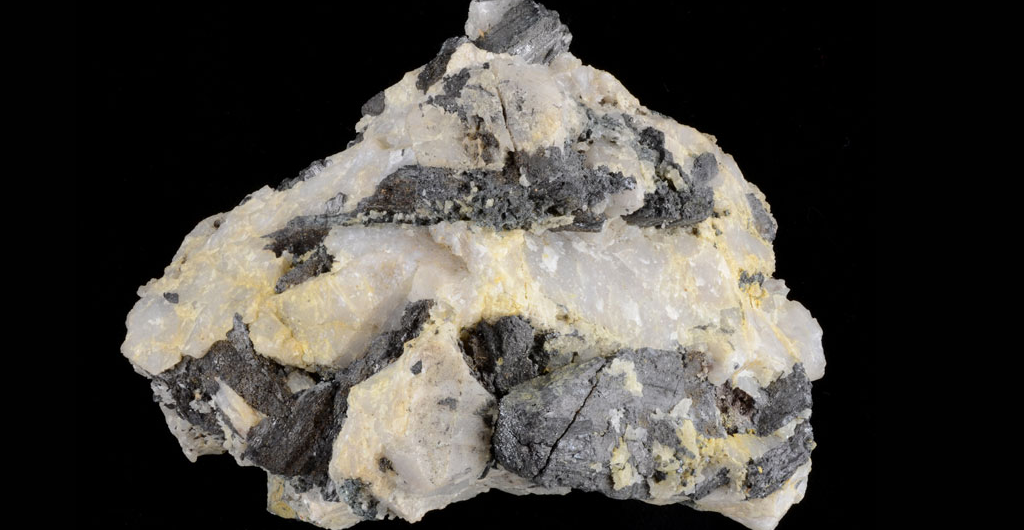
The brittle nature of the mineral is a key property that dictates plant design. If the ore is crushed too aggressively, the wolframite turns into “slimes.” These slimes are very difficult to capture on gravity tables. ZONEDING uses a primary Jaw Crusher with a specifically tuned gap to minimize the creation of these fines. By protecting the crystal size early in the process, the overall recovery rate of the plant can be improved by up to 15%. This focus on physical properties makes wolframite the preferred ore for many industrial mining companies.
Industrial shaking tables for tungsten recovery are the workhorses of the plant. Because wolframite is three times heavier than quartz, the separation is very sharp. On the surface of the shaking table, the black wolframite forms a distinct “heart” of concentrate. This visual feedback allows operators to adjust the water flow and tilt of the table for the best results. ZONEDING tables are engineered to maintain a steady vibration that keeps this separation consistent 24 hours a day.
Wolframite contains iron and manganese, giving it a paramagnetic response. This is a massive advantage over scheelite, which is the other common tungsten ore. A high-intensity Magnetic Separator can pick up wolframite and leave behind non-magnetic waste. This is the most effective way to reach the 65% WO3 purity level. It is especially useful for removing garnet or tourmaline, which are too heavy to be removed by gravity alone.
Liberation is the process of breaking the bond between the wolframite and the host quartz. Because wolframite is brittle, it liberates at a relatively coarse size. This is a major benefit for the miner. Coarse mineral grains are easier and cheaper to recover than fine grains. ZONEDING designs use a “stage-grind-stage-separate” approach. This means the minerals are recovered as soon as they are liberated. This prevents them from being over-ground in the Ball Mill.
The wolframite recovery flowsheet is a systematic reduction of size and increase of grade. The process begins with three-stage crushing and screening to reach an optimal feed size. This is followed by grinding in a Ball Mill to liberate the crystals. The primary separation uses jigs and shaking tables. The process finishes with a dry magnetic separator to reach high-purity standards. This integrated flowsheet is the industry standard for high-grade tungsten concentrate production in modern mines.
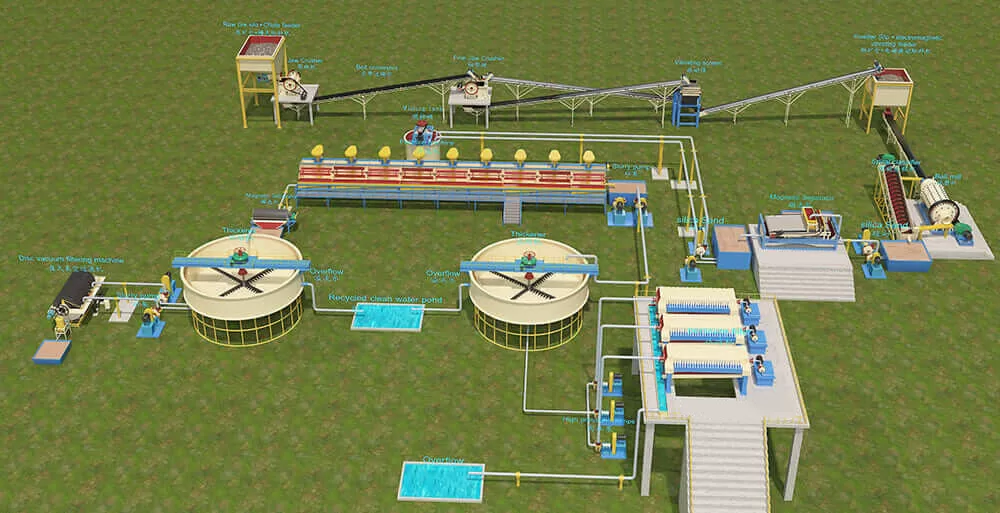
Each stage of the ZONEDING flowsheet has a specific goal:
Grinding is the most energy-intensive part of the plant. To save costs, ZONEDING uses “closed-circuit” grinding. This means the material that is already fine enough is removed immediately. Only the coarse material stays in the mill. This protects the brittle wolframite from being crushed into useless dust. This logic ensures that the Ball Mill operates at peak efficiency while maximizing the recovery of coarse, high-value tungsten crystals.
The final stage of the flowsheet is a dry high-intensity magnetic separator. After gravity separation, the concentrate is dried in a ZONEDING rotary dryer. The dry powder then passes under a magnetic disc. This disc pulls the wolframite away from the non-magnetic quartz and tin. This dry method is chosen because it produces the cleanest possible separation. It allows the plant to produce a consistent 65% WO3 concentrate that is ready for direct sale to international smelters.
A tungsten processing facility uses a significant amount of water. In 2025, environmental regulations require these plants to recycle as much water as possible. ZONEDING includes thickeners and settling ponds in every design. These systems capture the water from the shaking tables and return it to the start of the process. This reduces the plant’s environmental footprint and ensures it can operate in dry regions with limited water resources.
| Stage | Equipment | Density | Magnetism |
|---|---|---|---|
| Primary Separation | Vibrating Jigs | Very High (7.3) | N/A |
| Fine Recovery | Shaking Tables | High (7.0) | N/A |
| Iron Cleaning | Low-Intensity Magnetic | N/A | High |
| Wolframite Finishing | High-Intensity Magnetic | N/A | Weak |
The separation of wolframite and cassiterite is a classic problem because both minerals are very heavy. On a shaking table, they both land in the same area. The only way to separate wolframite from cassiterite is through magnetic separation. Wolframite is weakly magnetic, while cassiterite is non-magnetic. A high-intensity magnetic separator pulls the wolframite into a separate bin. This process is essential for miners who have deposits containing both metals. Without this separation, the concentrate has lower value and higher smelting fees.
ZONEDING provides specialized disc magnetic separators for this exact purpose. The material must be dry for the best results. The machine uses three different magnetic discs. The first disc uses low power to remove iron. The second and third discs use high power to pick up the wolframite. The cassiterite stays on the belt and is collected at the end. This “Separation of wolframite and cassiterite” is a standard feature in ZONEDING Mineral Processing Plant designs.
By separating the two minerals, a mine can double its revenue. Tin is a valuable metal on its own. If it is sold mixed with tungsten, the smelter will pay very little for the tin. If they are separated, the miner gets the full price for the tungsten and the full price for the tin. This is the most profitable strategy for complex ores. ZONEDING’s magnetic technology ensures that the tungsten concentrate contains less than 1% tin, satisfying the most demanding industrial buyers.
Sometimes the wolframite and tin are “locked” together in a single grain. In this case, the magnetic separator might pull the tin along with the wolframite. To solve this, the mixed material is sent back to a secondary ZONEDING Ball Mill for regrinding. After regrinding to a finer size, the minerals are free from each other. A second pass through the magnetic separator then achieves the 98% separation efficiency required for top-tier product quality.
Flotation is not the first choice for wolframite, but it is necessary for fine particles. When wolframite particles are smaller than 0.074mm, they are too light for gravity tables. A ZONEDING Flotation Machine uses chemicals like petroleum sulfonates to float these fine grains. This process is often called “slime flotation.” It is an essential addition for large mining plants that want to push their recovery rate toward 90%. Without a flotation circuit, these fine particles are washed away as waste.
A flotation circuit is also used to remove sulfide minerals like pyrite or arsenopyrite. These sulfur minerals are heavy and often contaminate the tungsten concentrate. To prevent this, a ZONEDING Flotation Machine acts as a “cleaning” stage before the gravity tables. It pulls out the sulfur, leaving behind a clean tungsten pulp. This ensure that the final product reaches the 65% WO3
Successful tungsten flotation depends on the pH of the water. Typically, the pulp must be slightly acidic or basic depending on the specific collector being used. ZONEDING flotation systems include automated dosing pumps. These pumps ensure the chemical balance is always correct. This automation reduces human error and keeps the flotation circuit running at peak performance. It is a vital upgrade for any modern wolframite mine in 2025.
Chemical flotation requires careful handling of wastewater. ZONEDING designs include water treatment systems that neutralize chemicals before the water is reused. This prevents environmental damage and ensures the plant meets local mining regulations. While flotation is more complex than gravity, the increase in recovery often pays for the extra equipment within the first year of operation. It is a necessary tool for “Ultra-Fine Wolframite Slimes” recovery.
Consistently reaching a 65% WO3 grade requires multi-stage cleaning. It is impossible to reach this purity in a single pass through a shaking table. High-grade tungsten concentrate production involves a “roughing” stage to capture the bulk of the mineral and several “cleaning” stages to remove waste. Finally, a magnetic separator provides the final purification. This systematic approach ensures that even the smallest traces of quartz and iron are removed from the final product.
The consistency of the feed is the most important factor. If the feed rate to the shaking tables changes constantly, the grade will fluctuate. ZONEDING uses vibrating feeders and hopper systems to maintain a perfectly steady flow. Additionally, the sizing of the particles must be uniform. Using a ZONEDING Spiral Classifier after the mill ensures that only the right-sized particles move to the separation stage. Uniform size equals uniform grade.
ZONEDING offers a one-stop solution for the entire tungsten processing flowsheet. Every piece of equipment is manufactured in a specialized 8,000 square meter facility. The company provides primary Jaw Crushers, high-efficiency Ball Mills, Industrial Shaking Tables, and High-Intensity Magnetic Separators. These machines are built with high-quality steel and wear-resistant liners. This ensures a long service life in the harsh environment of a wolframite mine. Selecting a single supplier for all equipment ensures that every machine is perfectly compatible with the next.
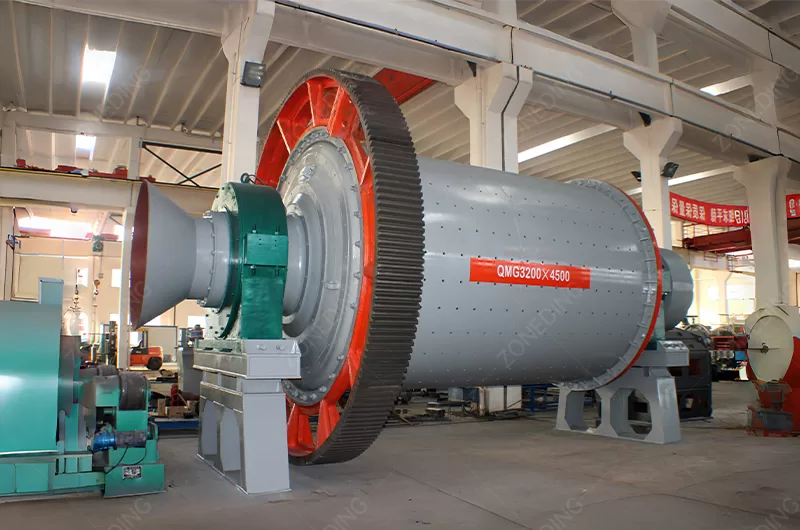
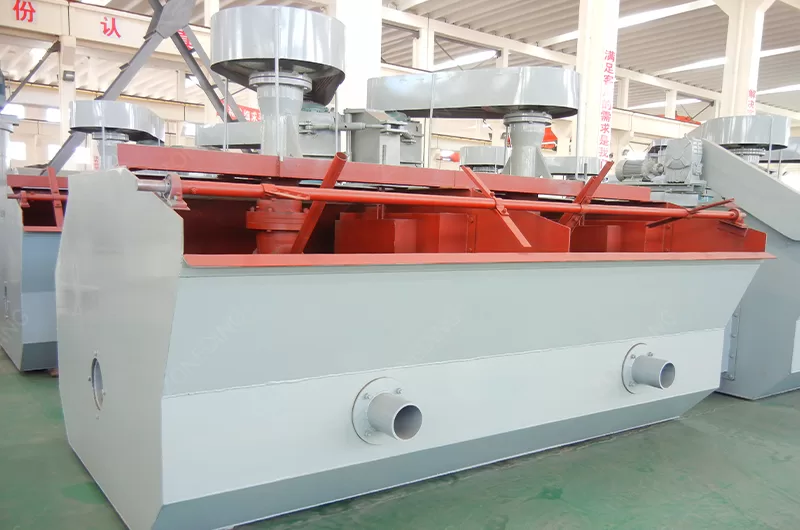
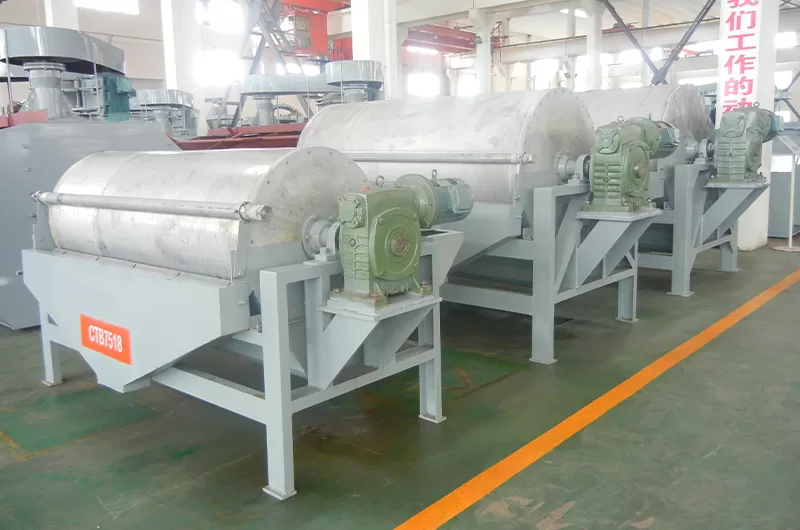
Automation is a key feature of the 2025 ZONEDING product line. Modern control panels allow operators to monitor the power consumption of the Ball Mill and the water flow of the shaking tables. This digital control helps maintain a steady 65% WO3 grade throughout the day. By reducing manual labor, the plant becomes more profitable and safer for the workers. ZONEDING’s focus on technology makes it a world leader in tungsten processing equipment.
Ore testing is the most important step before any machinery is purchased. Every wolframite deposit has a different “DNA.” Professional ore testing determines the liberation size, the density characteristics, and the magnetic susceptibility of the mineral. This data is used to customize the ZONEDING Mineral Processing Plant design. Without this test, the plant might be designed for the wrong size, leading to massive losses of tungsten in the waste tailings.
ZONEDING offers professional laboratory testing for all clients. A 50kg sample of the ore is crushed and separated in a lab environment. This shows the engineers exactly how many shaking tables and magnetic separators are needed. It also helps determine the correct chemical recipe for the Flotation Machine. Investing in a professional test prevents expensive mistakes and ensures the plant is profitable from the first day of operation.
Many existing wolframite mines use outdated technology from the 1990s. These plants often lose 30% to 40% of their tungsten. ZONEDING specializes in the optimization of old processing lines. By replacing inefficient mills and adding modern magnetic separators, a mine can often double its monthly production without increasing its mining costs. A site audit by ZONEDING engineers can find the “bottlenecks” that are slowing down production and wasting valuable minerals.
Common optimization steps include:
Tungsten is a high-value metal. A single ton of 65% concentrate is worth tens of thousands of dollars. Because of the high product value, the return on investment (ROI) for a wolframite plant is very fast. Most ZONEDING clients achieve a full payback on their equipment within 12 to 24 months. Compared to gold or copper mining, tungsten requires less capital to start and offers a much faster path to profit. This makes it an attractive choice for mid-sized mining companies and local aggregate producers looking to diversify.
Low operating costs also help speed up the ROI. Gravity separation uses very little electricity and no expensive chemicals. Only the Ball Mill and the crushers consume significant power. By choosing ZONEDING’s energy-efficient motors, miners can keep their monthly bills low. The combination of a high-value product and low running costs ensures that the business stays profitable even when tungsten prices fluctuate on the global market.
| Expense Type | Cost Level | ROI Impact |
|---|---|---|
| Machinery (CAPEX) | Moderate | Factory direct prices reduce this cost |
| Electricity (OPEX) | Low | Gravity separation is very efficient |
| Maintenance | Moderate | Durable ZONEDING liners reduce downtime |
| Labor | Low | Automation reduces the need for workers |
Processing wolframite to high purity is a balance of gentle crushing and precise separation.
Last Updated: May 2025
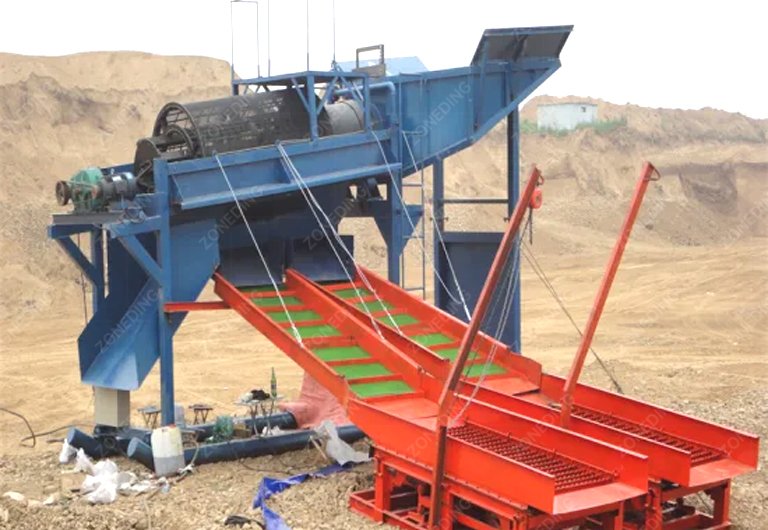
Start your gold prospecting journey here. Discover what a sluice box is, its key components, and step-by-step how it recovers gold using water flow and riffles.
View details
Explore 7 key distinctions between cone crushers and hammer crushers: work principles, material suitability, product shape, applications, wear parts, and price.
View details
Understand froth flotation (foam flotation) in mineral processing. Explore its core principles, key steps, and how it separates valuable minerals from ore.
View details
Learn 5 common methods, processes & work principles of mineral ore dressing. From crushing to separating, discover key tips for efficient mineral separation.
View details